

Antarctica is a harsh continent, which in both history and fiction can trigger disturbing behavior and even madness.
Environment + Energy – Articles, Analysis, Opinion
Displaying 451 - 475 of 3160 articles

Changes made to comply with executive orders could interfere with the mission of a program that has historically helped some of the people who most need a hand.
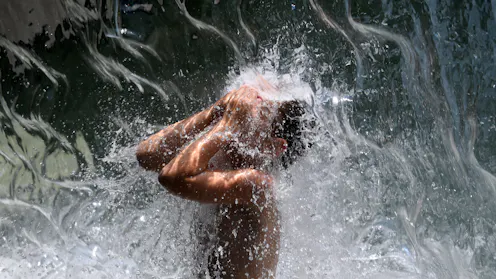
A public health researcher explains the signs someone is developing heat exhaustion or heat stroke, and what to do.

Conservationists have to search rough terrain and thousands of automated photographs to find the elusive cats. Artificial intelligence can help them work more accurately and more efficiently.
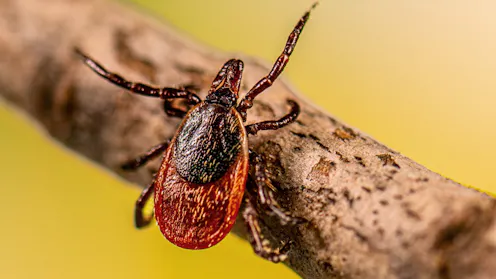
Changes to forests, and how close people and their livestock live to them, have changed tick habitats and the risks humans face of Lyme disease and other illnesses.

They look like devils and hence are called pez diablo in Spanish, but these demonic objects are dried and mutilated versions of living rays known as guitarfish.
The small blue Energy Star label has become one of the most recognizable environmental certifications in the US.

Rather than feeling guilty about cooling down in extreme heat, homeowners could boost power reliability and lay a welcome mat for more renewables.
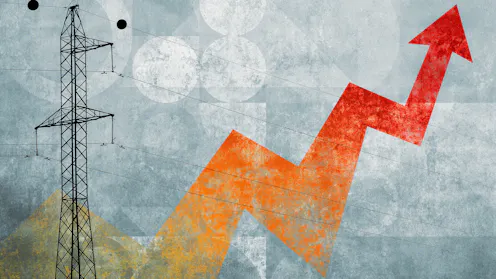
Some technologies could rapidly cut emissions, while others do little to fight climate change. The House bill favors the latter while nixing support for the former.

Not everything dies in a mass extinction. Sea life recovered in different and surprising ways after the asteroid strike 66 million years ago. Ancient fossils recorded it all.

As baby corals float in the currents, they can expand their species’ range. But can they get to climate refuges fast enough to survive? A new study has good news and bad.

A legal scholar with a Ph.D. in wildlife genetics explains the promise biotechnology techniques hold for some animals that are currently endangered.
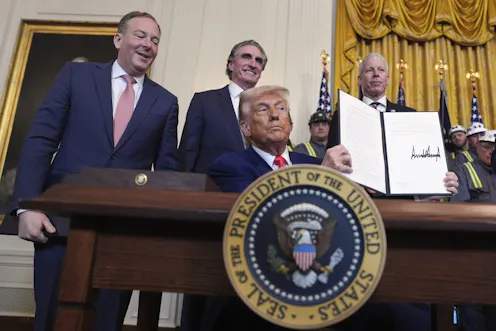
The first Trump administration also used words like ‘transparency,’ ‘reproducibility’ and ‘uncertainty’ − to try to block regulators from using important health studies when writing pollution rules.
If state regulators allow utilities to follow the standard approach of splitting the costs of new infrastructure among all consumers, the public will end up paying for data centers’ power.
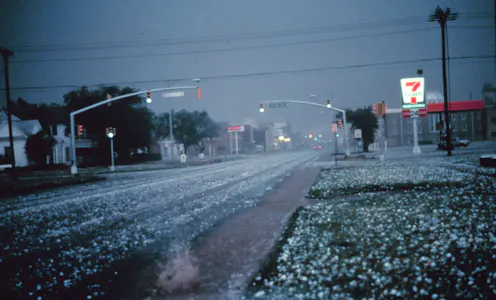
Forecasters already patch together very rough estimates, and ending NOAA’s ‘billion-dollar disasters’ list means less access to insurance data. Texas’ state climatologists explain why that matters.
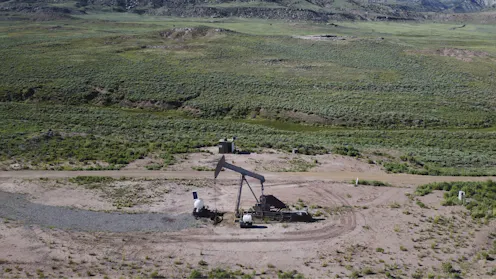
For lawyers, industry, advocates and the courts, environmental review after the Eagle County decision is not just a new ballgame. It is a new sport.
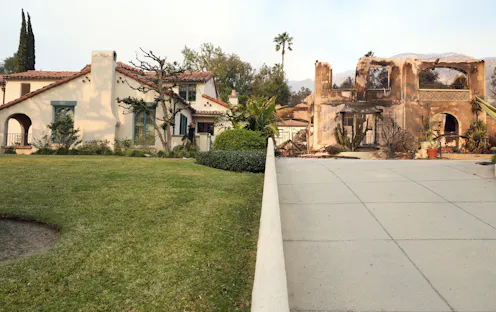
Hedges and trees may actually reduce home exposure to radiant heat and flying embers, but they must be well maintained. Two scientists who study how plants burn explain.
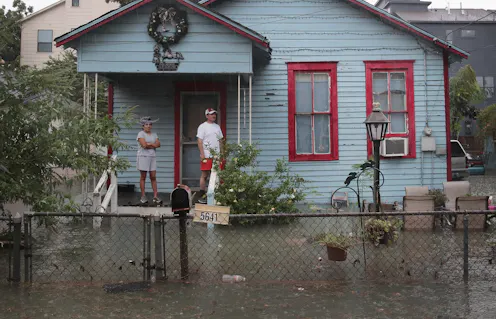
Low-income neighborhoods have the hardest time recovering from disasters without help. FEMA used to require cities to pay attention to them, but that’s changing.

Solar energy can help grasslands weather droughts in the semi-arid American West.
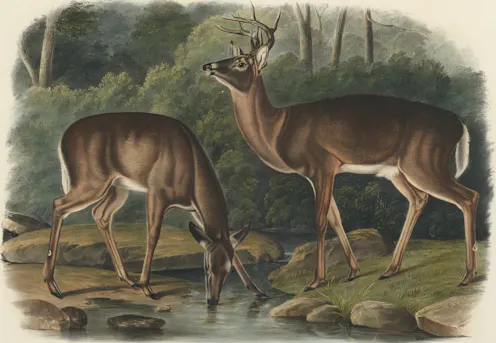
A new archaeological study finds early evidence of white-tailed deer declines in the 17th century, likely driven by the commodification of deerskins under colonial capitalism.
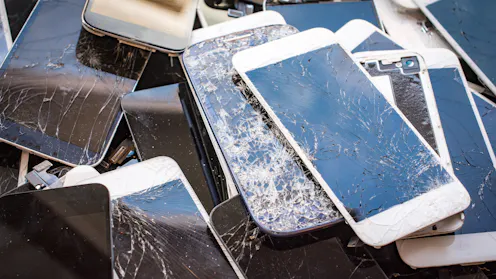
Inside every smartphone and laptop are tiny specks of valuable materials, many of which are still lost even when you take your old electronics to a recycling center.

Electricity rates are soaring in Pennsylvania and other parts of the country. 2 energy experts offer tips to lower your monthly bill.
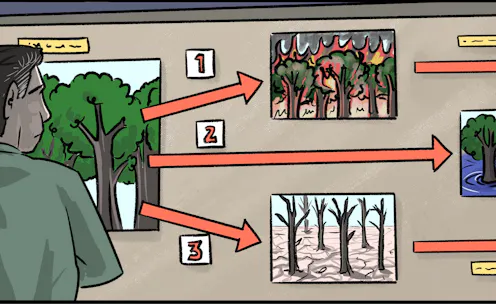
Park and forest managers can’t rely on the past any longer to understand future risks. Fires, pests and climate change are changing the game.
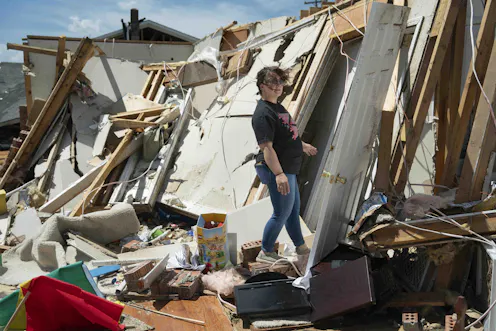
A storm scientist explains what’s been driving deadly tornado outbreaks and how tornado season has been changing.
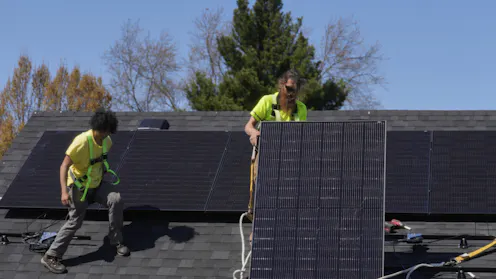
US manufacturers do not produce enough solar panels to meet the nation’s demand, but industry investments and federal tax incentives have been making progress.