
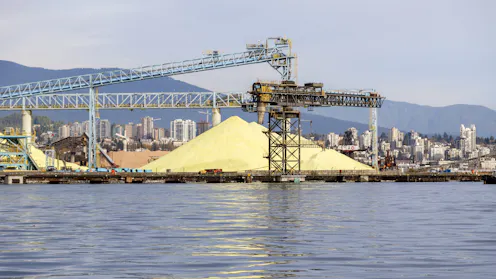
Battery researchers are seeking options with better performance, improved environmental sustainability and lower cost than lithium-ion batteries.
Environment + Energy – Articles, Analysis, Opinion
Displaying 326 - 350 of 3160 articles
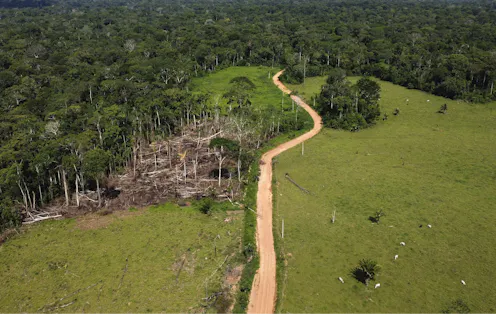
The Tropical Forest Forever Facility is designed to reward countries for preventing deforestation. Charts show the magnitude of the problem.
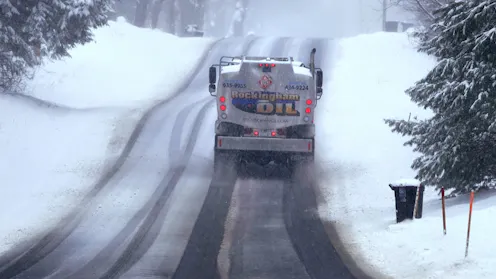
Nearly a quarter of US households struggle to pay their energy bills at the same time as America’s social safety nets, including home heat aid, are disappearing.
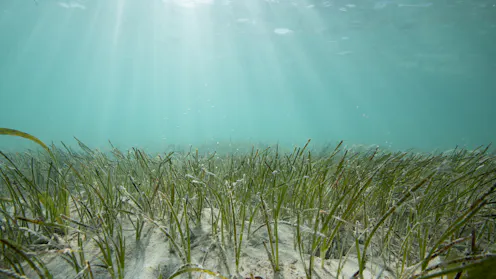
Scientists are using mollusk shells to evaluate the health of Florida’s seagrass ecosystems.
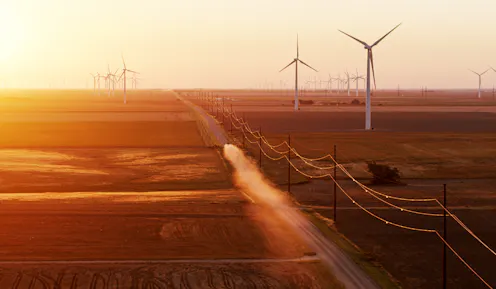
A fast drop in coal use played a big role, but there was more, as these charts show.
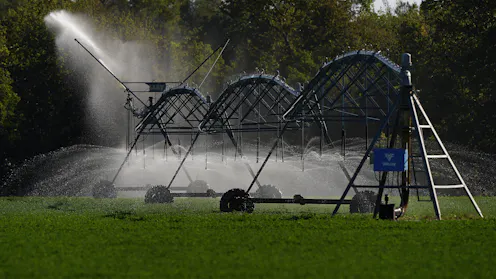
Consumer choices about what to eat and how much of it can affect how much water farmers need to use.
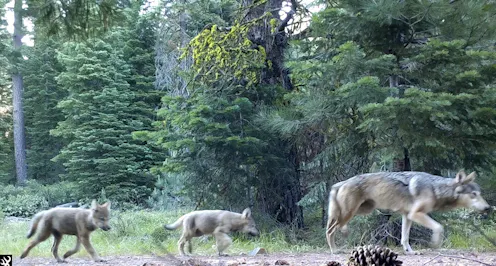
Current laws that deem species safe from extinction ignore their ecological role, geographic range and genetic diversity, as well as their relationships with people.
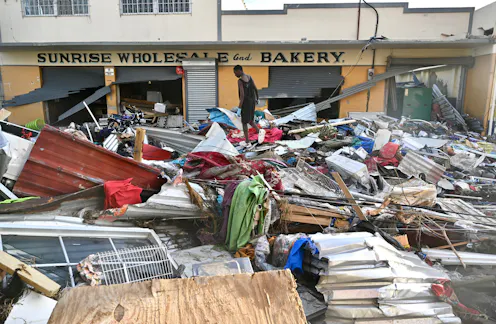
Disaster recovery is much harder on isolated islands, and people may migrate away if it’s too slow. Support from Jamaicans in the US, UK and Canada to rebuild for a better future can help.
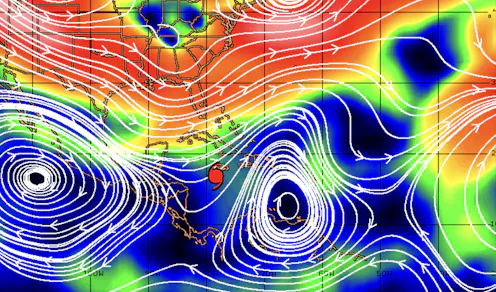
Tropical storms are guided by many different wind patterns: big, like the Bermuda high, and small. A hurricane researcher explains their role in why so many storms veered off into the Atlantic in 2025.
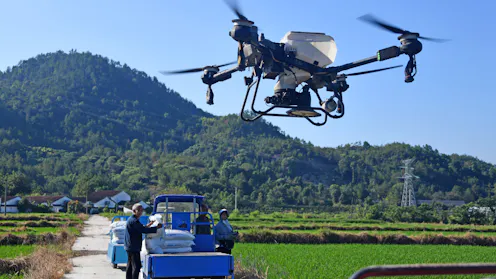
Just a few years ago, agricultural drones were expensive, small and difficult to use, limiting their appeal to farmers. No longer.
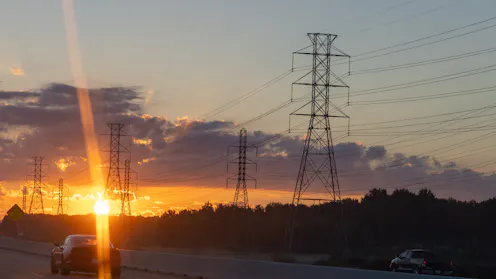
Many of the canceled grants were investments in the science and infrastructure necessary to keep the lights on in coming years, especially when the grid is under stress.

While the rest of nature rises and slumbers to lunar and solar cycles, humans work and sleep to the resetting of their artificial clocks.

The crucial reef-building corals were decimated by a marine heat wave in the Florida Keys. Can advances in restoration help them recover?
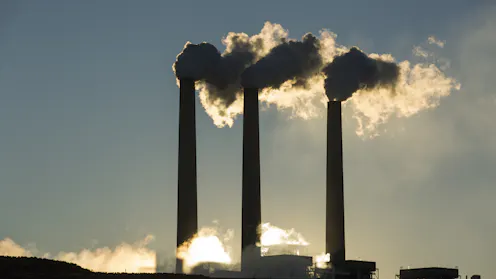
As soon as the 2018-2019 shutdown began, coal-fired power plants started emitting more particulate matter pollution. And when the inspections resumed, the levels dropped back to normal.
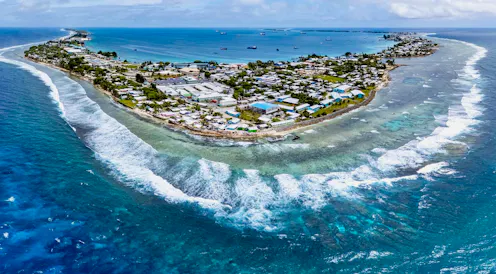
A review of countries’ new climate pledges shows who is leading efforts to protect the climate their economies were built on and who is sliding.

The situation had to get pretty bad before people really forced the government to act. But the effort was ultimately successful.
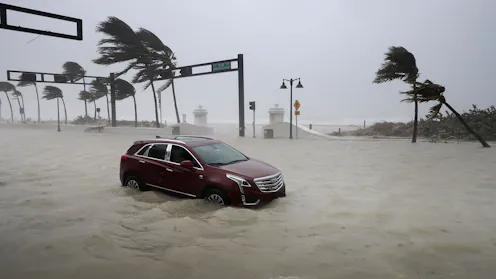
Storm surge is the No. 1 cause of deaths and damage during a hurricane, yet detailed storm surge forecasts are difficult to create. AI could turn that around.
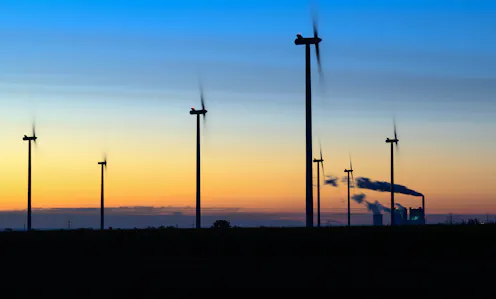
The International Energy Agency expects global renewable energy capacity to double by 2030, even with lower growth in the US, but fossil fuels still dominate.
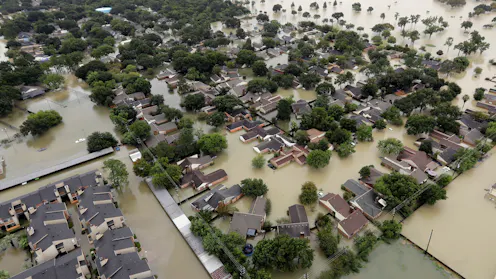
In general, people are moving to safer homes after disasters, but the vast majority are selling, meaning someone else is now taking on that risk. Buyout programs can help.

The Erie Canal solidified New York’s reputation as the Empire State, but it also opened up an expressway for invasive species to reach the Great Lakes.
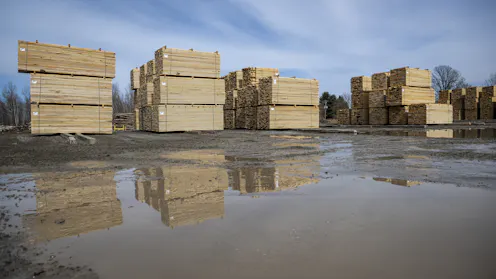
The US has ample forest resources, but replacing imports with domestic lumber isn’t as simple as it sounds.
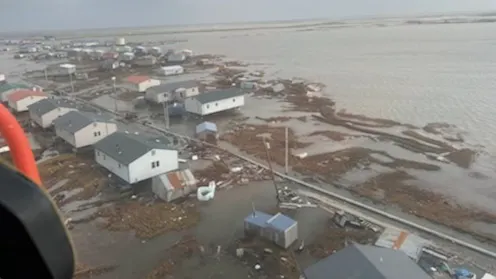
‘As the storm approached Alaska, everything went sideways,’ leaving people no time to evacuate and little time to prepare. An Alaska meteorologist explains what happened and the challenges ahead.
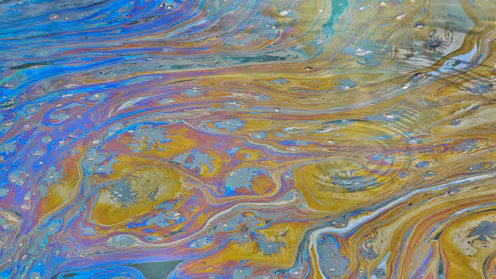
Companies with relatively many patents and more employees own facilities that tend to release lower proportions of their toxic waste into the environment.
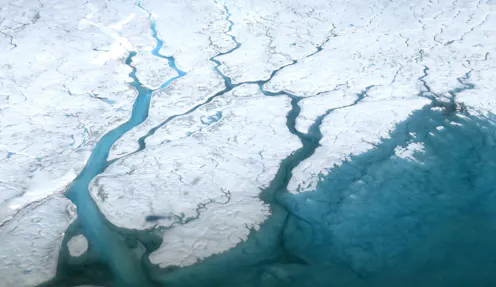
A report warns that coral reefs may have reached their tipping point, and ice sheets, ocean currents and the Amazon are at growing risk. But, what does that actually mean?
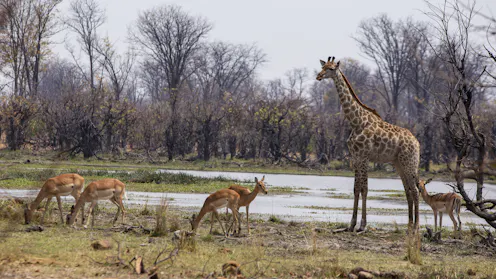
Many of these extraordinary places are increasingly at risk due to escalating climate change, invasive species, and and a lack of consistent funding to protect them.