
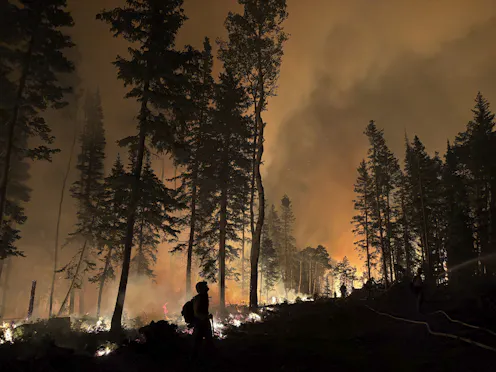
The Trump administration and members of Congress propose cutting environmental reviews and public involvement to boost logging. But data show reviews aren’t the problem.
Environment + Energy – Articles, Analysis, Opinion
Displaying 376 - 400 of 3160 articles
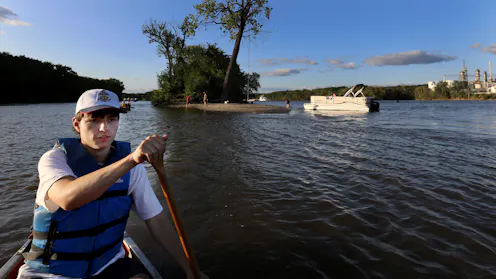
These sites of national significance hold surprising treasures no less wondrous than the big-name destinations, potentially right around the corner from your home.
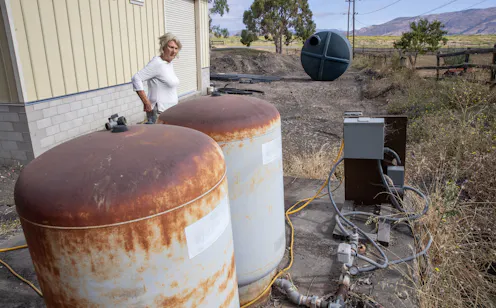
PFAS exposure can vary significantly from one community to the next. A close-up view of three Great Lakes states offers some insights for everyone.
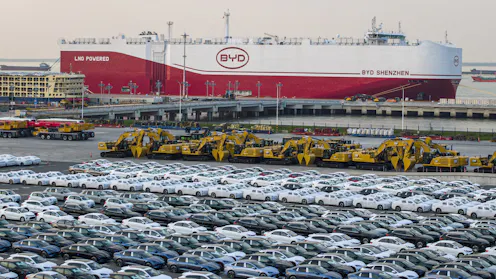
China is already producing a wide range of EVs, including several options that cost less than $25,000.
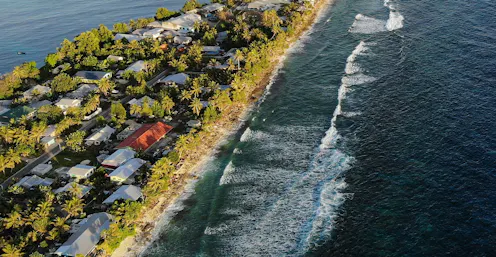
From rising global temperatures to the fast-warming Arctic, early climate models predicted the changes half a century ago.
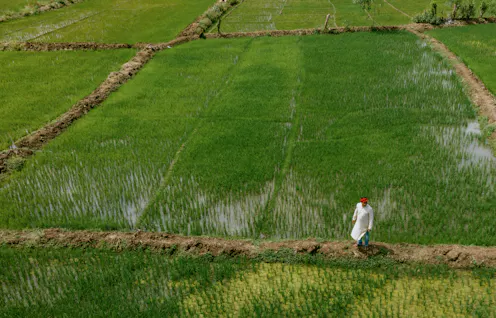
AI models can deliver localized forecasts faster and cheaper than traditional models. The challenge is getting this technology where it’s needed.
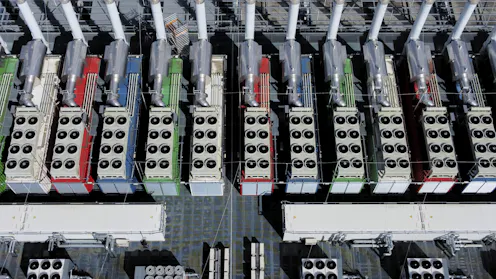
AI’s burgeoning energy appetite is driving efforts to make more efficient computer chips. But chips are only part of the data center equation.

Small farms will have the hardest time meeting the rules, giving big producers an edge. One potential solution: agroforestry, growing coffee plants among the trees.
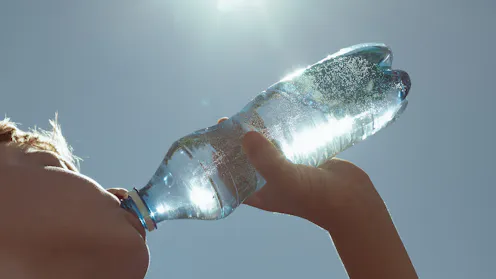
AI systems’ water usage can vary widely, depending on where and when the computer answering the query is running.
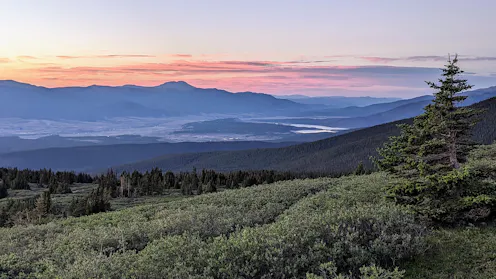
Most people want to properly dispose of their waste, but they’re typically not prepared. Land managers can help users meet the moment.
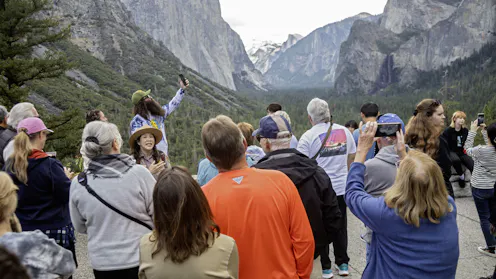
There are other parts of popular areas – and different locations altogether – that can be great places for outdoor recreation and enjoyment.

Both presidents have track records as avid deregulators when it comes to environmental rules on industry, but Trump’s efforts to cast doubt on science head in a very different direction.
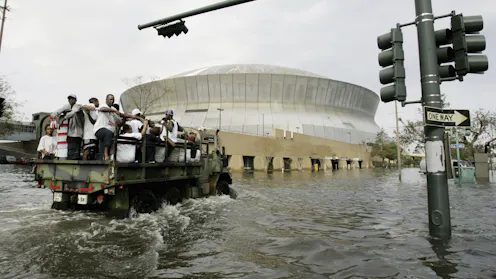
The 2005 hurricane was a disaster made worse by a lack of coordination and communication among governments and emergency leadership on the ground.

More powerful storms and melting glaciers are flooding communities across the region again, with devastating effects, particularly in the mountains.
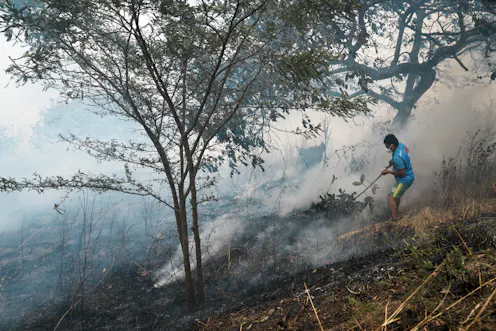
Even though you may mostly hear about fires in the US, Canada, Europe and Australia, it’s Africa that has far and away the most acreage burned and people exposed to fire.
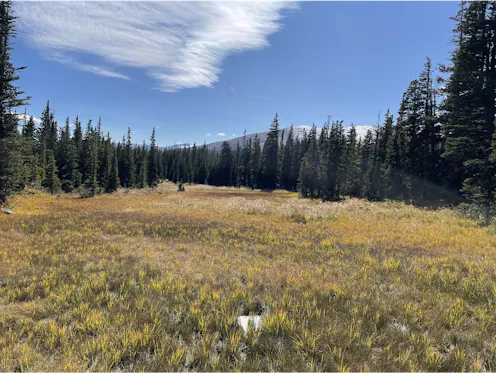
Subalpine wetlands in the Rocky Mountains are warming, creating the perfect conditions for producing methylmercury, a potent neurotoxin.
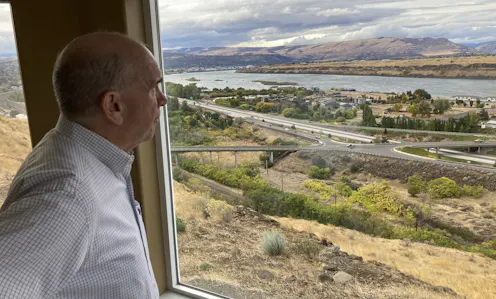
In 2024, one data center in Iowa consumed 1 billion gallons of water, enough to supply all the state’s residences with water for five days.
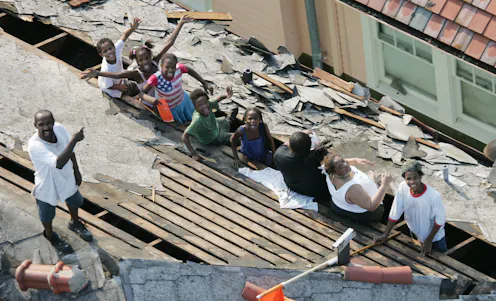
Looking back on New Orleans 20 years after Hurricane Katrina is a reminder that while such hazards may be natural, the death and destruction is largely human-made.
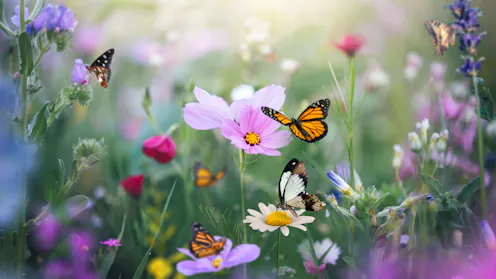
Uniquely colored flowers with big blooms might make for an aesthetically pleasing garden, but they can be unhelpful to pollinators. Careful consideration can help you plan a colorful and eco-friendly garden.
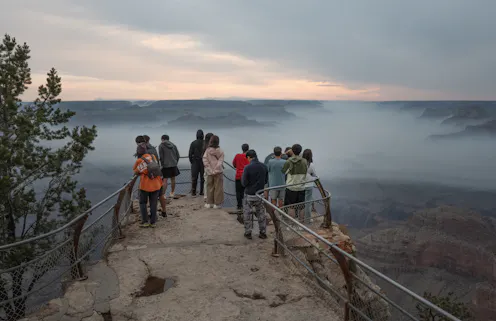
Water systems are vulnerable to melting plastic components, toxic contamination and failures that can leave firefighters without flowing water.
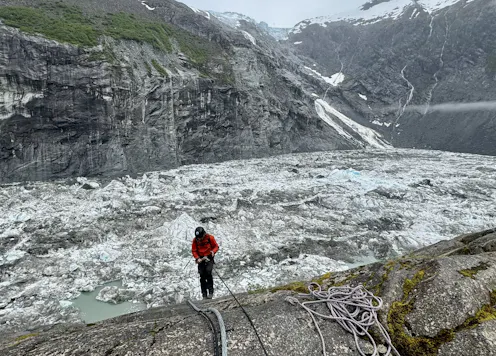
Suicide Basin, an ice-dammed lake on an arm of Mendenhall Glacier, has filled up with meltwater and sent destructive surges of water into Juneau for 3 straight summers.
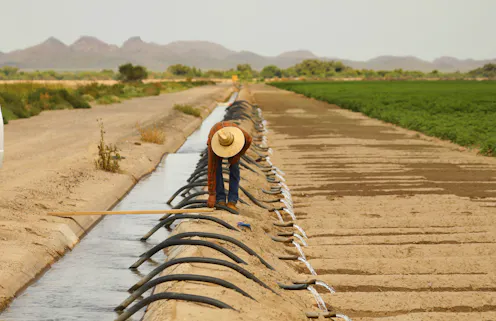
The drought has been linked to the Pacific Decadal Oscillation, a natural climate pattern. A new study finds global warming is now influencing that natural phenomenon.
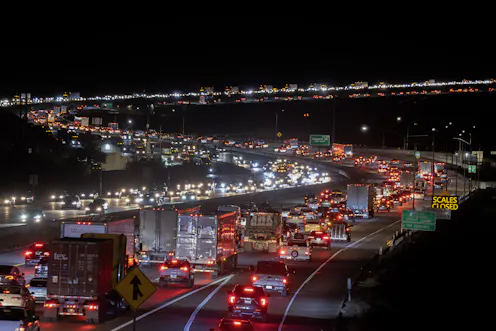
Carbon dioxide emissions trap heat in the atmosphere, warming the planet. Too much of it can disrupt the climate and oceans.
The 2009 finding that greenhouse gases endanger public health underpins many U.S. climate policies. A new report meant to challenge it may run afoul of several laws.
New technologies are making it easier to find these urban heat islets, opening the door to new strategies for efficiently improving community health.