
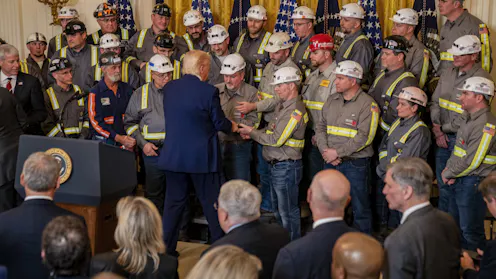
The Trump administration has made several efforts to support the coal industry, but even if coal were free, the economics aren’t in its favor.
Environment + Energy – Articles, Analysis, Opinion
Displaying 301 - 325 of 3160 articles

There are better ways for teams to cut their climate impact.

Seeing more refurbished electronic devices on the market? Thank tech innovation – and the government regulation that sparked it.
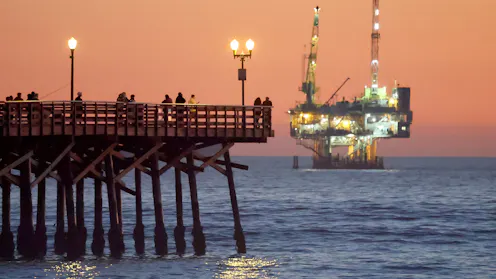
Industry leaders have objected to reversals of long-standing policies, and market forces are moving against the Trump administration’s hopes.

An innovative study mapped preterm births, low birth weights and infant mortality to municipal water wells downstream from PFAS-contaminated sites. The results show the high cost of PFAS harm.
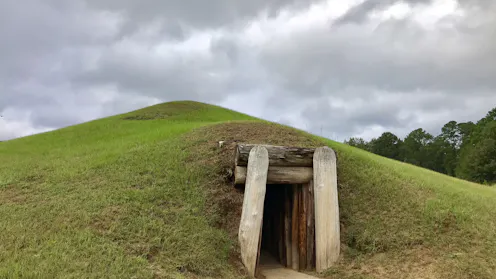
Ocmulgee Mounds may soon be redesignated by Congress as America’s 64th national park. But what does this actually mean, and why does it matter?
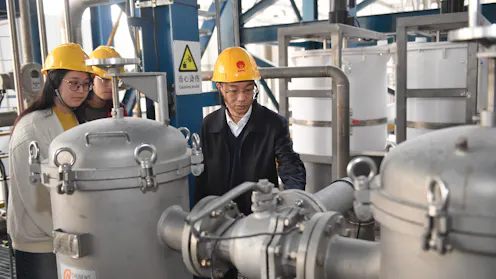
Rising electricity demand has researchers exploring a wide range of methods to generate more power, including a type of nuclear reactor that’s smaller than traditional nuclear plants.
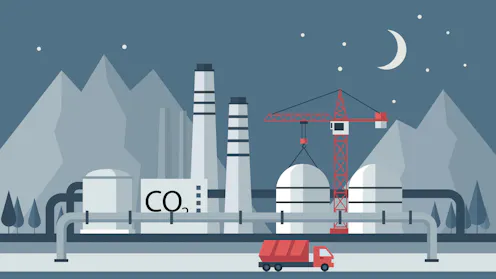
To reduce emissions put into the atmosphere, Google is using carbon capture and sequestration. But not all CCS projects are the same.
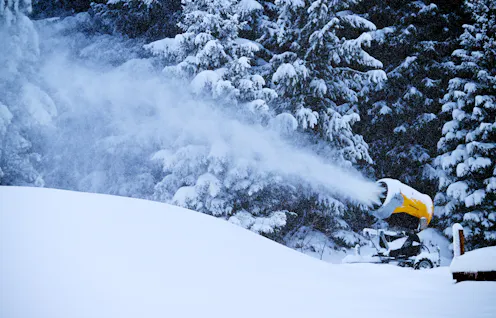
Here’s what snow forecasters are watching, and why skiers and other snow lovers shouldn’t lose hope.
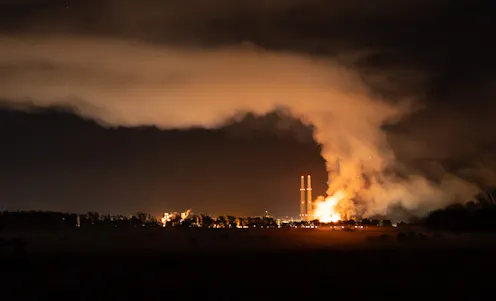
The Moss Landing battery fire became an unintended experiment – showing how burning lithium-ion cells scattered nickel, cobalt and manganese over a protected marsh.

Iran’s sprawling cities and irrigated agriculture, along with tight market controls, have left the country vulnerable to drought. There are steps that would help.
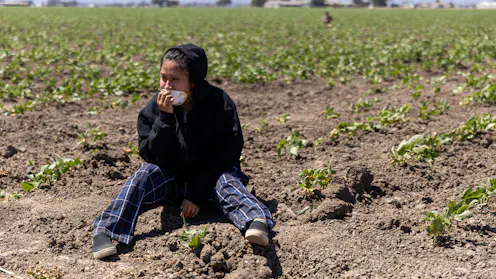
Despite the administration’s claim of streamlining the government to make its operations more efficient, a range of recent federal policies have, in fact, exacerbated food wastage.
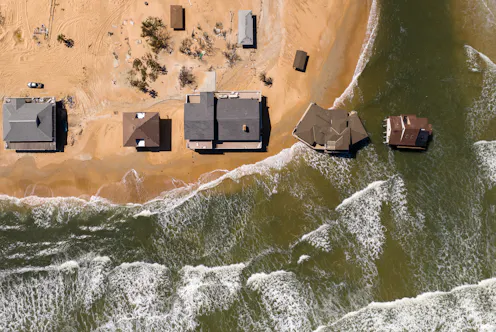
Understanding what happens to Antarctica’s ice matters, because as it melts, sea levels rise, affecting lives and economies around the world.
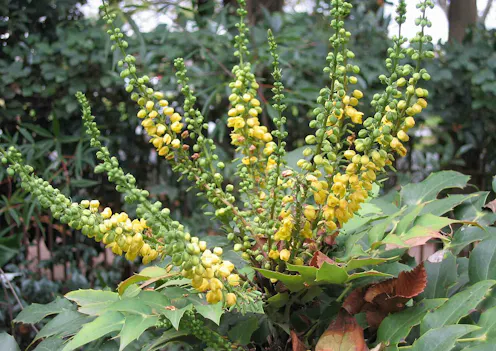
The people who manage America’s aquifers, wetlands, shorelines and recreation areas rely on federal science as they face new and rising risks in a changing climate.
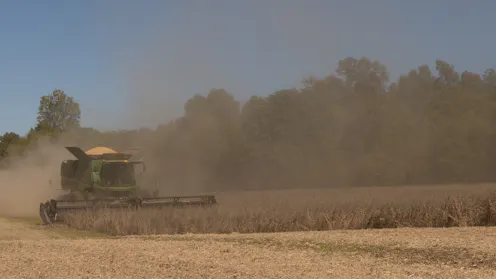
In the past, farmers have balanced their political beliefs against market logic. How much pressure can farmers endure?
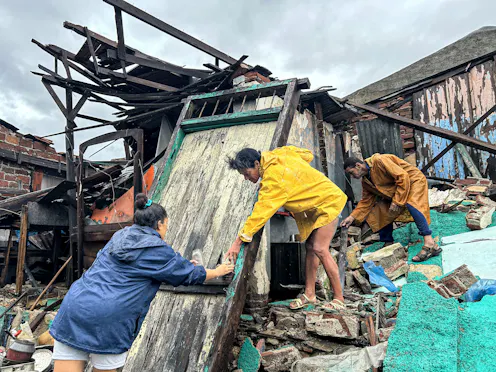
Wealthy countries promised billions of dollars to help developing nations adapt to climate change, but the result rests on a shaky foundation of fuzzy accounting.

Pecans are a truly American nut: They grew on George Washington’s estate, and they flew to space on an Apollo mission.

More than 12 million US households keep their homes either too cold or too hot, sacrificing comfort because they can’t afford to pay their energy bills.
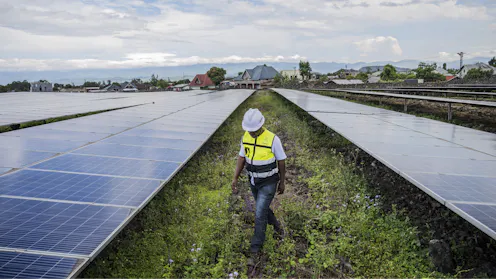
Politics is just one challenge. The cost of borrowing to build wind and solar farms is another, especially in fast-growing developing countries. There are solutions.
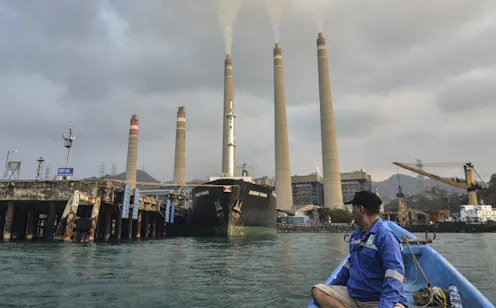
Nearly a third of all countries worldwide have pledged to phase out their unabated coal-burning power. But China and India are still adding coal plants – for now.
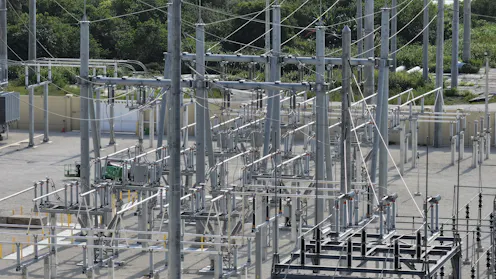
The equipment needed to keep the grid running is hard to make, and materials are limited. And supply-chain bottlenecks are taking years to clear.
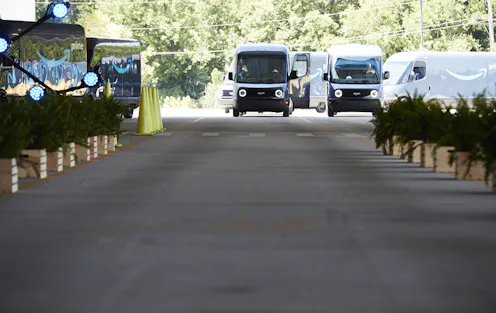
While Trump scraps US climate policies, companies still face pressure from states, other countries and their customers. That pressure trickles down supply chains.

When Fusarium graminearum infects wheat, it can pose a risk to humans, animals and agriculture.
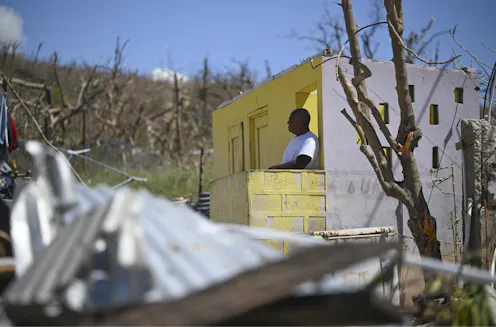
Melissa was just the latest blow, following close on the heels of Beryl. Many islands today have little time to recover before the next disaster hits.

From extreme heat to mosquito-borne illnesses, climate change is making people sicker and more vulnerable to disease. Health scientists explain what individuals and governments can do about it.