

US Olympic skiers and scientists explain the sharp differences between natural snow and machine-made snow, from the science to the rising risk of crashes.
Environment + Energy – Articles, Analysis, Opinion
Displaying 251 - 275 of 3160 articles
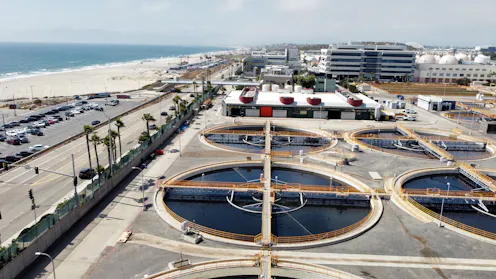
Desalination of seawater and sewage treatment plants leave behind water that contains high concentrations of salt, metals and other contaminants. What if that water could be separated from the rest?
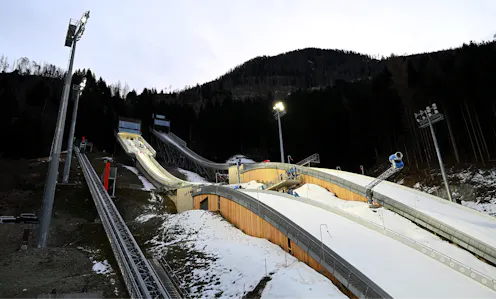
Innovations have made recent Winter Games possible, but the future climate will have a big impact on where the Olympics can be held and winter sports themselves.
The government directed data centers to turn on backup generation in parts of the US. Expanding distributed generation could improve grid resilience.
A federal judge dealt one blow to the effort when he found the administration had violated the law in handpicking a panel to question climate science.
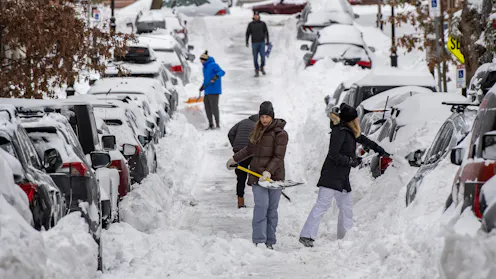
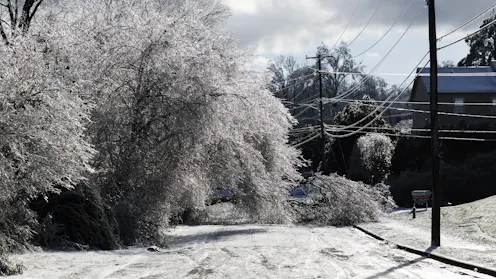
Winter storms create many hazards, from slick ice to freezing temperatures. People often underestimate how quickly conditions can become life-threatening
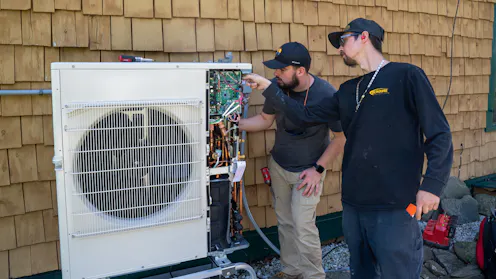
Many homeowners could save money on their heating bills by installing heat pumps – but not everyone, and not everywhere.

In the world of cost benefit analysis, if an impact isn’t monetized, it doesn’t exist. A former EPA official explains what’s changing now and why it matters.

Electric vehicles are a fast-growing share of auto sales in many countries, and Chinese automakers are benefiting as the US industry pulls back.
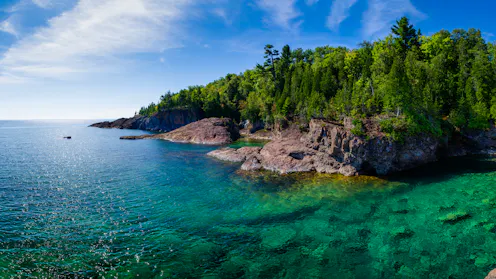
Some of these ‘forever chemicals’ are toxic at very low levels. They can get into water systems and bioaccumulate in fish, ultimately posing risks to people.
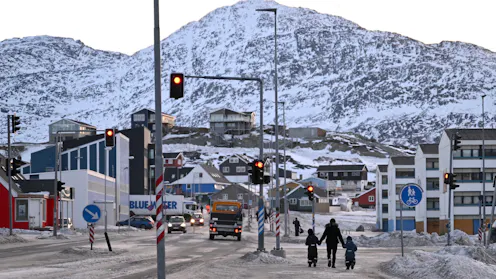
Greenland’s inhabitants call it Kalaallit Nunaat, or land of the Kalaallit. It is an Indigenous nation whose relatively few people now mostly govern themselves.

Ski resorts in Colorado can make snow, but it only goes so far.
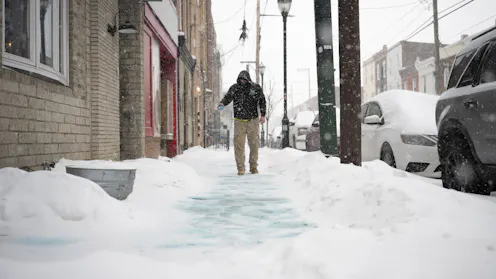
Excess road and sidewalk salt flows into storm drains and ultimately into area streams and rivers, affecting fish and other aquatic organisms.
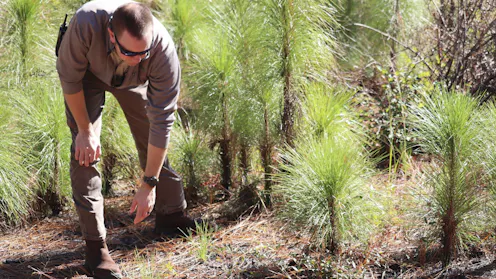
One of North America’s richest ecosystems, sustained and shaped by Native peoples before European contact, nearly disappeared. A recovery is underway.
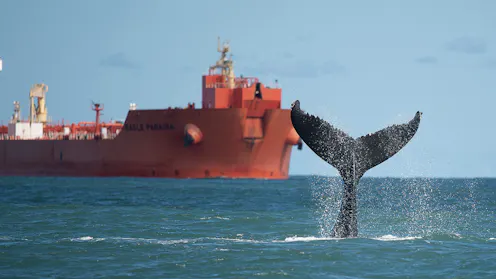
Despite Brazil’s recent expansions of protected areas, research shows that the favorite habitats of whales and dolphins are still threatened by human activities.
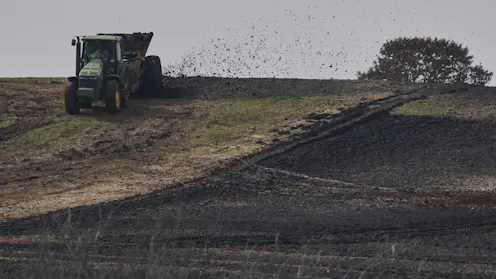
Plants need phosphorus, and other nutrients, to grow. But soil tests can’t tell if there’s too much.
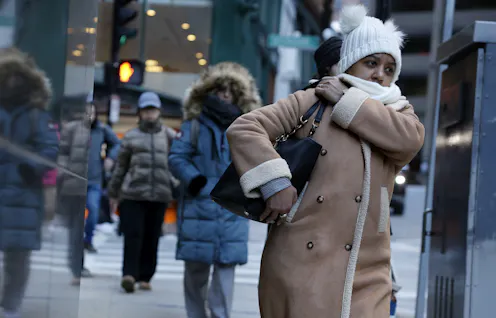
The atmosphere is a complicated place. Warm temperatures in one spot can contribute to brutally cold storms somewhere else.

Artificial intelligence systems have big environmental costs but are also finding ways to save energy and water, cut emissions and make businesses more efficient.

Coal mines are notorious sources of acid mine drainage, but the orange sludge that threatens water supplies and wildlife also contains valuable rare earth elements.
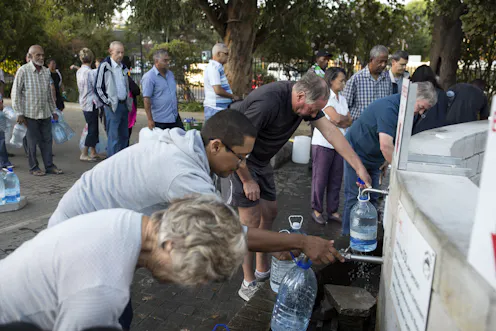
Like living beyond your financial means, using more water than nature can replenish can have catastrophic results.
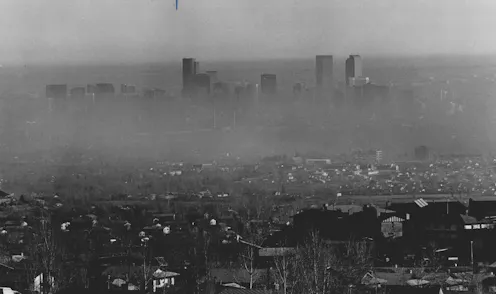
The EPA is changing how it assesses proposed regulations by dropping the monetary value of health benefits from its cost-benefit analyses. That misses a big piece of the picture.
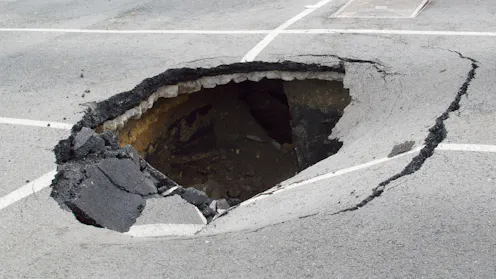
Sinkholes are fairly common in Philadelphia due to aging water lines that leak or burst, causing the surrounding soil to wash away.

The US government used to have American farmers’ backs, but that support has been dwindling for decades. New subsidies signal big changes for farmers.
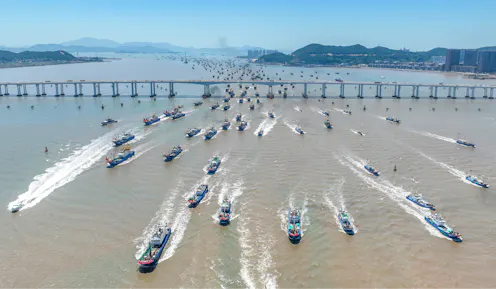
The expansion of Arctic shipping, scramble for seafloor mining and overfishing are all straining international relationships. But the powers of diplomacy go beyond ocean treaties.

As climate extremes intensify, adaptation debates favor new technologies. Terraces in the Philippines and Morocco show how people modified their landscapes to respond to past climate shifts.