
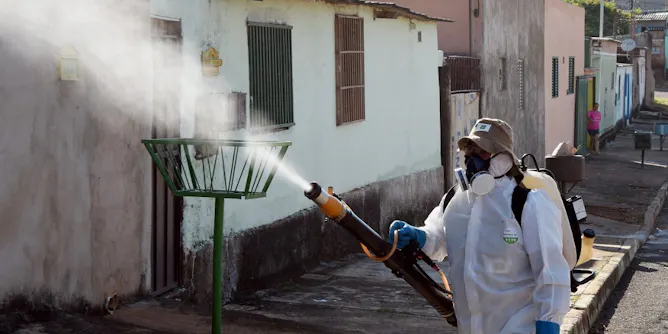
A new study shows that the pesticide pyriproxyfen – widely used in Brazil during the Zika outbreak of 2015 – could disrupt thyroid hormones and thus affect brain development in children.
Articles on Microcephaly
Displaying 1 - 20 of 22 articles
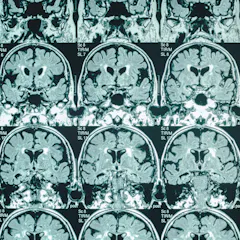
The Trump administration has banned NIH researchers from using fetal tissue. The tissue is an essential tool for scientists investigating diseases ranging from Alzheimer’s to Zika virus infections.
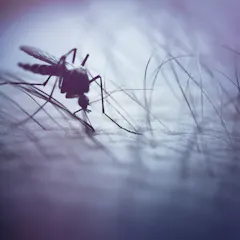
The World Health Organisation has pledged a long-term response to controlling the Zika virus because the threat is far from over

The 2015 Zika outbreak in South America brought the virus to global attention. But tracing the history of the virus in West Africa can give clues to tackling future outbreaks.

Zika is not gender neutral: women’s rights are at stake.
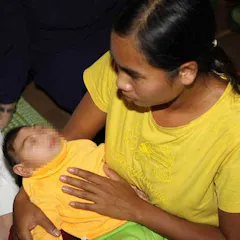
The World Health Organisation no longer sees Zika as a health emergency. But what does this downgrade mean for the health of mothers and babies?

A moving dispatch from the frontline in the fight against Zika.
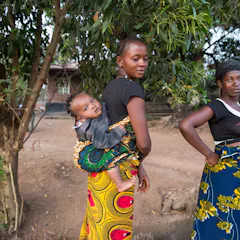
We found that less than 1% of published research papers around the time of both outbreaks, that related to the outbreaks, actually explored their gendered impact.

Physicians like me are learning about Zika along with our patients. This takes a dose of humility on our part and an understanding from our patients that we learn something new every single day.

Though separated by time and place, there are surprising similarities in the the social issues raised by the rubella outbreak of 1964-65 and the recent Zika outbreak in South America.

The chance the someone at the Rio games will import the virus to their home country is low.

Recently two events concerning the Zika epidemic coincided: two potential vaccines against the virus were declared a success when used in mice, and Jason Day withdrew from the Olympic Games.

Academics have sent an open letter to the World Health Organisation calling for the Olympics to be postponed or moved because of the Zika threat. They’re overreacting.
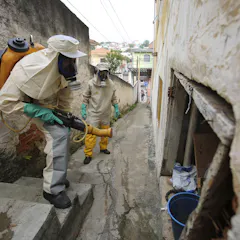
The number of new Zika-related microcephaly cases in Brazil is falling. But it’s too early to relax.

To tackle Zika and other viral outbreaks, we need to focus not only on the pathology of the disease, but also on the global political and economic architecture.
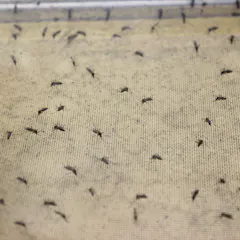
Zika virus may be in the headlines but the burden of other mosquito-borne diseases, such as dengue fever, should not be overlooked.
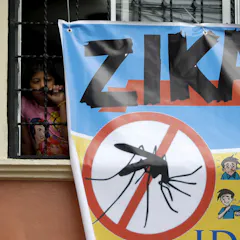
Better access to birth control and safe, legal abortions in Latin America could save lives. But carving out Zika-related exceptions in existing restrictions might not go far enough to achieve this.
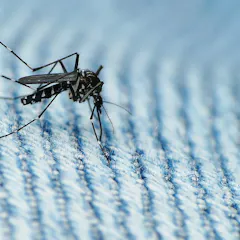
Despite all the hype around Zika, crucial questions remain unanswered. How great is the risk that infection during pregnancy would result in a baby with microcephaly? And what can be done to prevent this?

Zika virus and microcephaly are firmly linked, but scientists are still trying to prove that it has caused the condition.

Despite high rates of infection, the Zika outbreak would not have been particularly alarming had it not been for the sudden and – apparently associated – increase in the numbers of infants born with microcephaly.
Top contributors
-

Distinguished Professor, Public Health and Medical Anthropology, University of the Witwatersrand
-
PhD candidate, Yale University
-
Lecturer, Biomedical and Life Sciences, Lancaster University
-
Senior Lecturer in Communicable Disease Epidemiology, University of Sydney
-
Consultant Neonatologist and Professor of Ethics, University of Oxford
-
Clinical Associate Professor, School of Medical Science & Sydney Infectious Diseases Institute; Principal Hospital Scientist, University of Sydney
-
Honorary Professor Faculty of Health and Medical Science, Univeristy of Sydney; Senior Researcher Sydney Institue for Infectious Disease, University of Sydney., University of Sydney
-
Professor of Immunology and Infectious Diseases, Harvard University
-
Post-doctoral Research Assistant, University of Glasgow
-
Adjunct Lecturer and PhD student, School of Social Sciences; Public Health Physician, South Eastern Sydney Local Health District, UNSW
-
Senior lecturer, University of York
-
Professor of Global Politics, University of Southampton
-
Associate Professor, SUNY Old Westbury
-
Emeritus Professor, School of Public Health, University of the Western Cape
-
Universidade Federal do Rio Grande do Sul (UFRGS)