

The mental health of teenagers has grown far worse over the last decade. But a new report shows that, compared with boys, teen girls are disproportionately experiencing sadness and hopelessness.
Articles on Youth mental health
Displaying 61 - 80 of 183 articles

Nearly 1 in 5 US teenagers battle depression. But parents can help by communicating openly, creating a behavior contract and finding low-pressure opportunities to interact with their teen.

Young people provide timely and personalised mental health support to friends – but sometimes find looking after their own needs difficult in the process.

Although teen perfectionists often appear to be doing well on the surface, they are not impervious to hardships. They are young people who are often in need of support.

A new study investigated whether ‘school connectedness’ prevents the onset of depression and anxiety in 14 to 24 year-olds.

Canada ranks 30th out of 38 wealthy nations in supporting the mental health and well-being of children. The need to invest in and prioritize mental health for children and young people is urgent.

Anxiety is the most common mental health issue facing children and adolescents. But research shows that early screening – including in school settings – can identify children who are at risk.
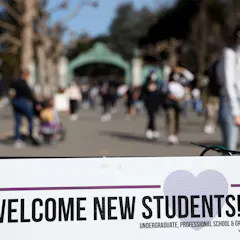
Starting college after finishing high school is an exciting phase of a student’s life. But students need to prepare for the new challenges college brings.

Models shows that some 4 million people in the US have lost a grandparent to COVID-19. But until now, there has been a dearth of research into the mental health effects of losing a grandparent.

Understanding the impact of the digital environment on children’s mental health requires a balanced consideration of not only the potential risks, but also the benefits of the online world.

School violence prevention requires professionals – counselors, psychologists and social workers – who know how to create an emotionally safe environment. Those staffers are in very short supply.

A rise in psychological distress among young Australians, compounded by COVID and difficulties in getting professional help, has added to the urgency of mental health education in schools.

Up to 20% of US children have an anxiety disorder, and many suffer in silence.

Mental health labels can be powerful and hurtful. We sat down with young patients, families and doctors to brainstorm new names for mental health conditions.

New research shows that many young people report a sense of temporary relief following episodes of self-harm. But there are clear ways to help teens replace injurious behaviors with healthy ones.

Mental health services aren’t meeting young people’s needs, particularly during the global pandemic. But research shows parents can learn how to reduce anxiety and depression in early teens.

Most teens experience a dip in their well-being and the pandemic has exacerbated this pattern. But parents can safeguard their teenagers’ mental health by sharing stories from a very young age.
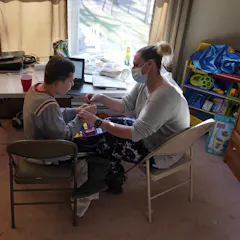
Many students with disabilities got few or no services during the pandemic, and aren’t now receiving the support they need to regain their lost ground and continue to learn

Bullied teens reported heightened anxiety when they were attending in-person school, but not when they were attending online school.

Young people have a right to be engaged, and a right to be heard in research. When young people’s voices are included in the research process, the result is richer and more relevant research evidence.
Top contributors
-

Tier 1 Canada Research Chair in School-Based Mental Health and Violence Prevention, L’Université d’Ottawa/University of Ottawa
-
Professor, Canada Research Chair in Determinants of Child Development, Owerko Centre at the Alberta Children’s Hospital Research Institute, University of Calgary
-
Professor emeritus, The University of Melbourne
-
Professor of Adolescent Health The University of Melbourne; Director, Royal Children's Hospital Centre for Adolescent Health; and Murdoch Children's Research Institute, The University of Melbourne
-
Associate Professor, School of Psychology, Scientist, Children's Hospital of Eastern Ontario Research Institute, L’Université d’Ottawa/University of Ottawa
-
Assistant Professor of Psychology, Wayne State University
-
Professor of Psychiatry, The University of Melbourne
-
Senior Research Fellow in Mental Health, Victoria University
-
Senior lecturer, Monash University
-
Professor of IT Ethics and Digital Rights, Bournemouth University
-
Assistant Professor of Psychiatry, University of Colorado Anschutz
-
Associate professor, RMIT University
-
Lecturer, School of Education, Edith Cowan University
-
Scientia Professor & Head of the School of Psychiatry, UNSW
-
Assistant Professor of School Psychology, University of Dayton