

Nearly 1 in 7 white men under 30 in the US support white nationalism, and partisanship alone doesn’t explain who’s drawn to it.
Articles on Young adults
Displaying 1 - 20 of 52 articles

The boundaries of heterosexuality are bending for women but not for men, who appear to have less room to explore and are bound to a more rigid, traditional concept of masculinity.

A new national research agenda, shaped by patients, caregivers and clinicians, will guide the future of adolescent and young adult cancer research in Canada.

Whether a young person has public or private insurance – or is uninsured or underinsured – significantly influences their risk of death across many cancer types.

Parental support can unintentionally produce a strong sense of misguided obligation and guilt, sidelining the desires and preferences of young adults.

Young adults can take basic but powerful steps to address risk factors that set the stage for heart disease.

There is no single way of becoming an adult in the world.
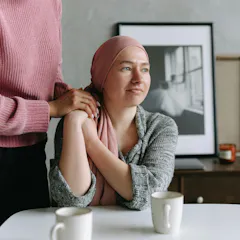
Some of the proposed reasons include diet and lifestyle factors, and even the gut microbiome. But ultimately we don’t know.

Growing up is a gradual process, and the timing isn’t the same for everyone. But you will be tried as an adult if you are over 18 and accused of committing a crime.

Being single is often seen as a temporary stage, rather than a legitimate or fulfilling way of life, but research shows single people can lead fulfilling, happy lives.

Asking these 3 questions can help young workers find purpose, stay engaged and drive organizational success.

Many adult children may have left home, but the ties that bind them to their parents remain stronger than ever.

The study’s findings highlight the potential for social media to be a tool for good, rather than a source of stress.

Research shows that many factors influence how social media can impact – positively and negatively – the wellbeing of young people. But the media and politicians often draw simpler conclusions.

Compared with voters who are trying to have kids or haven’t decided yet, those who definitely don’t want to have kids – known as the ‘child-free’ – have a different set of political priorities.

It’s hard to start living on your own after turning 18 and aging out of foster care.

Better training and supervision make younger workers less vulnerable to injuries.

The series should be praised for recognising that it’s not just white, middle-class girls who experience eating disorders.
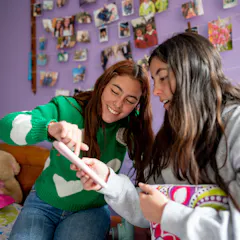
Peer pressure, amusement and the desire for attention help explain why young people participate in risky social media challenges.

Social media has become a mainstay in everyday life, particularly among younger generations. And some are even willing to make trade-offs to stay online.
Top contributors
-

Associate Professor of Psychology, Michigan State University
-
Professor of Psychology, Michigan State University
-
Instructor, Department of Psychology and Women, Gender, & Sexuality Studies, Binghamton University, State University of New York
-
Associate Professor of Sociology, Middlebury College
-
Associate Professor of Women, Gender and Sexuality Studies, Binghamton University, State University of New York
-
Research Coordinator, BC Centre on Substance Use, University of British Columbia
-
Professor of College of Community and Global Health, University of Manitoba
-
Post-doctoral research fellow, Department of Medicine, University of British Columbia
-
Professor of Psychology, San Diego State University
-
Associate Professor of Interdisciplinary Studies, Royal Roads University
-
Associate Professor of Social Work, University of Southern California
-
Professor Applied Social and Policy Research; Director, Centre for Loneliness Studies, Sheffield Hallam University
-
Assistant Professor, Department of Medicine, University of British Columbia
-
Lecturer in Marketing, University of Bristol
-
Associate Professor of Human Health and Nutritional Sciences, University of Guelph