
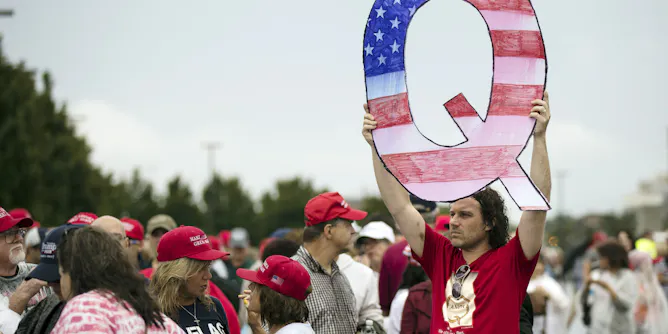
QAnon conspiracists think Trump’s ‘secret war’ against an elite celebrity ‘deep state’ network will eventually lead to a day of reckoning where his opponents will fall.
Articles on X (formerly Twitter)
Displaying 321 - 340 of 760 articles
Young people continue to find new ways to connect on social media, in spaces that are increasingly hard for governments to regulate.
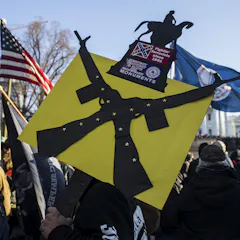
Facebook, Twitter, YouTube and other social networks say they are targeting hate, but they’re overlooking a major source of hateful content: gun talk.
Hackers demonstrated they can take over Twitter’s technology infrastructure, a brazen move that hints at how such an attack could destabilize society.
Twitter’s ‘blue tick’ club of influential users was locked out after financial scammers hacked celebrities’ accounts. But with ever more trust placed in social media, we stand to lose more than money.

Here’s what you need to know about the largely right-wing social media platform creeping into headlines.
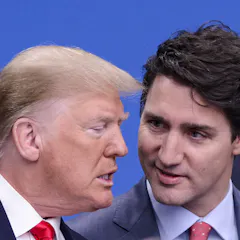
A tale of two leaders on Twitter in the age of COVID-19.
From its beginnings as a geeky tool to deal with a fragmented information stream, Twitter made the hashtag a new and powerful part of the world’s cultural, social and political vocabulary.
The study examined patterns of Twitter rage in hot and cold weather. Given anger spreads through online communities faster than any other emotions, the findings are important.
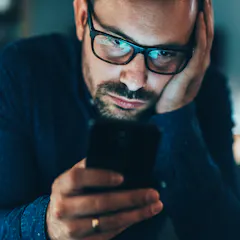
A social media researcher explains how bots and sock puppet accounts manipulate and polarize public debate.
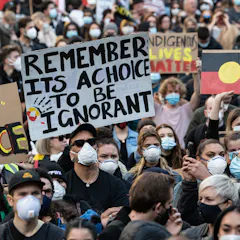
Aboriginal people have been calling for non-Indigenous Australians to listen to what they are saying. One great way to do that is via Twitter
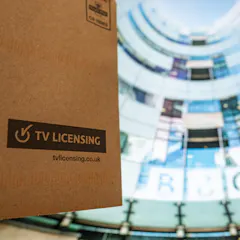
How did one student’s anti-BBC social media campaign take off so rapidly?
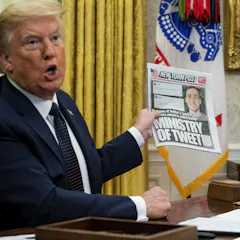
The US president is punishing Twitter for using a factcheck to point out that one of his tweets is incorrect.
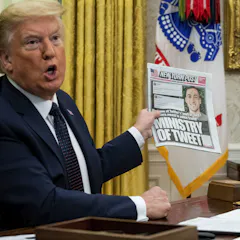
Trump’s recent executive order may limit section 230 of the Communications Decency Act - the ‘bedrock of the internet’. What does that mean for Australia?
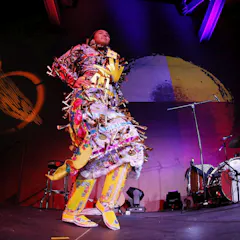
Indigenous communities are connecting over digital communities to survive and resist.
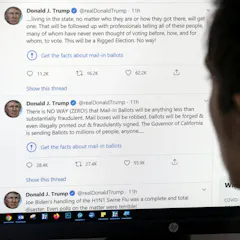
When other posts have presented misinformation, the company simply removed the tweets, but Trump is being treated differently.
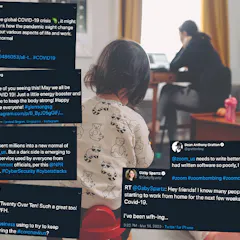
WFH? It seems a lot of people have quickly become used to it.

Our research found how “blaming others” attitudes related to stigmas surrounding COVID-19 in Indonesia and Malaysia.

Hospitals have requested that people avoid non-emergency visits, and conspiracy theorists are posting images of empty parking lots online as false proof that COVID-19 is an elaborate hoax.
Twitter’s efforts to label misinformation during the US primaries haven’t met with success. So how do we sift useful coronavirus information from wrong or downright dangerous untruths?
Top contributors
-

Professor, Digital Media Research Centre, Queensland University of Technology
-
Professor of Information Systems, Michigan State University
-
Associate Professor in Digital Media, Queensland University of Technology
-
Director of UWA Centre for Software Practice, The University of Western Australia
-
Postdoctoral Research Fellow, Queensland University of Technology
-
Associate Dean International, University of Chester
-
Professor of Digital Communication, Director of QUT Digital Media Research Centre, Queensland University of Technology
-
Assistant Data Analyst, Queensland University of Technology
-
Associate Vice President for Entrepreneurship and Innovation, Clemson University
-
Senior Lecturer in Marketing, University of Hull
-
Professor of Informatics and Computer Science, Indiana University
-
Associate Professor of Communication and Media Studies, Pace University
-
Adjunct Senior Lecturer, Applied Ethics and CyberSecurity, Griffith University
-
Professor of Strategic Management, Warwick Business School, University of Warwick
-
Professor of Media Industries, University of Nottingham