
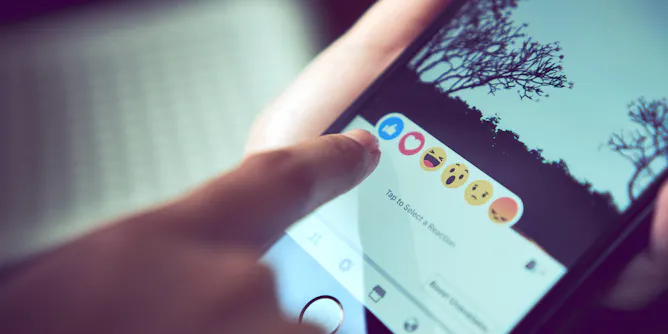
Students – and indeed all of us – must learn to ask questions about what stories are told, and the implications of what stories are not being told.
Articles on X (formerly Twitter)
Displaying 381 - 400 of 760 articles
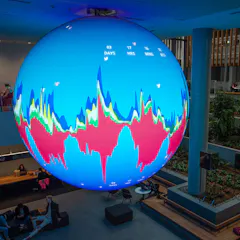
Analysis of tweets from the election campaign reveal two key trends: independents are organising, and embattled Liberal candidates are having to take the fight to their rivals.
New regulations have been rolled out to counter the spread of misinformation during the campaign, but these steps will largely be ineffective in the fast-moving social media sphere
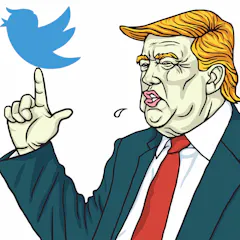
On the back of the Mueller investigation’s apparent exoneration of the POTUS, here’s another surprise.
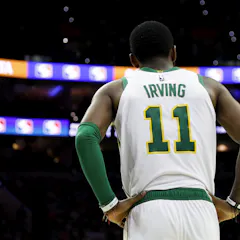
A group of researchers figured out which NBA teams featured the most egotistical players, and then tracked their performances over the course of a season.
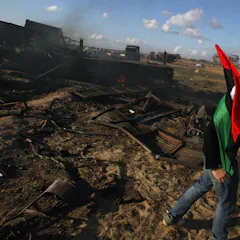
When the 2011 Libyan civil war erupted, Twitter became a major instrument to air the rebels’ account of the conflict and present themselves internationally as a viable alternative to Moammar Gadhafi.
National regulation of free speech should be by governments, and not corporations, in order to be democratic.
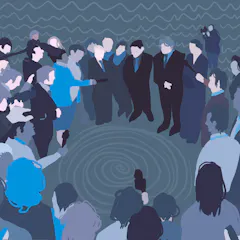
A new study looking at the social media interactions of Australian political journalists finds that they are often talking among themselves.
What can social media platforms do after terrorist attacks?
Spoof Twitter accounts carry on a grand tradition of satire that has its roots in the 18th century.

For those who still consider memes like the #10yearchallenge as harmless and innocent information sharing perhaps it’s time to reconsider.

Consuming too much social media when users end up comparing their lives to others more glamorous can leave one with bad feelings say researchers. But pretending or fantasizing is not all bad either.
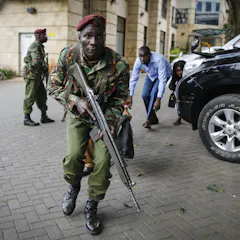
Foreign press took away the dignity from victims killed in the Nairobi terror attacks by publishing their pictures.

Don’t swear off social media. Use it to your advantage.
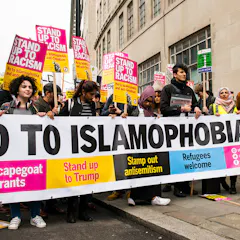
A new machine learning tool can detect and classify different strengths of Islamophobic hate speech on Twitter.
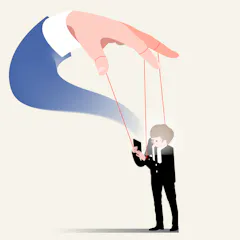
Academic research highlights the dangers – personal and societal – of giving too much time and attention to social media.
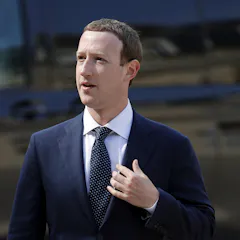
Without much delay, Facebook and Twitter could make significant changes to limit political manipulation and propaganda. Will they? And will users ask it of the social media giants?
New research into the Greek crisis from 2012-16 compared how tweets and traditional news affected bond yields among countries in the eurozone peripheries.
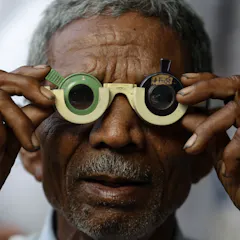
A poster proclaiming “Smash Brahminical Patriarchy” has landed Twitter’s head Jack Dorsey in trouble in India. It shows just how invisible caste is to outsiders.
The ‘like’ button does far more than just express how much a person likes a particular picture or post. It could be used to make social comparisons.
Top contributors
-

Professor, Digital Media Research Centre, Queensland University of Technology
-
Professor of Information Systems, Michigan State University
-
Associate Professor in Digital Media, Queensland University of Technology
-
Director of UWA Centre for Software Practice, The University of Western Australia
-
Postdoctoral Research Fellow, Queensland University of Technology
-
Associate Dean International, University of Chester
-
Professor of Digital Communication, Director of QUT Digital Media Research Centre, Queensland University of Technology
-
Assistant Data Analyst, Queensland University of Technology
-
Associate Vice President for Entrepreneurship and Innovation, Clemson University
-
Senior Lecturer in Marketing, University of Hull
-
Professor of Informatics and Computer Science, Indiana University
-
Associate Professor of Communication and Media Studies, Pace University
-
Adjunct Senior Lecturer, Applied Ethics and CyberSecurity, Griffith University
-
Professor of Strategic Management, Warwick Business School, University of Warwick
-
Professor of Media Industries, University of Nottingham