
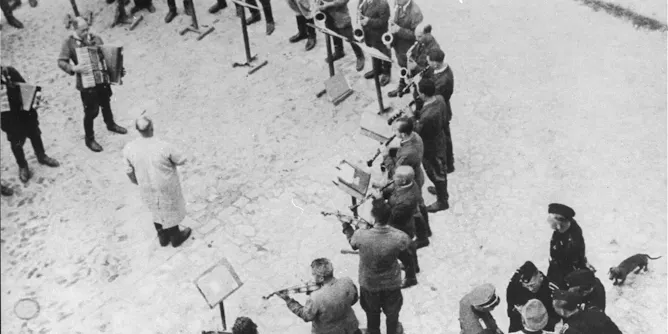
A new collection of 80-year-old songs, passed around Holocaust survivors, emerged from a discovery in a Sydney closet.
Articles on Holocaust
Displaying 1 - 20 of 258 articles
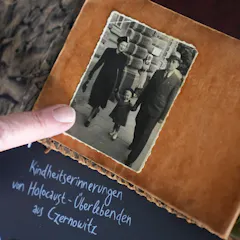
AI poses serious risks to Holocaust memory through denial, distortion and clickbait. AI-literate younger generations may be our best tool for combating the misinformation it enables.
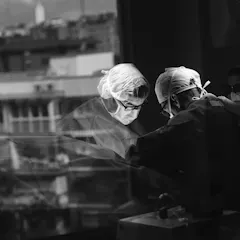
Prejudice and professional gate-keeping before and during WWII meant New Zealand denied itself an opportunity to save lives and boost its depleted health system.
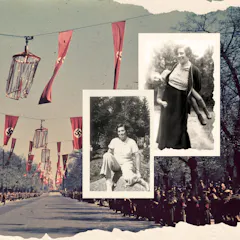
In Raven Mother, Jane Messer writes of the grandmother she never knew: a woman who defied expectations but was undone by war, displacement, exile and separation.
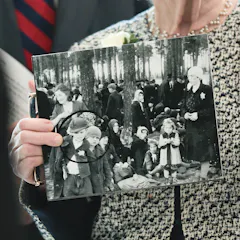
West Germany’s educational reforms in the 1960s and ‘70s show that gaps in knowledge can sometimes create opportunity for rethinking educational methods.
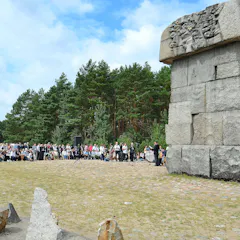
Topics such as sexual assault have been difficult for survivors and historians to write about, even decades after the war.
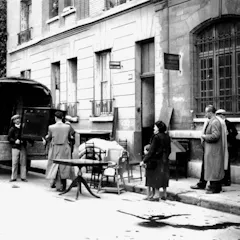
Laws put in place after the war aimed to return stolen belongings and offer war damages to victims. In reality, many Jewish families faced lengthy waits and legal hurdles.
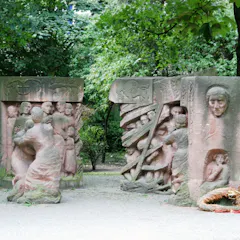
Couples in interfaith marriages came under intense pressure in Nazi Germany. But women’s protests in February 1943 may have helped save their husbands.
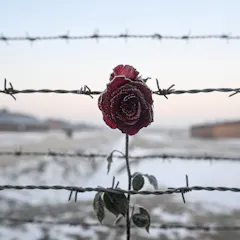
On International Holocaust Remembrance Day, it’s timely to reflect on how the liberation of the camps was reported at the time – and how it changed journalism.
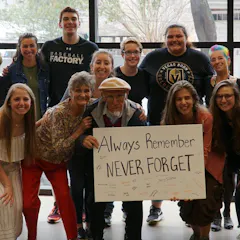
Students respond to history that feels local and personal. There are ways to do that even as Holocaust survivors pass away, one professor writes.
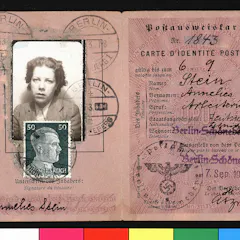
Some women adopted non-Jewish identities to support the resistance. For most, though, it was simply a strategy for survival – one with constant risk of exposure and execution.
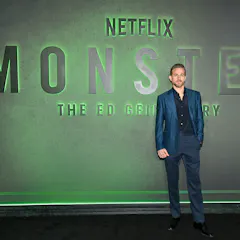
When TV series sensationalize Holocaust atrocities for dramatic effect, it risks encouraging misinformation, denial and trivializing Nazi crimes.
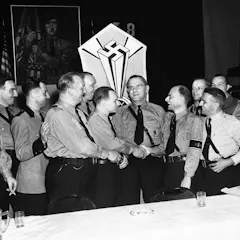
Although thousands of Americans embraced fascist ideas during the interwar years, a new study examines why the US has had little appetite to remember that past.
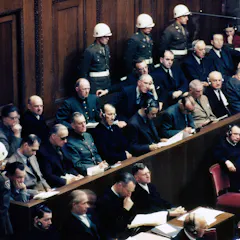
The new film highlights how the tribunal broke ground – and where it fell short – raising enduring questions about complicity, morality and whether humanity can ever truly judge its worst crimes.
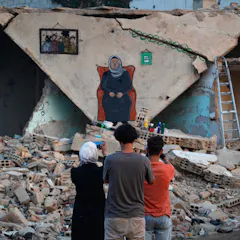
In 58 Facets, legal anthropologist Marika Sosnowski reflects on displacement, violence, resistance and her own family history.
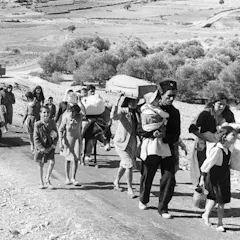
The newly announced exhibit is surprising but long overdue, and represents an act of institutional accountability.
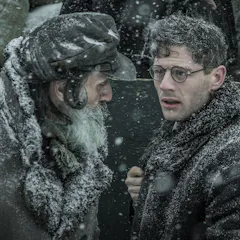
One factor preventing wider recognition of the Holodomor as a central moment in 20th century history is the lack of compelling treatment in film.

The Ravensbrück archive reveals how being a survivor of the camps did not always entail innocence.
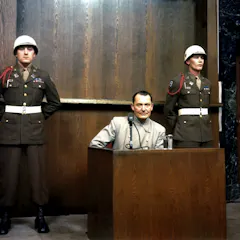
Nuremberg, often called ‘history’s greatest trial’, officially opened on October 18 1945. It held senior Nazi leaders to account for war crimes during the Holocaust.
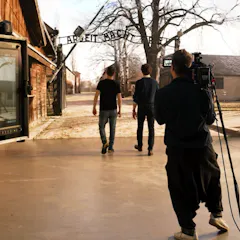
While the virtual site may digitally preserve and encourage historically rooted depictions of the camp, it cannot ensure ethical engagement with the Holocaust.
Top contributors
-

Associate Professor in Modern European History and Jewish History, UNSW
-
Professor Emeritus of Modern European History, University of Essex
-
Professor of Sociology, Rowan University
-
Professor of Post-Soviet Cultural History and Film, Queen Mary University of London
-
PhD in History, Durham University
-
Assistant Professor of Comparative Literature and English, MacEwan University
-
Distinguished Professor of Anthropology; Director, Center for the Study of Genocide and Human Rights, Rutgers University - Newark
-
Professor Emeritus in Contemporary German History, Nottingham Trent University
-
Faculty, Holocaust and Genocide Studies, Gratz College
-
Professor of History, USC Dornsife College of Letters, Arts and Sciences
-
Assistant Professor of Jewish Studies, College of Charleston
-
Casual Academic, Faculty of Arts and Social Sciences, University of Technology Sydney
-
Professor of German Historical Studies, University of Liverpool
-
Professor of Film Studies, Bangor University
-
Rosalinde and Arthur Gilbert Foundation Professor of Israel Studies, University of California, Los Angeles