
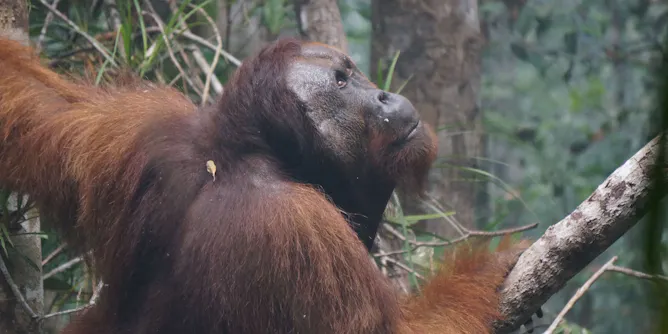
Orangutans are vocal animals, so analyzing their calls during events like wildfires can indicate how smoke is affecting their health.
Articles on Wildlife
Displaying 261 - 280 of 831 articles
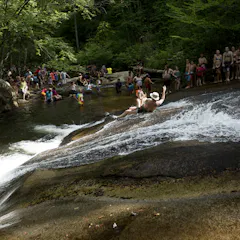
Crowding is increasingly affecting all kinds of public lands. Adjoining communities need to find ways to manage it, or risk harm to the attractions that make them a destination.
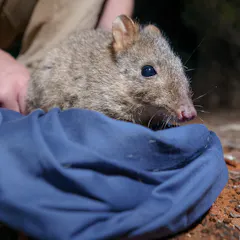
Woylies bred in wildlife havens were smaller and less flighty than their counterparts in the wild. This could jeopardise the success of repopulation programs.

Fireworks can frighten wild and domestic animals, start wildfires and affect some people’s mental health.
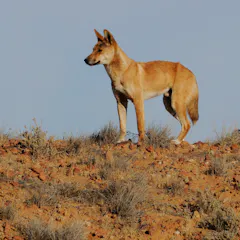
Dingoes are not wild dogs, research reveals. Most of the 307 wild animals sampled in this study were pure dingo. Australia’s apex predator deserves our respect after thousands of years on this land.
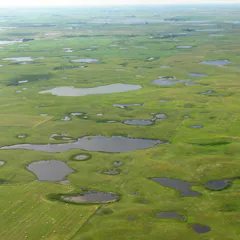
In Sackett v. EPA, a suit filed by two homeowners who filled in wetlands on their property, the Supreme Court has drastically narrowed the definition of which wetlands qualify for federal protection.
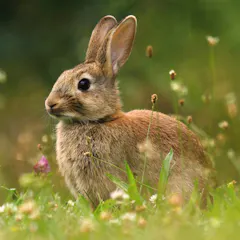
For animals to find the motivation to forage and mate, life must be at least slightly positive.
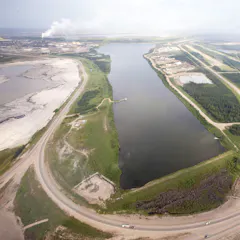
As toxic water continues to spill from tailings ponds across mining developments, decades of scientific research provides evidence of how wildlife will be affected.
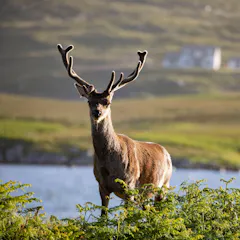
There are arguments over the future of red deer on the Scottish island of South Uist but archaeological expertise can help people live alongside wild animals.
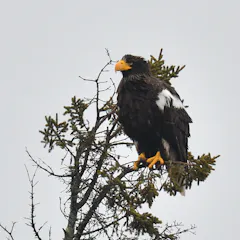
A Steller’s sea eagle, native to the Asian Arctic, has traveled across North America since 2021. A scholar questions whether the bird is lost – and how well humans really understand animals’ actions.

Instead of focusing their limited time, energy and finances in effective interventions in their gardens, many individual gardeners are falling prey to greenwashing.
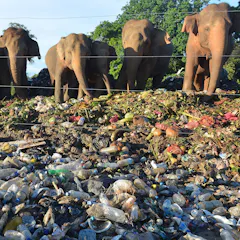
A new study looks back into history to assess human impacts on the range of Asian elephants and finds sharp decline starting several centuries ago.

Governments and wildlife advocates are working to protect 30% of Earth’s lands and waters for nature by 2030. An ecologist explains why creating large protected areas should be a top priority.
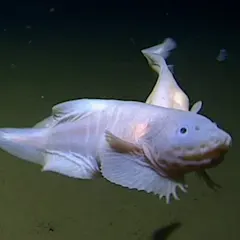
The snailfish was recently found living at depths believed physically impossible.
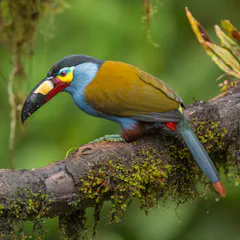
Wildlife can take years or decades to respond to environmental changes made by humans.
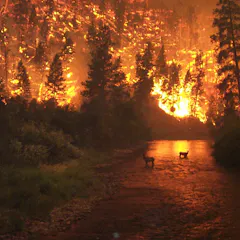
Fires here can affect meltwater timing and water quality, worsen erosion that triggers mudslides, and much more, as two scientists explain.
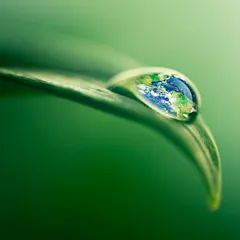
Ants are skilled surgeons, bacteria have their own internet, and scientists think sperm whales have names.
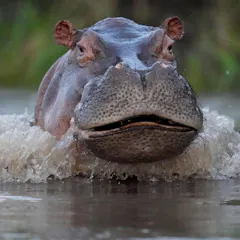
Pablo Escobar’s hippos escaped in the 1990s – since then, they have become a problem.
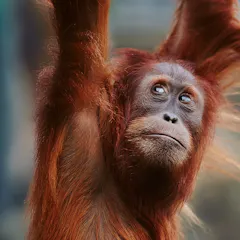
Orangutans, gorillas and chimpanzees seem to enjoy the buzz of getting dizzy.

Canada’s commitment to halt biodiversity loss can only be realized by weaving together Indigenous and non-Indigenous knowledge.
Top contributors
-

Professor in Wildlife Ecology and Conservation, School of Life & Environmental Sciences, Deakin University
-
Professor of Conservation Biology, Charles Darwin University
-
University Fellow in Biodiversity, Charles Darwin University
-
Professor in Ecology, Charles Sturt University
-
Professor, Urban Ecology and Biodiversity, The University of Melbourne; RMIT University
-
Professor in Conservation Science, School of the Environment, The University of Queensland
-
Senior Researcher and Statistician, University of Hohenheim
-
Professor in Conservation Science, School of Ecosystem and Forest Science, The University of Melbourne
-
Distinguished Professor of Ecology, Fenner School of Environment and Society, Australian National University
-
Senior Research Associate, School of Agriculture, Food and Ecosystem Sciences, The University of Melbourne
-
Professor of Environmental Management, The University of Queensland
-
Associate Professor of Behavioural Ecology, Curtin University
-
Associate Professor, Global Ecology, University of Sydney
-
Professor Emeritus in Terrestrial Ecology, University of Sydney
-
Affiliate Faculty in Environmental Science, Montana State University