
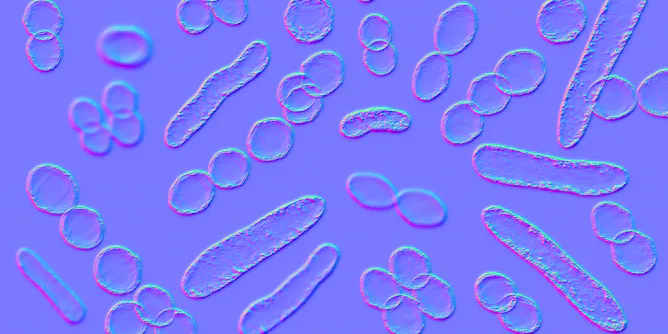
Scientists have described antimicrobial resistance as an overlooked pandemic. Improving surveillance can help prevent deadly outbreaks.
Articles on Whole-genome sequencing
Displaying all articles
Existing genetic data and sequencing tools are overwhelmingly based on people of European ancestry, which excludes much of the rich genetic variation of the world.

Advances in technology have enabled researchers to sequence the large regions of repetitive DNA that eluded the Human Genome Project.
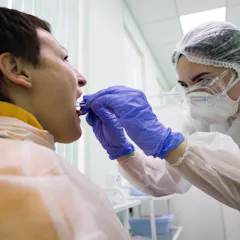
By merging genomics with classical epidemiology, researchers are able to predict new disease outbreaks based on which viral variants are on the rise.

Technology that can identify stray bits of genetic material in the environment can help scientists monitor human and animal health.
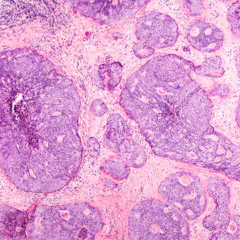
A landmark analysis of the genetic sequences of hundreds of different cancers offers crucial insights into the origins and growth of the disease’s myriad forms.
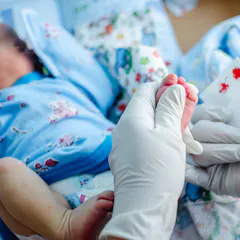
What happens when babies are born critically ill and the doctors have no idea what is wrong? Some argue that a controversial tool called whole genome sequencing may help find the cause.

Genome sequencing is transforming the way we diagnose disease. But lack of diversity in genomic data means only some Canadians will benefit from this revolutionary technology.
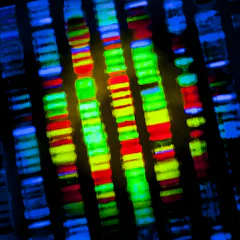
The advent of genetic technologies has been reducing the time and cost attached to diagnosing rare genetic diseases.
It seems like a no brainer to edit out genetic disease…until we pause to consider what would be lost.
Top contributors
-

Head of the Clinical Unit of Medical Genetics and Genetic Counselling, Stellenbosch University
-
Specialist Scientist, Tuberculosis Host Genetics, Division of Molecular Biology and Human Genetics, Department of Biomedical Sciences, Stellenbosch University
-
Junior Fellow, MacEachen Institute for Public Policy and Governance; Medical Student, Dalhousie University
-
Post-doctoral research fellow in the division of Molecular Biology and Human Genetics, Stellenbosch University
-
Professor in Medicine, Ethics and Society, University of Warwick
-
Specialist Rheumatologist, Senior Lecturer in Paediatrics and Child Health, Stellenbosch University
-
Postdoctoral fellow in the Division of Molecular Biology and Human Genetics, Department of Biomedical Sciences, Stellenbosch University
-
Researcher in the Division of Molecular Biology and Human Genetics, Stellenbosch University
-
Professor in the Division of Molecular Biology and Human Genetics in Department of Biomedical Sciences, Stellenbosch University
-
Professor of Population Health & Reproduction, University of California, Davis
-
Professor of Human Genetics and Chief of Medical Genetics, University of Pittsburgh
-
Chair Precision Medicine, Monash University
-
Ph.D. Student in Integrative Pathobiology, University of California, Davis
-
Professor of Pediatrics and Chief of UPMC Division of Newborn Medicine, University of Pittsburgh
-
Ph.D. Candidate in Molecular and Cell Biology, University of Connecticut