
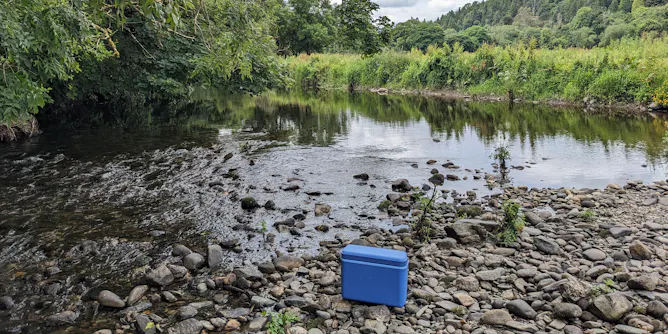
Environmental DNA contained in a small sample of water, sand or even air can reveal the presence of people, wildlife and pathogens, helping researchers track where they’ve migrated.
Articles on Genomic sequencing
Displaying 1 - 20 of 23 articles
From the Black Death to the COVID-19 pandemic, combining the genetic data of a pathogen with historical records, archaeological artifacts and epidemiological studies can uncover its origins.
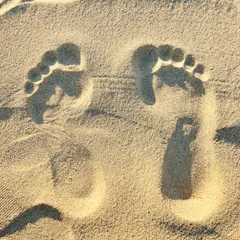
Environmental DNA provides a wealth of information for conservationists, archaeologists and forensic scientists. But the unintentional pickup of human genetic information raises ethical questions.
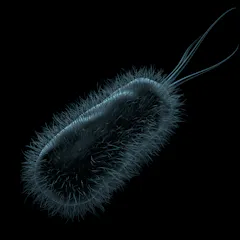
A new ‘rule book’ for naming genomically sequenced bacteria is a boon for science.

Financial support for science and research in Nigeria remains pathetic. This has led to the deterioration in the quantity and quality of trained virologists at universities.
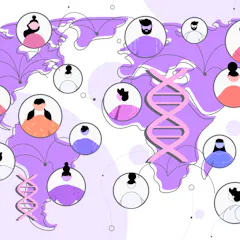
Existing genetic data and sequencing tools are overwhelmingly based on people of European ancestry, which excludes much of the rich genetic variation of the world.
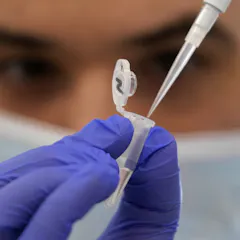
A medical genomics professor reflects on how lab simulations offer some advantages for student learning, but developing the muscle memory of performing hands-on lab work is important.
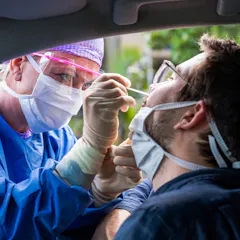
Revolutions in genome sequencing have been used to track COVID-19 in near real time.
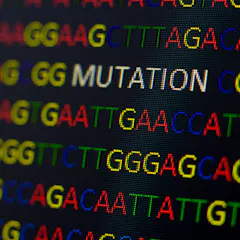
DNA sequencing has allowed researchers to catch new COVID-19 variants hours after receiving the first positive test sample.
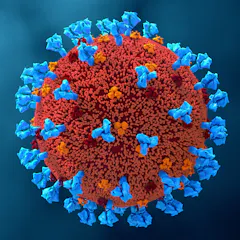
This new sub-variant of the delta has gained a foothold in the UK.
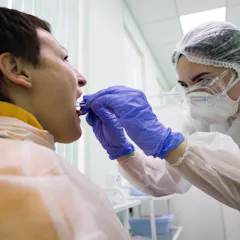
By merging genomics with classical epidemiology, researchers are able to predict new disease outbreaks based on which viral variants are on the rise.
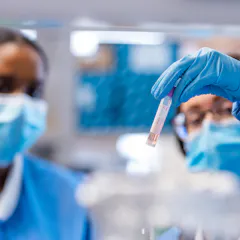
The US lags in testing coronavirus samples from COVID-19 patients, which can help track the spread of the virus and the emergence of new variants. But labs are ramping up this crucial surveillance.
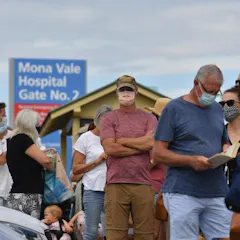
The cluster in Sydney’s northern beaches is likely linked to a US strain of the virus. But no one knows how it got there.

Genomic sequencing of positive COVID-19 samples could help New Zealand pinpoint the source of its new community outbreak. But it only works if all samples are sequenced – and right now, they’re not.
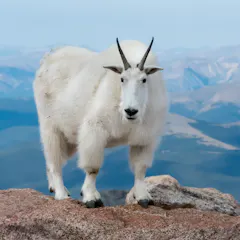
As mountain goats face pressures from climate change and human disturbance, analyzing their genome provides useful information on their ecology and evolution.
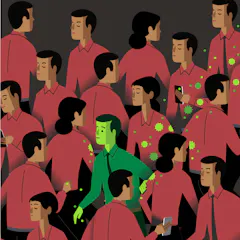
On a family camping trip over the Australia Day long weekend, I sat in a tent with my laptop, designing New South Wales’ first genomic sequencing test for COVID-19.

Pancreatic cancer has historically had among the lowest survival rates of any type of cancer. A recent study that looked at genomic changes reveals some possible clues.
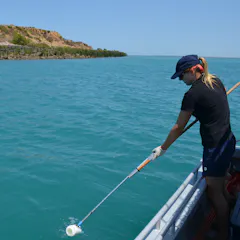
DNA sequencing means a scientist can take a bucket of seawater and ID every fish in the area. Now we need a universal ‘biobank’ of samples to make a truly powerful environment monitoring tool.
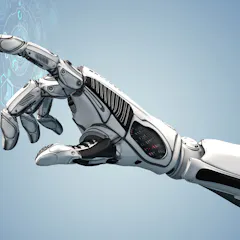
In 2030, there is a boom in precision medicine, where diseases – from cancer to dementia – are defined and targeted more specifically with a focus on their molecular makeup.
The advent of genetic technologies has been reducing the time and cost attached to diagnosing rare genetic diseases.
Top contributors
-

Professor of Breast Cancer Research, Institute of Health and Biomedical Innovation and School of Biomedical Sciences,, Queensland University of Technology
-
Adjunct Research Scientist in Marine Bioscience, University of Florida
-
Bertalli Chair in Cancer Medicine and Director of Research for the Centre for Cancer Research, The University of Melbourne
-
Researcher in the Division of Molecular Biology and Human Genetics, Stellenbosch University
-
Professor, Faculty of Law, University of Technology Sydney
-
Professor of Environmental Genomics, Curtin University
-
Specialist Scientist, Tuberculosis Host Genetics, Division of Molecular Biology and Human Genetics, Department of Biomedical Sciences, Stellenbosch University
-
Professor, Central Clinical School, Monash University
-
Emeritus Professor of Law, University of Tasmania
-
Associate Professor, School of Biomedical Sciences, Queensland University of Technology
-
Head of the Clinical Unit of Medical Genetics and Genetic Counselling, Stellenbosch University
-
Leader, Environomics Future Science Platform, CSIRO
-
Specialist Rheumatologist, Senior Lecturer in Paediatrics and Child Health, Stellenbosch University
-
Professor in the Division of Molecular Biology and Human Genetics in Department of Biomedical Sciences, Stellenbosch University
-
Honarary Professor in Environmental Genomics, University of Otago