
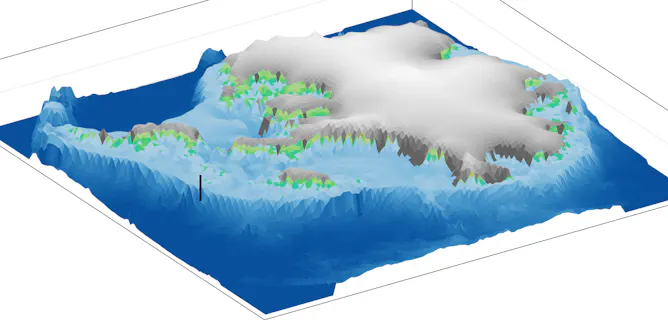
A picture of what West Antarctica looked like when its ice sheet melted in the past can offer insight into the continent’s future as the climate warms.
Articles on West Antarctic ice sheet
Displaying all articles

There could be an irreversible retreat of parts of the ice sheets, raising sea levels much faster than currently planned.
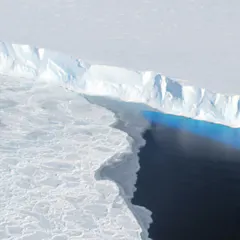
Antarctica’s riskiest glacier is a disaster in slow motion, a polar scientist writes. But in a rare bit of good news, the worst-case scenario may be off the table.

Some 7,000 years ago, West Antarctica’s ice sheet retreated, most likely driven by warmer ocean currents slipping under the ice. This could happen again – unless we cut emissions fast.

Pine Island Glacier passed a tipping point decades ago, and it could do again in the future.
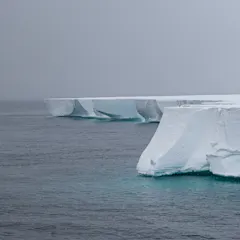
Seafloor sediments from beneath the Ross Ice Shelf represent an archive of warmer periods in Earth’s past. An ambitious international project aims to uncover what we can learn about our hotter future.
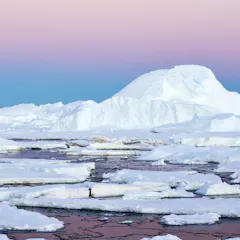
Humanity has lost control of West Antarctic ice-sheet melting.

The Pacific Ocean is entering the hot phase of its temperature cycle, an event that will turbo-charge global warming.

A recent paper suggested damaging climate tipping points could be closer than first thought.
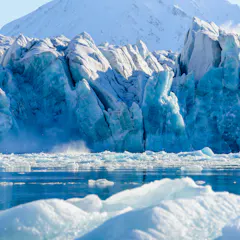
A new modelling approach improves projections of Antarctica’s future ice loss. It shows a low-emissions scenario would avoid the collapse of West Antarctica’s ice sheet and limit sea-level rise.

The latest report on climate science comes on the heels of heatwaves, wildfires, flooding and storms. It will help policy-makers act on plans to curb emissions or adapt to climate change.
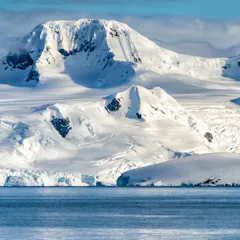
When Antarctica’s land-based ice melts, the land bounces up slightly as the weight of the ice lifts. This affects sea levels across the world, but not enough to offset sea-level rise.

Living sustainably has its challenges, but none greater than in the climate and geography of Antarctica.

Applied games can help us to tackle problems like climate change by appealing to players’ hearts and minds.
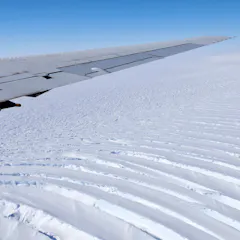
Scientists have found that the bedrock underneath the West Antarctica Ice Sheet has the potential to rebound in response to melting faster than thought, which could act to stabilize the ice.
Top contributors
-

Ice Sheet & Climate Modeller, Te Herenga Waka — Victoria University of Wellington
-
Researcher in Earth System Resilience, University of Sussex
-
Professor of Glaciology, Te Herenga Waka — Victoria University of Wellington
-
Senior Lecturer in Palaeoclimate, Te Herenga Waka — Victoria University of Wellington
-
General Manager Atmosphere and Climate, Earth Sciences New Zealand
-
Professor of Marine Micropaleontology, University of Kiel
-
Lecturer, Computer Games, Glasgow Caledonian University
-
Research Fellow of Antarctic Science, Northumbria University, Newcastle
-
Assistant Professor in Geology, Binghamton University, State University of New York
-
Postdoctoral researcher in geodynamics, Technical University of Denmark
-
Assistant Professor in Physical Geography and Environmental Science, Northumbria University, Newcastle
-
Research Fellow in the Department of Geography and Environmental Sciences, Northumbria University, Newcastle
-
NASA Postdoctoral Fellow, NASA
-
Professor of Natural and Environmental Sciences, University of Toyama
-
Research Scientist, ETH Zurich