

New research shows tides influence how ocean heat is transported under Antarctica’s floating ice shelves, changing the energy available to melt the ice from below.
Articles on Ross Ice Shelf
Displaying all articles

A four-year record from the heart of the Ross Ice Shelf shows how subtle changes could shape future sea level rise, ocean ecosystems – and even our weather.

The Antarctic ice sheet is nearly twice the area of Australia and holds enough freshwater to raise global sea levels by 58 metres.

Some 7,000 years ago, West Antarctica’s ice sheet retreated, most likely driven by warmer ocean currents slipping under the ice. This could happen again – unless we cut emissions fast.

Ocean warming seems the main driver of Antarctica’s sea-ice loss. But as satellites show, the change is not universal and sea ice persists in East Antarctica and the Weddell Sea.
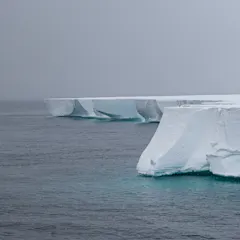
Seafloor sediments from beneath the Ross Ice Shelf represent an archive of warmer periods in Earth’s past. An ambitious international project aims to uncover what we can learn about our hotter future.
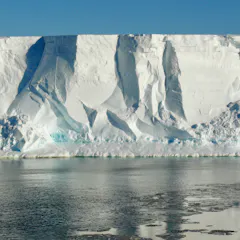
A high-tech expedition to sample the ocean under Antarctica’s Ross Ice Shelf confirms what the earliest explorers thought: everywhere we look we find microbes, scavenging any energy source available.
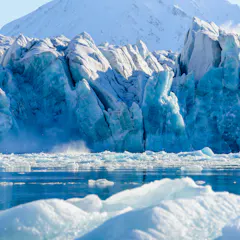
A new modelling approach improves projections of Antarctica’s future ice loss. It shows a low-emissions scenario would avoid the collapse of West Antarctica’s ice sheet and limit sea-level rise.

Latest research explores how a warming ocean circulates underneath Antarctica’s floating ice shelves and how this contributes to future sea level rise.

New research shows that ocean and air temperatures both contributed to the melting of Antarctica’s Ross Ice Shelf in the past, but melting from below by a warming ocean became more important over time.
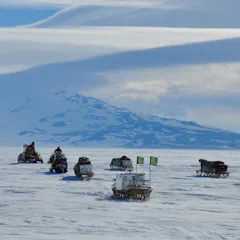
Parts of Antarctica’s largest ice shelf are melting ten times faster than the rest of the shelf, and solar heated waters below the ice are to blame.
Top contributors
-

Professor in Glaciology, University of Otago
-
Ice Sheet & Climate Modeller, Te Herenga Waka — Victoria University of Wellington
-
Professor in Ocean Physics, University of Auckland, Waipapa Taumata Rau; Earth Sciences New Zealand
-
Marine Physicist, Earth Sciences New Zealand
-
Professor of Glaciology, Te Herenga Waka — Victoria University of Wellington
-
Research Scientist, ETH Zurich
-
General Manager Atmosphere and Climate, Earth Sciences New Zealand
-
Professor of Isotope Geochemistry, Imperial College London
-
NASA Postdoctoral Fellow, NASA
-
Associate Professor of microbial oceanography, Universität Wien
-
Environmental Data Scientist, GNS Science
-
Associate Professor of Microbial Ecology, University of Otago
-
Postdoctoral Researcher in marine microbiology, ETH Zurich
-
PhD Candidate in Physical Oceanography, University of Auckland, Waipapa Taumata Rau
-
Principal Scientist, Australian Antarctic Division