
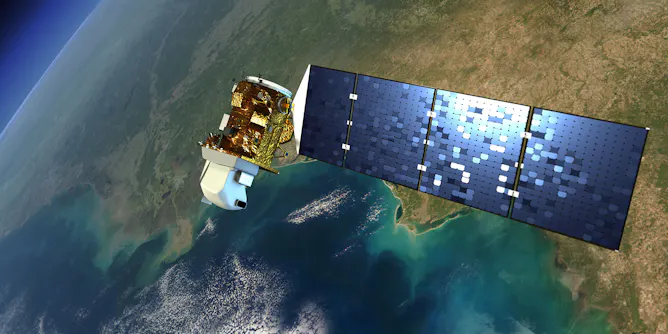
When Indigenous peoples lose their river flow to dams, satellite programs like Landsat – which is celebrating its 50th anniversary – can help them fight for their resources.
Articles on Water supply
Displaying 41 - 60 of 69 articles

Clearing alien trees before the drought hit could have reduced the impact of climate change on water supply during the ‘Day Zero’ drought.

Glaciers in North America, Europe and the Andes, in particular, have significantly less ice than people realized.
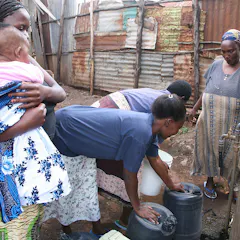
The manner in which people access water differs according to income. People in high- and middle- income areas tend to have piped connections in their homes.
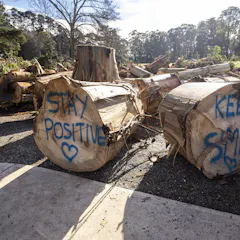
Three suburbs in Victoria have been warned against drinking tap water — even if they boil it first.

Given long-term forecasts for growing urban populations and an increasingly variable climate, local authorities will have to think about how best to encourage people to conserve water.
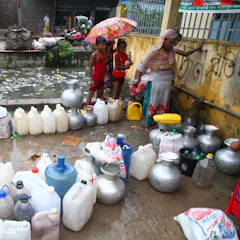
Water is essential for health, economic well-being and social equity, but too many people around the world still don’t have access to clean drinking water and sanitation.
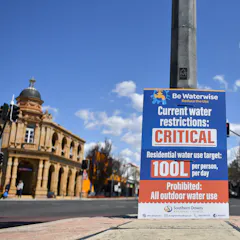
Five capital city water storages fell over summer, and some appear to be facing dramatic long-term declines. Late drenching rains fell on southeastern Australia, but some unlucky centres missed out.
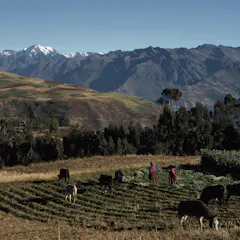
Global heating could reduce mountain glacier snow and ice by up to 80% by 2100, threatening major drinking water supplies.
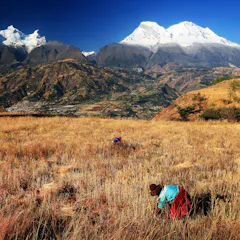
Peruvian glaciers have shrunk by 25% since 1987, causing water shortages in rural villages. But ancient technology could help manage this precious resource.
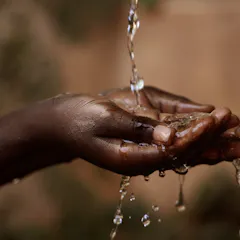
Decision making on water infrastructure in peri-urban areas is challenging. But lessons have been learnt from a water project in Mozambique.
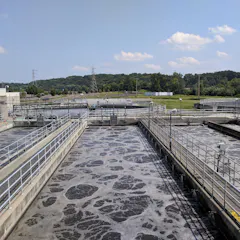
The ‘used water’ that flows from our showers, dishwashers and toilets isn’t a waste to engineers – it contains valuable materials. The challenge is recovering them and turning them into products.

Cities relied entirely on conserving and recycling water to get through the last big drought. We now have desalination plants, but getting the most out of our water reserves still makes sense.
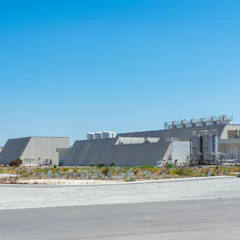
Sydney and Melbourne are bringing desalination plants back on stream and Adelaide plans to increase its plant’s output. Perth depends on desalination. But is it the best way to achieve water security?
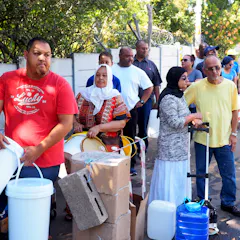
Water supply systems weren’t designed to deal with altering weather patterns brought about by climate change. This needs to change.
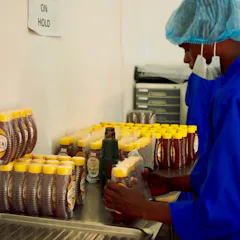
Water and power cuts prompted by reduced rainfall and drought in Southern Africa have caused major problems for business.
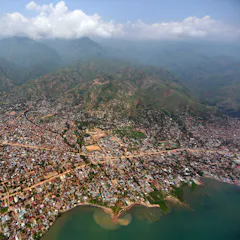
In the fight against cholera, new research in the DRC suggests that the rehabilitation of water networks would be more sustainable than other interventions whose effectiveness is debatable.
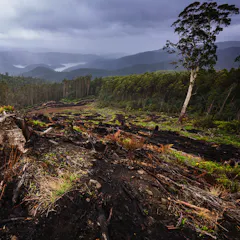
Logging in the Thomson Catchment could reduce water supply by the equivalent of 600,000 people by 2050.
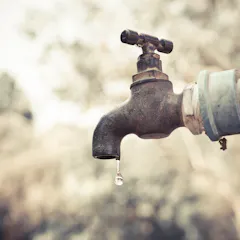
South Africa is a water stressed country but crisis point can be avoided.

Energy-efficient water supply is a wicked problem – and we might have found a way to solve it.
Top contributors
-

Associate Professor in Environmental Science, Western Sydney University
-
Senior Lecturer, Western Sydney University
-
Professor and Head of School of Civil Engineering, University of Sydney
-
Senior Research Scientist in Climate, North Central Climate Adaptation Science Center & Cooperative Institute for Research in Environmental Sciences, University of Colorado Boulder
-
Senior Researcher in Hydro-Climatology, University of Cape Town
-
Research Chair, African Climate and Development Initiative, University of Cape Town
-
Professor of Earth's Water, Cardiff University
-
Senior Lecturer/Scientist, University of Neuchâtel
-
Senior Scholar in Environmental & Geographical Science, University of Cape Town
-
Chief Research Specialist., Human Sciences Research Council
-
Lecturer in Hydrogeology, School of Environmental and Life Sciences, University of Newcastle
-
Assistant Professor, London School of Economics and Political Science
-
Marie-Curie Research Fellow, Institut Català de Recerca de l'Aigua (ICRA)
-
Professor and Research Theme Leader of the Flourishing Life Research Theme, University of the Free State
-
Professor and Head of Infectious Diseases Epidemiology Unit, School of Public Health and Preventive Medicine, Monash University