
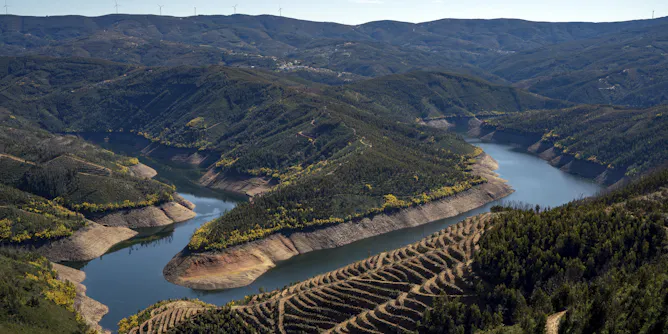
If the world overshoots its climate targets, drought could cause dryland areas to expand by a quarter and encompass half the Earth’s land area, threatening lives and livelihoods.
Articles on Water shortage
Displaying 41 - 60 of 93 articles
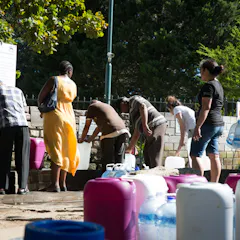
CC BY-NC-ND21.5 MB (download)
Academic research can have a direct impact on people's lives. It's crucial to come together to deal with problems like climate change. If we don't, the poor and vulnerable will suffer the most.
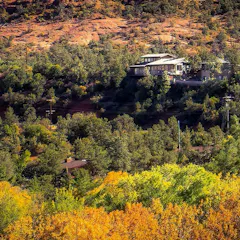
A new study maps vegetation’s fire risk across the West and shows where population in the highest-risk areas from California to Texas is booming.
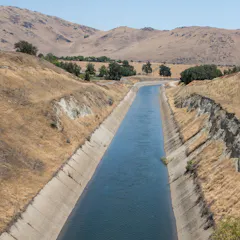
Long before climate change was evident, California began planning a system of canals and reservoirs to carry water from the mountains to drier farms and cities. It’s no longer enough.
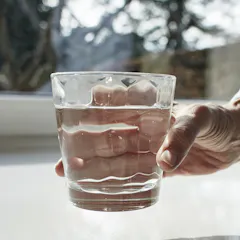
As surface water diminishes in the Western US, people are drilling deeper wells – and tapping into older groundwater that can take thousands of years to replenish naturally.
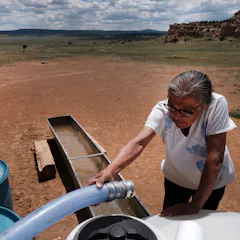
Cities and farmers in the Southwest are resorting to unsustainable strategies to pull in more water. Iran has tried many of these strategies and shows how they can go wrong.
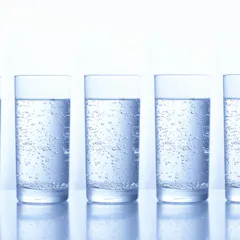
Desalination can help meet growing water needs globally. But toxic wastewater and inefficiency hamper current techniques. A new approach uses custom membranes to clean water more easily.
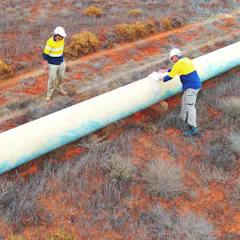
Pipelines, dams, gadgets: does water management really need to be all about control and power? Adopting less masculine ideas and working with nature may be more prudent.
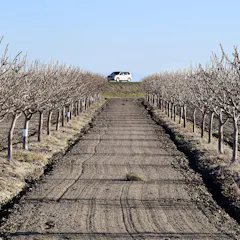
The US has one of the highest groundwater use rates in the world. When wells run dry, households may opt to conserve water, find new sources or sell and move.
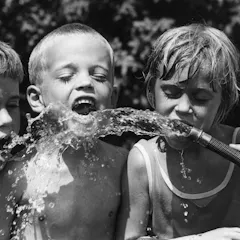
The world’s first futures market for water launched in California in December. Two commodities experts explain how it works, what the potential problems are and why there’s no reason to freak out.
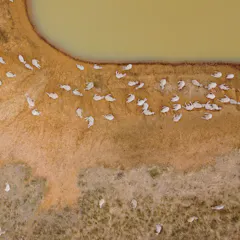
This is not an imaginary future dystopia. It’s a scientific projection of Australia under 3°C of global warming – a future we must both strenuously try to avoid, but also prepare for.
It’s possible to feed the world’s 7.8 billion people with more environmentally friendly farming practices. Here’s how.
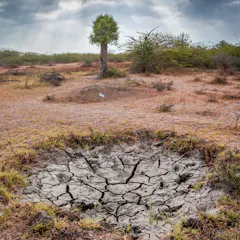
From capturing fog to towing icebergs, these technologies could help reduce water shortages.
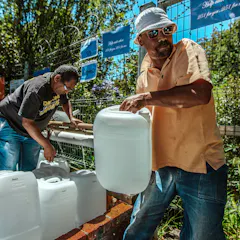
The projected loss of water storage on land as global temperatures rise is especially alarming in the Southern Hemisphere – and in parts of the US.

To continue to sustain or grow populations — and economies — more is going to have to be done with the same amount of water, or even less.
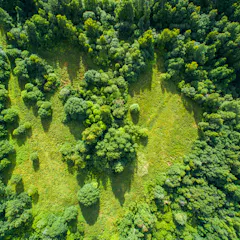
Although China’s tree-planting efforts have increased carbon sequestration for climate mitigation and protected the soil from erosion, they have also led to drastic water shortages.
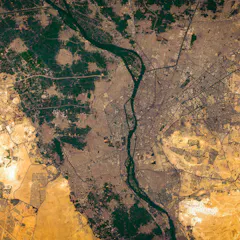
Despite more rainfall, devastating hot and dry spells are projected to become more frequent in the Upper Nile basin in the future.
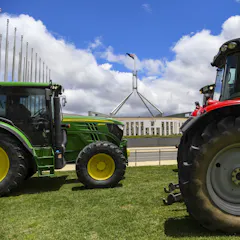
The Nationals have stoked opposition to the Murray Darling Basin Plan at every opportunity. Now they cannot contain the fury of rural voters.
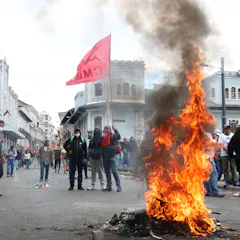
Climate change is already worsening the chaos attendant on resource shortage – and, therefore, death rates.

It’s long been known that our diet choices help determine our carbon footprint. But do you know which of your favourite foods are the most water-hungry?
Top contributors
-

Executive Co-Director, Institute for Water, Environment and Health (UNU-INWEH), United Nations University; Technical University of Hamburg
-
Postdoctoral Research Fellow, Global Change Institute, University of the Witwatersrand
-
Senior lecturer, Nelson Mandela University
-
Visiting Adjunct Professor, School of Governance, University of the Witwatersrand
-
Associate Professor of Environmental Studies, University of California, Santa Barbara
-
Professor of Law, Texas A&M University
-
Professor, University of the Witwatersrand
-
Deputy Director of the United Nations Institute for Water, Environment and Health (UNU-INWEH), United Nations University
-
Senior research scientist, Stellenbosch University
-
Adjunct Professor of Environmental Studies, Tel Aviv University
-
Associate Professor of Water Resources, University of California, Santa Barbara
-
Former Director of the Institute for Water, Environment and Health (UNU-INWEH), United Nations University
-
Professor of Aquatic Ecosystem Ecology, University of Calgary
-
Associate professor in the Department of Civil Engineering and interim Director of the Future Water research institute at the University of Cape Town, University of Cape Town
-
SA Research Chair in Climate Change, University of Cape Town