
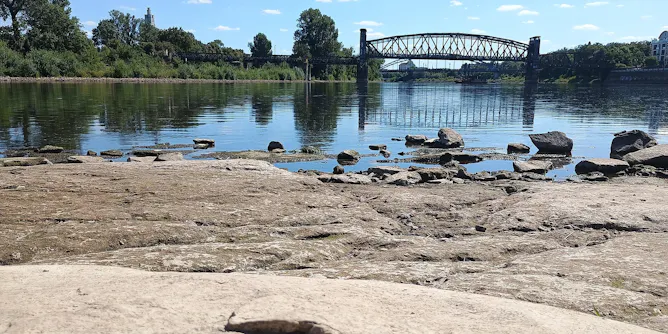
To protect our planet’s waters, we need to better understand these new economic and technological factors that underlie disputes over water.
Articles on Water rights
Displaying 1 - 20 of 26 articles
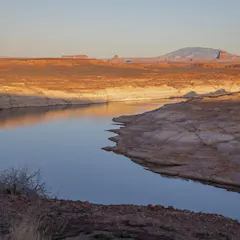
The current Colorado River negotiations process includes all five of the most common sources of conflict in any process seeking compromise.

Egypt and Sudan’s insistence on keeping their historical water shares cannot be considered equitable and reasonable.
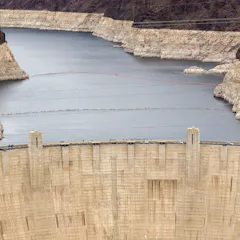
Long-standing water-use agreements allocate more water than the river and its basin actually contain, forcing users to cut back and face future shortages as well.
Inconsistent laws and penalties for water theft in the Murray-Darling Basin make compliance and enforcement especially challenging. But it doesn’t have to be this way.
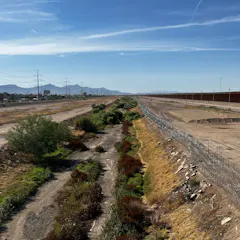
When the Rio Grande figures in US news reports, it’s usually in relation to stories about immigration, drug trafficking or trade. But the river is also an important water source – and it’s shrinking.
Once again, First Nations in the Murray-Darling Basin have been shortchanged in water reform and shortchanged in the water market. It’s time to listen and actually deliver tangible outcomes.
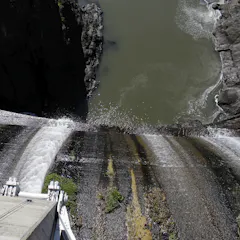
The largest dam removal project is moving forward on the Klamath River in California and Oregon. Tribal nations there have fought for decades to protect native fish runs and the ecology of the river.
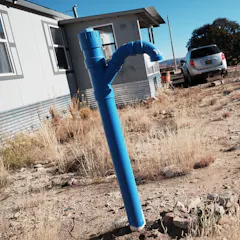
By a narrow margin, the Supreme Court has ruled against the Navajo Nation in a case over water rights in the drought-stricken US Southwest.

In the struggle against aqua nullius, Indigenous people’s right to make decisions about water on Country is a priority.
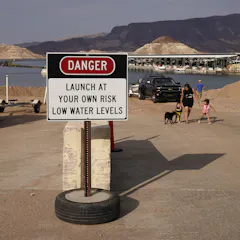
A Western scholar proposes allocating water from the Colorado River based on percentages of its actual flow instead of fixed amounts that exceed what’s there – and including tribes this time.
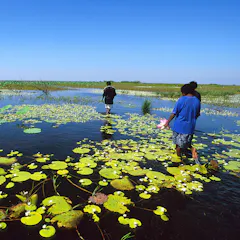
History is being repeated with the Northern Territory government finding ways to stop Aboriginal people from gaining access to water to use or trade.
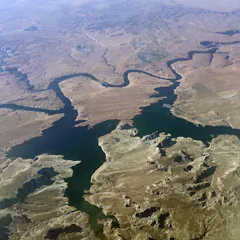
The Supreme Court recently dealt defeat to Florida in its 20-year legal battle with Georgia over river water. Other interstate water contests loom, but there are no sure winners in these lawsuits.
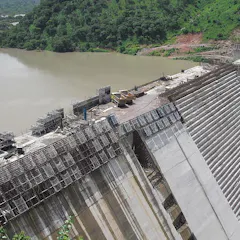
Dam politics have resurfaced in Africa as the continent’s urban population grows.
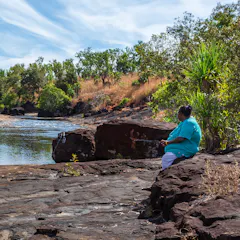
First Nations people have almost no say in how water is used in Australia. The Productivity Commission’s latest report does little to address that.
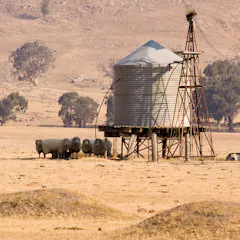
A major new report from the Productivity Commission calls for an overhaul of Australia’s 17-year-old policy on water.

The decision recognises that water rights are critical for Indigenous people to restore customs, protect their culture, become economically independent and heal Country.
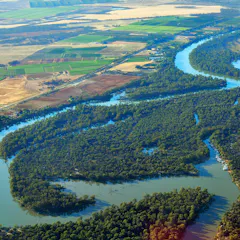
Across the NSW portion of the Murray-Darling Basin, Aboriginal people make up almost 10% of the population. Yet they hold a mere 0.2% of all available surface water.
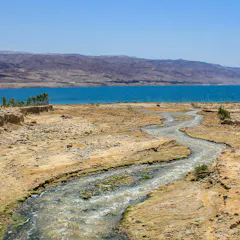
The holy river is used and abused so much that it barely reaches the Dead Sea these days.
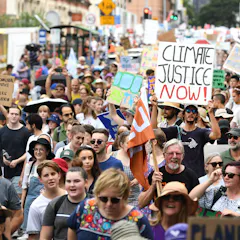
From mass climate change movements to cultural genocide of Uighurs in China, here are some of the headline human rights moments that captured Australia’s attention.
Top contributors
-

Senior Lecturer, Melbourne Law School, The University of Melbourne
-
Professor, Australian Rivers Institute, Griffith University
-
Adjunct Research Fellow, Australian Rivers Institute, Griffith University
-
Indigenous Knowledge
-
Regents Professor Emeritus and Morris K. Udall Professor of Law & Public Policy Emeritus, University of Arizona
-
Indigenous knowledge holder, Indigenous Knowledge
-
Australian Laureate Professor of Economics, Crawford School of Public Policy, Australian National University
-
Professor of Water Security, Graduate Institute – Institut de hautes études internationales et du développement (IHEID)
-
Researcher , International Water Management Institute
-
Professor Emeritus,, Mercy College
-
Reader, Australian Catholic University
-
Research Fellow, Department of Infrastructure Engineering, The University of Melbourne
-
Scientia Professor, UNSW
-
Founder, Conflict Medicine Program, American University of Beirut
-
Associate Professor of Environment and Sustainability, University of Michigan