
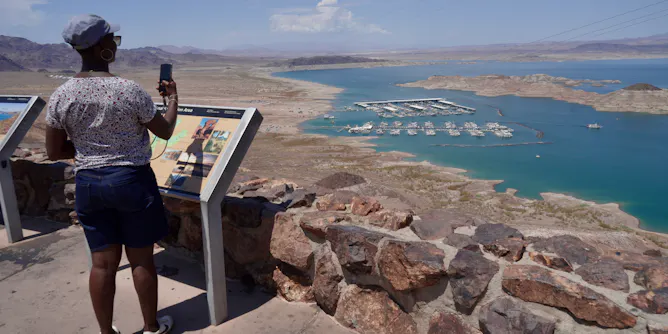
The existing plans and commitments to reduce water use don’t add up to even half of the savings that are needed to keep the river flowing.
Articles on Colorado River Compact
Displaying all articles
The current Colorado River negotiations process includes all five of the most common sources of conflict in any process seeking compromise.
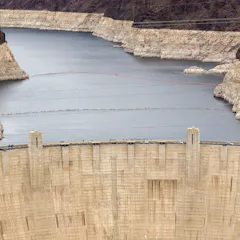
Long-standing water-use agreements allocate more water than the river and its basin actually contain, forcing users to cut back and face future shortages as well.
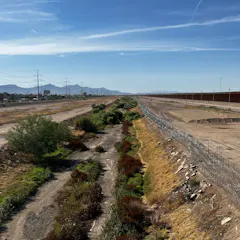
When the Rio Grande figures in US news reports, it’s usually in relation to stories about immigration, drug trafficking or trade. But the river is also an important water source – and it’s shrinking.
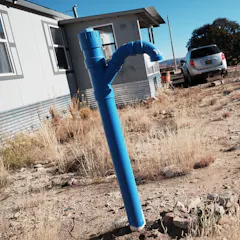
By a narrow margin, the Supreme Court has ruled against the Navajo Nation in a case over water rights in the drought-stricken US Southwest.
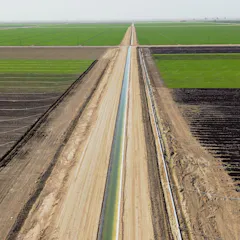
Southwest states have bought time with an agreement between California, Arizona and Nevada to cut Colorado River water use by about 14%. Now comes the hard part.
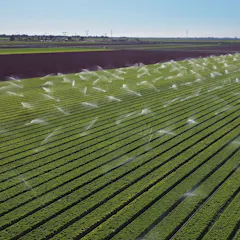
Two decades of drought have reduced the river’s flow by one-third compared to historical averages. The Biden administration is considering mandatory cuts to some states’ water allocations.
Top contributors
-

Regents Professor Emeritus and Morris K. Udall Professor of Law & Public Policy Emeritus, University of Arizona
-
Director of the Kyl Center for Water Policy, ASU Morrison Institute for Public Policy, Arizona State University
-
Associate Professor of Environment and Sustainability, University of Michigan
-
Ph.D. Student in Civil Engineering and Climate Science, Penn State
-
Archivist, Water Resources Archive, Colorado State University
-
Senior Research Scientist, Colorado Water Institute, Colorado State University
-
Associate Professor of Environmental Management and Systems Engineering, George Washington University
-
Professor Emeritus of Political Science, University of Utah
-
PhD Student in Resource Ecology Management, University of Michigan
-
Professor of Environmental Science and Director, Water Resources Research Center, University of Arizona
-
Director, Colorado Water Center, Colorado State University
-
Senior Research Associate and Director, Western Water Policy Program, University of Colorado Boulder
-
Professor of Practice in Water Policy and Governance and Director, Water Resources Program, University of New Mexico