
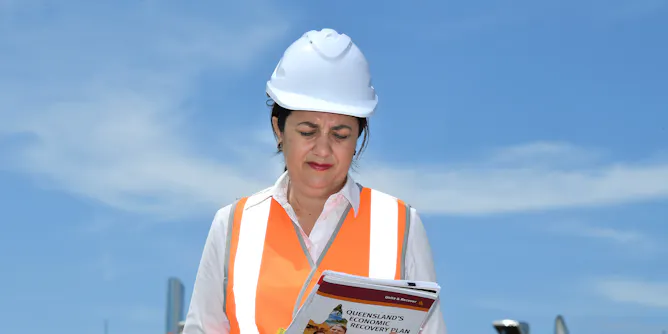
Australian politicians have a history of opting for high-cost, high-emissions desalination projects. The Queensland government is still wary of using the largely untapped resource of recycled water.
Articles on Water resilience
Displaying all articles

Avoid using a hot blow dryer too, as these can wreck the rubber seals and damage the screen.
Infrastructure is often seen as the main way to reduce the impacts of climate-related disasters like floods and drought. But cities are complex systems with many factors affecting their resilience.
Melbourne and Sydney are members of 100 Resilient CIties, which the Rockefeller Foundation has said it will no longer fund. So what has the global network achieved? And what can we learn from this?
Australia’s coastal settlements are highly exposed to the impacts of climate change. Climate-resilient urban landscapes that can cope with large amounts of water need to become the new normal.
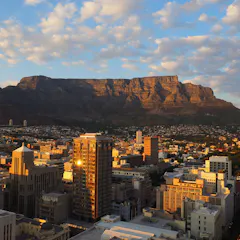
Cape Town faced down “Day Zero” earlier this year, but that doesn’t mean its water system is resilient. Other cities should also take note.
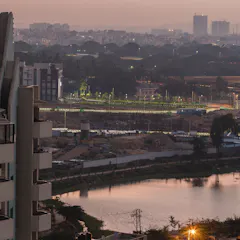
Bangalore’s forgotten water wells are being revived, to help the city overcome centuries-old supply issues.

If you want to live like a local when on holiday, you should defecate like one.
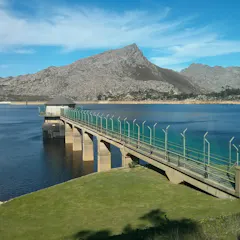
Building resilience in Cape Town’s water sector will require addressing risks like climate change, drought and flooding. Stormwater and groundwater are tipped as potential solutions.
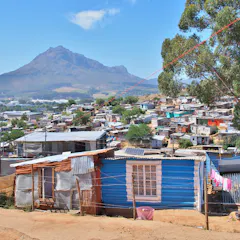
If resilience efforts don’t consider justice issues, they will end up making those who are the most in need the least resilient.
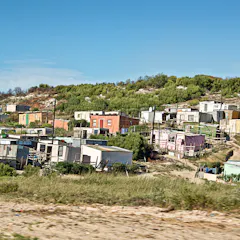
Many African cities are sites of rapid urbanisation. To ensure that such societies are water resilient, it is necessary to address formal and informal forms of development.
Top contributors
-

Doctor of Philosophy, University of British Columbia
-
Professor of Climate Urbanism, University of Sheffield
-
Postdoctoral fellow, University of British Columbia
-
Newton International Fellow, University of Sheffield
-
Associate Researcher, African Climate & Development Initiative and Climate System Analysis Group, University of Cape Town
-
Senior Lecturer in Marketing, University of Nottingham
-
Associate Professor, IRES, Institute for Gender, Race, Sexuality and Social Justice, University of British Columbia
-
Senior Lecturer, School of Environment and Science, Griffith University
-
Professor of Urban Resilience and Pro Vice-Chancellor, University of Bristol
-
Adjunct Research Fellow at the Cities Research Institute, Griffith University
-
Professor, Information and Communications Technology, CQUniversity Australia
-
Emeritus Professor, School of Historical and Philosophical Inquiry, The University of Queensland
-
Associate Professor of Economics, Monash University
-
Lecturer in Human Geography, Monash University
-
Research Fellow in Resilient Cities, The University of Melbourne