
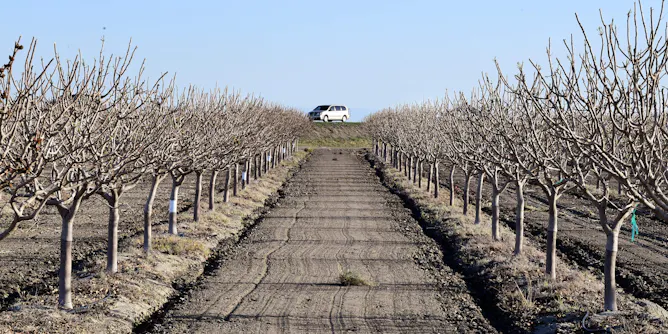
The US has one of the highest groundwater use rates in the world. When wells run dry, households may opt to conserve water, find new sources or sell and move.
Articles on Water conservation
Displaying 21 - 40 of 45 articles
The Supreme Court recently dealt defeat to Florida in its 20-year legal battle with Georgia over river water. Other interstate water contests loom, but there are no sure winners in these lawsuits.

Given long-term forecasts for growing urban populations and an increasingly variable climate, local authorities will have to think about how best to encourage people to conserve water.
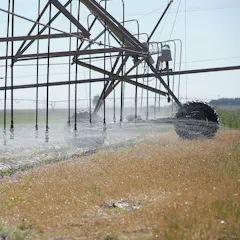
An invisible crisis is brewing in US farm country as the overpumped Ogallala-High Plains Aquifer drains. The key drivers are federal farm subsidies and the tax code.

The Trump administration is rolling back a regulation that requires showerheads to conserve water, which saved owners an average of US$70 and nearly 3,000 gallons of water yearly per showerhead.

The prices households pay for drinking water and wastewater services have been rising faster than the rate of inflation.
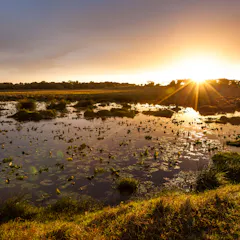
With partnerships between landowners, the government and businesses, South Africa can invest in its wetlands and boost the country’s potable water reserves.
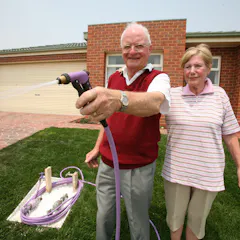
Cities relied entirely on conserving and recycling water to get through the last big drought. We now have desalination plants, but getting the most out of our water reserves still makes sense.
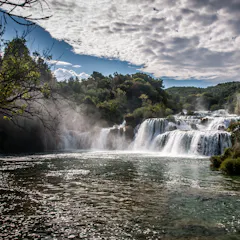
While making small volumes of pure water in a lab is possible, it’s not practical. The reaction is expensive, releases lots of energy, and can cause really massive explosions.
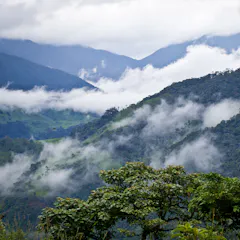
Experiments into the effectiveness of conservation can help us learn what works best.
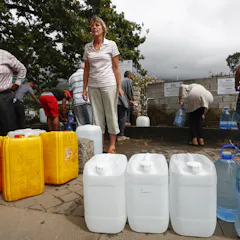
There are measures in place to manage Day Zero and beyond. Models show that these will not work.
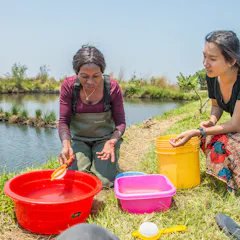
African governments must focus on developing and supporting highly-skilled water professionals.
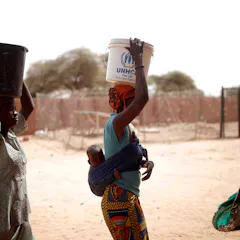
Developing a map of African countries’ water poverty levels offers a transparent analysis for policymakers, governments and organisations that deal with water issues.
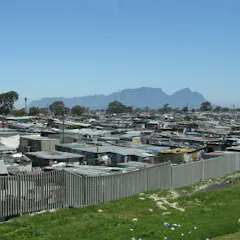
There are a number of myths surrounding Cape Town’s drought, one of them being that the city saw the crisis coming but didn’t prepare for it.
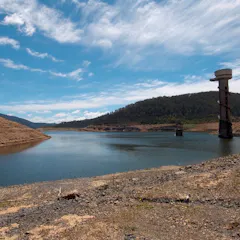
Australian cities have turned to some very costly solutions when water is scarce. But as the world’s second-highest users of water per person, more efficient use and recycling are key.
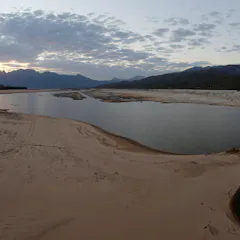
Smart meters may help water saving initiatives as the drought persists in South Africa’s Western Cape. It can help those who need achieve saving targets.
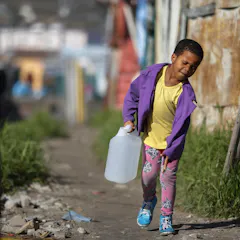
There is an increasing demand for water in cities like Cape Town. The current drought exacerbates this. But there are ways to use and save water sustainably.
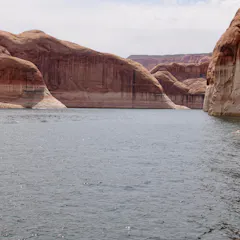
The Colorado River supplies water to millions of people and irrigates thousands of miles of farmland. New research warns that climate change is likely to magnify droughts in the Colorado Basin.
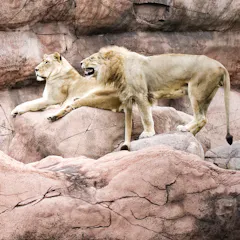
More than 50 animals in a Venezuelan zoo have reportedly died from starvation in the past few months.
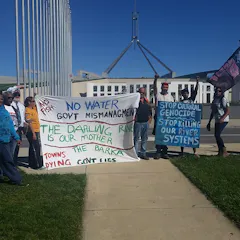
For the Barkindji people, the Darling River has been a symbol of Aboriginal survival since colonial times. Now, the once busy NSW town of Wilcannia is in danger of losing its water.
Top contributors
-

Regents Professor Emeritus and Morris K. Udall Professor of Law & Public Policy Emeritus, University of Arizona
-
Senior Research Scientist, Colorado Water Institute, Colorado State University
-
Professor of Law, Texas A&M University
-
Associate Professor in Environmental Science, Western Sydney University
-
Director of the Kyl Center for Water Policy, ASU Morrison Institute for Public Policy, Arizona State University
-
Postdoctoral Research Fellow, Global Change Institute, University of the Witwatersrand
-
Adjunct Associate Professor in History, University of New England
-
Distinguished Professor of Engineering, University of California, Merced
-
Public policy advice, Australian National University
-
Postdoctoral research associate, Wilkes Center for Climate Science & Policy, University of Utah, University of Cambridge
-
Professor of Conservation Science, Bangor University
-
Senior Lecturer, Western Sydney University
-
Visiting professor, University of Saskatchewan
-
Portfolio Leader (Society, Culture & Policy), Manaaki Whenua - Landcare Research
-
Samual A. Graham Dean, and William B. Stapp Collegiate Professor of Environmental Education, School for Environment and Sustainability, University of Michigan