
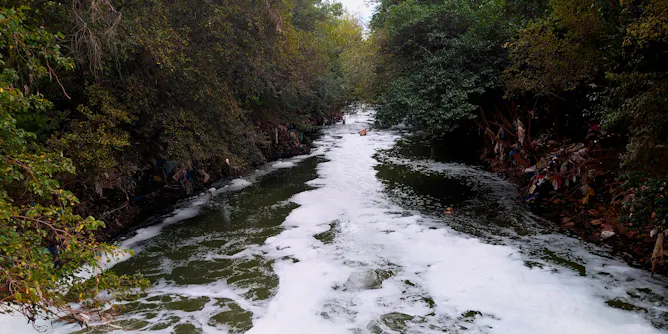
After harmful bacteria are removed by water treatment, the genetic information that enables antimicrobial resistance can persist.
Articles on Wastewater testing
Displaying all articles

One report says methamphetamine use is rising. Another says it’s falling. So what’s going on?

We sampled sewage sludge from 13 wastewater treatment plants across three states. We found every resident adds microplastics to farmland, in dried sewage sludge (biosolids) used as fertiliser.

We detected 180 contaminants in treated and untreated water. None of those found in treated water breached human health guidelines, but we should not forget about potential impacts on the environment.

Nearly all the wastewater samples from aircraft arriving in the UK showed evidence of COVID-infected passengers on board.
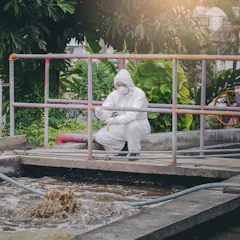
The COVID-19 pandemic has seen an increase in wastewater testing to monitor the spread of the virus. But historical cases show that targeted surveillance can further marginalize vulnerable populations.

When humans eat fish, mussels and other foods containing antibiotics, the residual antibiotics may cause bacterial pathogens to become resistant.
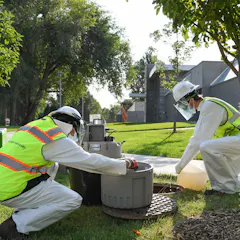
Over 800 sites across the US report coronavirus data from sewage to the CDC. Here’s how this kind of surveillance system works and what it can and can’t tell you.
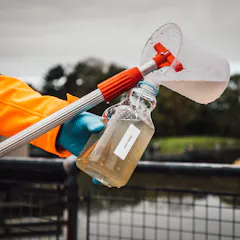
An unexpected legacy of COVID could be a new system for monitoring public health.

Without genome sequencing, we would be blind to new variants of COVID-19. As Omicron surges in New Zealand, the sequencing focus is shifting to learning about what causes severe or long-term disease.
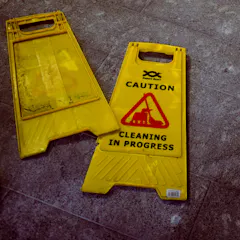
As we move through the ongoing COVID-19 pandemic, new predictive methods of testing can help monitor the spread of the disease. Environmental testing, like swabbing floors, is a useful tool.

Technology that can identify stray bits of genetic material in the environment can help scientists monitor human and animal health.
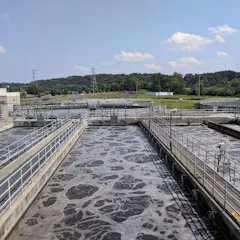
As the world waits for vaccines against COVID-19, testing wastewater can give communities and smaller locales, such as school districts, valuable signals about infections trends.

Detection of a virus in wastewater implies the presence of infected people in a community. It’s not quite so simple though.
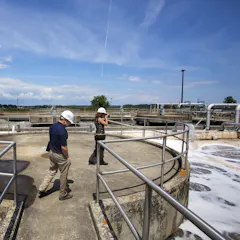
Sewage surveillance is one technique that can alert authorities to the presence of a pathogen in the community. An environmental engineer explains the state of the science when it comes to SARS-CoV-2.

Scientists in Spain have reported finding traces of the novel coronavirus in wastewater dating back to March 12, 2019.

The government plans to monitor sewage for the SARS-CoV-2 coronavirus. And while this holds promise to tracking future local outbreaks, there are also some sticky ethical questions to consider.
Top contributors
-

Professor of Soil and Environmental Science, Bangor University
-
Lecturer, Griffith University
-
Environmental Virologist, School of Natural Sciences, Bangor University
-
Professor of Microbiology, Immunology and Pathology, Colorado State University
-
Assistant Professor of Human Geography, Queen's University, Ontario
-
Associate Professor of Environmental Engineering, University of Notre Dame
-
Regents Professor Emeritus and Morris K. Udall Professor of Law & Public Policy Emeritus, University of Arizona
-
Researcher, University of Cape Town
-
Postdoctoral associate, University of Florida
-
Professor and Head of School of Civil Engineering, University of Sydney
-
Adjunct Professor at the National Drug Research Institute (Melbourne based), Curtin University
-
Principal Scientist, UK Centre for Ecology & Hydrology
-
Research Fellow, Virology, Glasgow Caledonian University
-
Associate Professor, Adelaide University
-
Assistant Professor, Geography, University of British Columbia