

Our lives are intertwined with animals, insects and birds – we should consider them more when we design our cities.
Articles on Wasps
Displaying 21 - 40 of 51 articles
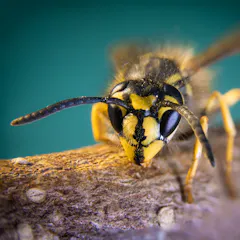
Why you shouldn’t get in a flap over reports that swarms of wasps are descending on Britain.
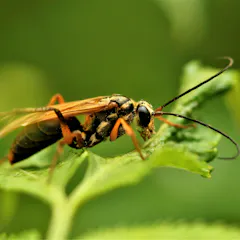
New research showed a type of wasp which eats its own siblings.
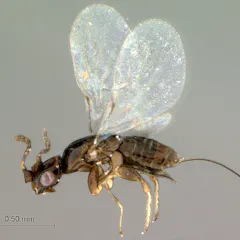
Assuming that natural selection shapes all animal and plant traits is a false impression. Natural selection is a mindless process.
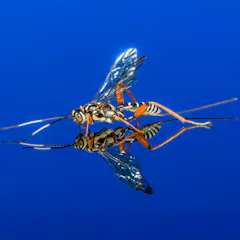
Parasitic wasps are body-snatchers — if you’re an insect. But these much-maligned creatures have saved millions of human lives by controlling the spread of the cassava mealybug.
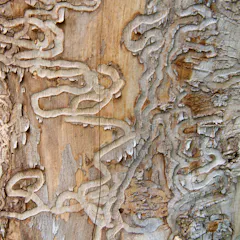
Biological control strategies curb pests using other species that attack the invader. A biologist explains why it can take more than a decade to develop an effective biological control program.

Inserting electrodes into insects helps scientists understand what attracts these insects – and, stemming from that, how to trap them and protect crops.
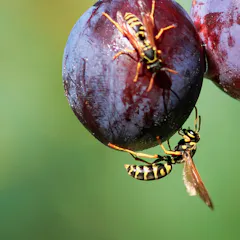
We value bees for the jobs they do for the environment and us – why is the same not true of wasps?
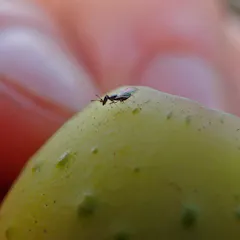
As invasive species transform the world, frontline agencies take solace that species needing unique partners can’t invade alone. A new study on figs shows they may find new partners to invade anyway.
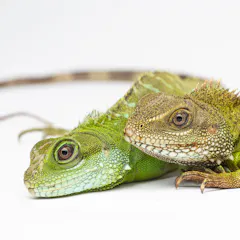
Parthenogenesis, a form of reproduction in which an egg develops into an embryo without being fertilized by sperm, might be more common than you realized.

Trump was the first US president from New York City since Teddy Roosevelt, but he was never a hometown hero. City residents celebrated after Biden’s win and again after Trump’s conviction.
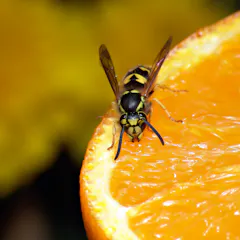
Finally we have a word to describe why wasps bother you in late summer: furlough.
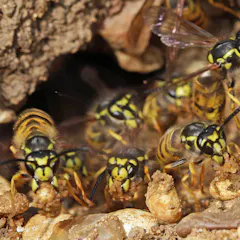
The invasive species was likely brought to Australia unintentionally by ship. Now found in every state and territory, the wasps are decimating our ecosystems.
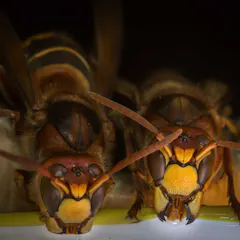
Bees aren’t the only species that has a queen.
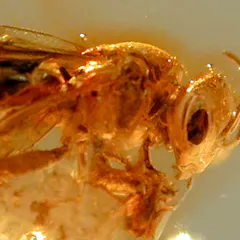
How do we know that bees were around when dinosaurs still roamed the Earth? The main evidence comes from fossils – the mineralized remains of long-dead organisms.
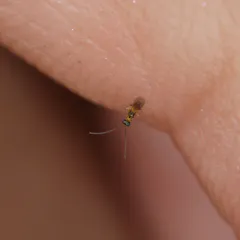
Tiny fairy wasps are so small they can lay their eggs inside other insects eggs, but they punch above their weight when it comes to keeping pests down.
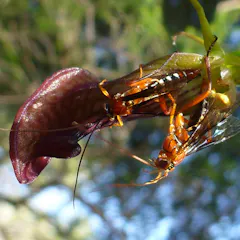
You can barely communicate with your kids, but these creatures are sending complex interspecies instructions.
Bees and wasps can recognise people’s faces – despite having less than one million brain cells, compared to 86,000 million brain cells that make up a human brain.

Killing insects, as the Big Wasp Survey asked people to do, contributed to many vital advances in science.

Indigenous biocontrol agents could be used to curb the spread of invasive wasps across South Africa and into sub-Saharan Africa.
Top contributors
-

Professor of Behavioural Ecology, UCL
-
Associate Professor, Department of Physiology, Monash University
-
Senior Lecturer in Ecology, University of Otago
-
Professor in Genetics, University of Pretoria
-
Research Fellow, School of Biological Sciences, Monash University
-
Senior Lecturer in Biological Sciences, Macquarie University
-
Postdoctoral research associate, Newcastle University
-
Professor of Bioscience Education, University of Hull
-
Postdoctoral Fellow in Integrative Biology, The University of Texas at Austin
-
Senior Lecturer in Insect Diversity, Stellenbosch University
-
Senior lecturer, The University of Melbourne
-
Professor of Conservation Ecology, University of Gloucestershire
-
Assistant Director of the Global Systems Institute, University of Exeter
-
PhD researcher, University of East Anglia
-
Lecturer in Animal Biology, University of Leeds