
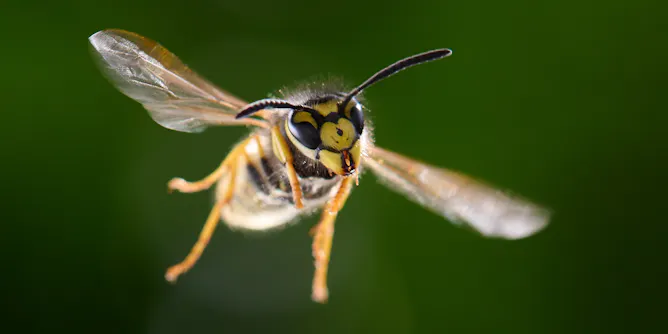
And why you should let them share your picnic ham and jam.
Articles on Wasps
Displaying 1 - 20 of 51 articles
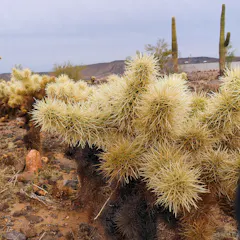
What do cacti spines and wasp stingers have in common? What about snail genitalia and shark teeth?
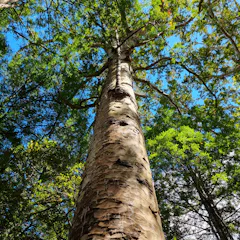
Warmer winters mean insect pests like wasps will likely spread further, while weedy plants and rats invade alpine zones, shrinking the refuge for endangered birds.
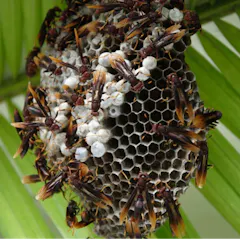
Well, someone has to keep the larvae fed.
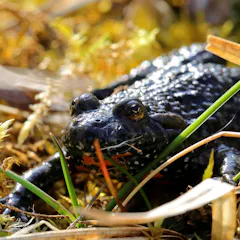
The discovery shines a light on what has, until now, been an underappreciated feature of evolution which suggests life is not so random after all.
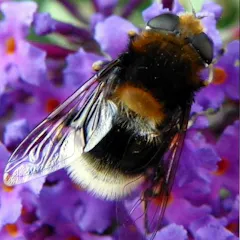
When you’re an animal undercover, sometimes it’s not enough just to look like someone else

Some wasp species adjust the number of male offspring they produce when sharing fig trees with other wasp species.
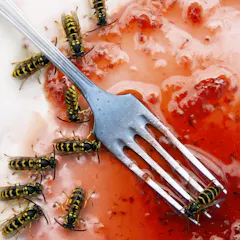
Did you know wasps switch from ham to jam foraging during the late summer?
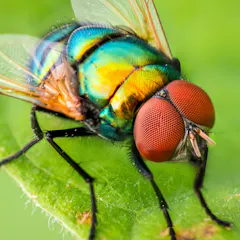
The number of insect species is mind-boggling – and they are a critical part of the environment.
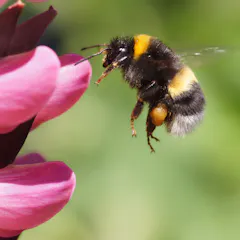
Those big bumble bees and wasps you might have seen in your garden are likely the queens preparing their nests and colonies for summer.

Fruit flies wreak havoc on crops in Hawaii, but a type of parasitoid wasp armed with a biological weapon has helped keep the pests at bay.
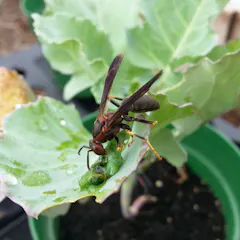
Research shows wasps are active and useful predators of caterpillars on crop plants, but we need to know more about their full biocontrol potential.

Scientists know why there aren’t as many wasps around this year - but we don’t have much data on what is happening long term.

With the help of citizen scientists, South African entomologists can work to keep invasive wasp populations from spreading.
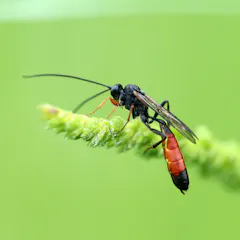
An insect’s physical shape and characteristics indicate which species it belongs to, but sometimes species appear remarkably similar. DNA technologies can help identify and discover species.
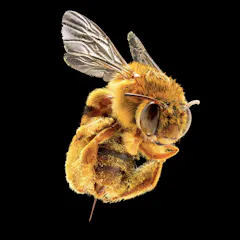
99.96% of bee species do not die after stinging. So why does everyone think they do?
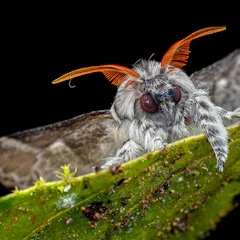
Sometimes it seems the night is just buzzing with insects. But are there really more insects out at night? We analysed all the evidence on insect activity across the day–night cycle to find out.
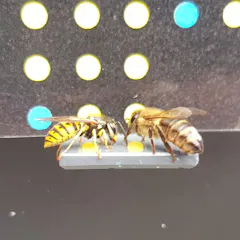
Being susceptible to visual illusions is part and parcel of life not just for humans, but many other species – including bees.
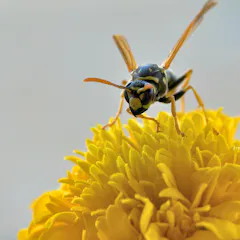
Have we overlooked the intelligence and value of wasps?
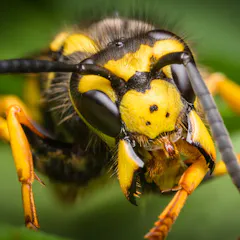
Think your social life is complicated? Consider the wasp.
Top contributors
-

Professor of Behavioural Ecology, UCL
-
Associate Professor, Department of Physiology, Monash University
-
Senior Lecturer in Ecology, University of Otago
-
Professor in Genetics, University of Pretoria
-
Research Fellow, School of Biological Sciences, Monash University
-
Senior Lecturer in Biological Sciences, Macquarie University
-
Postdoctoral research associate, Newcastle University
-
Professor of Bioscience Education, University of Hull
-
Postdoctoral Fellow in Integrative Biology, The University of Texas at Austin
-
Senior Lecturer in Insect Diversity, Stellenbosch University
-
Senior lecturer, The University of Melbourne
-
Professor of Conservation Ecology, University of Gloucestershire
-
Assistant Director of the Global Systems Institute, University of Exeter
-
PhD researcher, University of East Anglia
-
Lecturer in Animal Biology, University of Leeds