
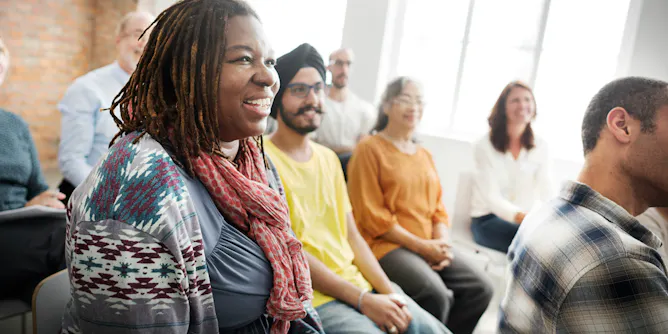
An ethics process must not become so preoccupied with the potential harm of participation that it overlooks the certain harm of exclusion.
Articles on Vulnerable populations
Displaying all articles
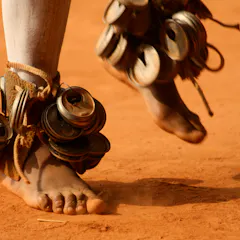
Same-sex relationships in Zulu culture are perceived as taboo and unAfrican. Some men who have sex with men avoid seeking care at health clinics.

When it comes to civil registrations, some states are using exclusionary mechanisms to block anyone it considers undesirable, as happened to Dominicans of Haitian descent.
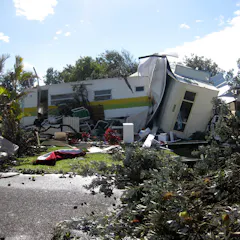
Communities living at the margins are often more vulnerable to disaster risk, a problem likely to be exacerbated by climate change.
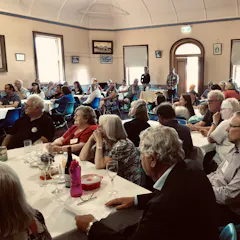
The small fire and heatwave prone town of Tarnagulla got together, applied for funding and co-produced a resilience action plan so they’re better prepared for the next disaster.

There is an increase in physical and psychological barriers to accessibility for service dog users in the COVID-19 era. However, solutions exist.
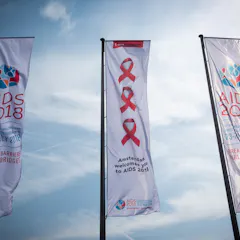
The HIV epidemic is far from over and it’s not time to disengage, says International Aids Society President Linda-Gail Bekker.
It can be a destructive cycle for mothers whose children are taken into care.
The controversial Centrelink debt recovery system is bad news for the mental health of the disadvantaged and vulnerable people it targets.
A doctor has been convicted of abusing vulnerable women in his care – because a court finally decided to listen to their stories.
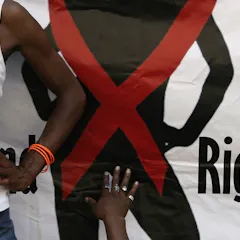
In South Africa, female sex workers go for HIV tests, receive counselling and use condoms – but don’t access antiretroviral treatments. More options are now available and can change this.
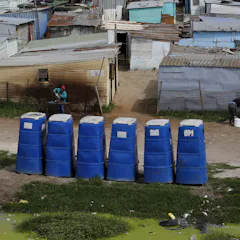
Interacting with communities can provide health planners with critical information that can help them solve health challenges in specific areas.
Top contributors
-

Professor of medicine and deputy director of the Desmond Tutu HIV Centre at the Institute of Infectious Disease and Molecular Medicine, University of Cape Town
-
Senior Lecturer in Global Public Health, University of Aberdeen
-
Associate Professor, UCSF Center for AIDS Prevention Studies & Global Health Sciences, University of California, San Francisco
-
PhD Candidate, Centre for Regional Economic and Social Research, Sheffield Hallam University
-
Senior Research Fellow in public health and public policy, Adelaide University
-
Professor of Law and Social Justice, University of Leeds
-
Associate Professor of Indigenous Studies and Sociology, McMaster University
-
Associate Vice-President Global Health, McMaster University
-
Professor, Tier 1 Canada Research Chair in Global Control of HPV-Related Disease and Cancer, School of Population and Public Health, University of British Columbia
-
Senior Lecturer, School of Global, Urban and Social Studies, RMIT University
-
Professeure en inclusion scolaire, chercheuse en équité, diversité, inclusion et accessibilité, Université de Moncton
-
Postdoctoral Fellow, University of South Africa
-
Lecturer in Caribbean History & Politics, Institute of Historical Research, University of London, School of Advanced Study, University of London
-
Senior Scientist in Disaster and Climate Risk at Earth Sciences NZ & Senior Research Fellow (adjunct), Humanitarian Emergency and Disaster Management, Charles Darwin University