

South Africa’s Supreme Court of Appeal has held electricity utility Eskom and state regulators responsible for water pollution from a coal fired power station.
Articles on Mpumalanga
Displaying all articles
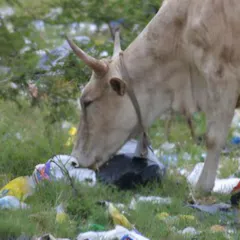
As plastic waste spreads across communal grazing land, smallholder farmers are losing livestock, income and an important source of food and security.
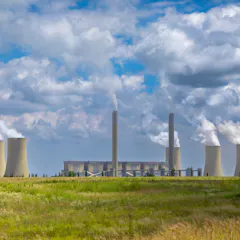
The court ruling that it’s a constitutional right to have clean air highlights the fact that South Africa needs to improve air quality urgently.
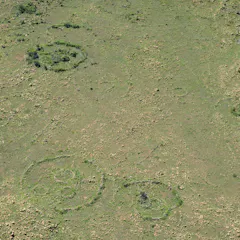
We now know that Bokoni Phase I was built as early as the 15th century – before the arrival of European colonisation or trade.
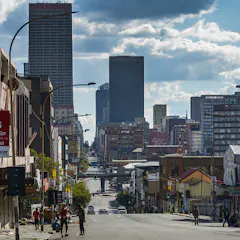
Labour migrants from other provinces into Gauteng and the Western Cape are more likely to be employed than the two provinces’ permanent residents.
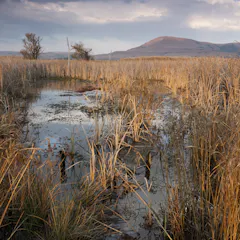
A court victory by an NGO against a South African municipality has laid bare the red tape and misgovernance that often burdens the process of issuing water licenses.
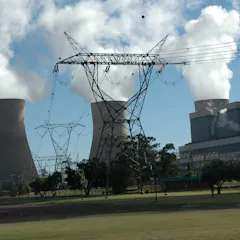
South Africa envisages the gradual closure of older coal plants, mostly located in Mpumalanga. Can these coal fields be turned into renewable energy hubs?
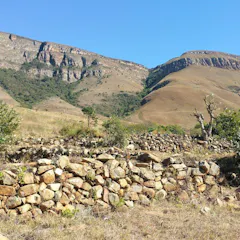
As early as 1500 the Bokoni people created stone-walled settlements that demonstrate their mastery of farming. But today these sites are under threat.

Mining companies and some heritage consultants don’t understand the sacredness attached to ancestral remains, and the meaning of land in African communities.

New coal mining operations could threaten
South Africa’s Mapungubwe World Heritage Site.
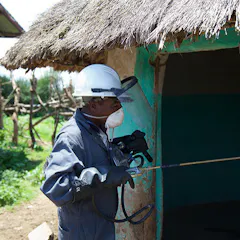
A spike in the number of malaria cases in southern Africa means that the region will not meet its initial target of eliminating malaria by 2018.
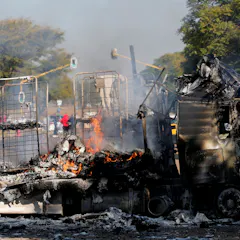
The increase in rioting ahead of municipal elections in South Africa, such as that in Pretoria, suggests that the country’s general election in 2019 could be more violent than previous elections.

Childhood asthma in low- and middle-income countries is on the rise and symptoms are often more severe. Contributory factors include living with anxiety and being exposed to community violence.
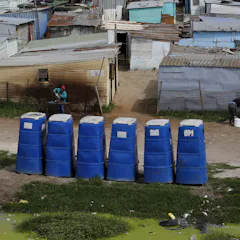
Interacting with communities can provide health planners with critical information that can help them solve health challenges in specific areas.
Top contributors
-

Political Scientist, University of the Western Cape
-
Unit Director of the Office of Malaria Research , South African Medical Research Council
-
Professor of Environmental Science, University of South Africa
-
Postdoctoral Fellow in Public Health, University of Oxford
-
Senior Lecturer in Global Public Health, University of Aberdeen
-
Professor, Economics, University of the Western Cape
-
Researcher, University of the Witwatersrand
-
Acting Director of the Global Change Institute (GCI), University of the Witwatersrand, University of the Witwatersrand
-
Senior Lecturer in Physical Geography and Geochronology, University of the Witwatersrand
-
Associate Professor, University of Pretoria
-
Associate professor, School of Geography, Archaeology and Environmental Studies, University of the Witwatersrand
-
Professor of Physics, University of Johannesburg
-
Professor emeritus, University of the Witwatersrand
-
Professor and holder of a Research Chair in Applied Systems Analysis, University of the Witwatersrand
-
DPhil student in Archaeological Science, University of Oxford