

The most important thing for parents to know is that the order does not change which vaccines are available to children and is not based on any new data about vaccine safety.
Articles on Vaccine safety
Displaying 1 - 20 of 50 articles
Recognizing the stories behind people’s concerns with vaccines can help public health advocates build a more inclusive approach to healthcare.
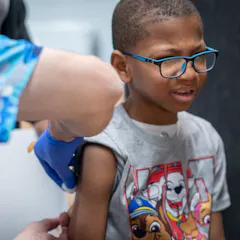
Most states require childhood vaccinations for measles, mumps, tetanus, rubella, chickenpox and whooping cough.
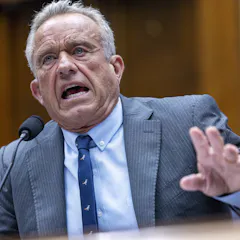
The situation in the US is deeply concerning – for vaccine uptake and for the impacts globally.

There’s no solid evidence that thimerosal harms children. RFK Jr.’s handpicked vaccine advisory committee voted against using it in the one type of flu vaccine where it is still used.

The Epidemic Intelligence Service has been a crucial tool in fighting diseases at home and abroad. Its impact would be impossible to replace.
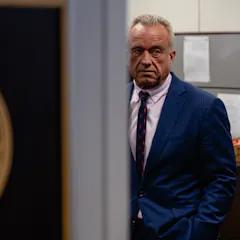
Attacks on scientific expertise have been increasing, especially in politics. Health and Human Services nominee Robert F. Kennedy Jr. is among the more prominent people who have done that.
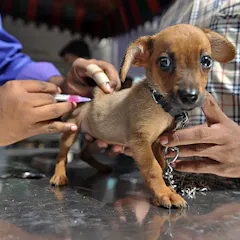
About 4% of dogs and 12% of cats remain unvaccinated against rabies, posing risks for society.

With COVID-19 shots finally available for infants and preschoolers, knowing how to combat misinformation on social media and elsewhere could be more important than ever.

Contrary to the popular belief that social media creates rumours about COVID vaccine harms, new research suggests social media generally only aids the spread of these rumours.

A panel of experts answer questions about vaccines, omicron and other COVID-related issues in a discussion with The Conversation.

Pediatricians and other health care providers can take some concrete steps toward building trust and counteracting anti-vaccination misinformation.
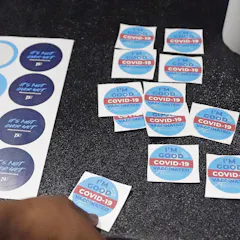
To help increase trust in vaccines, researchers analyzed data on adverse events to address safety concerns, and then used cognitive science to show how cognitive biases feed vaccine hesitancy.
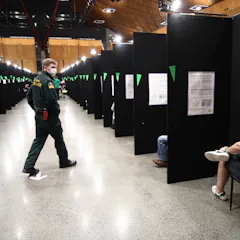
A survey found almost a quarter of participants thought they could not receive a vaccine because of medical conditions. But only 28.9% of this group actually meet the criteria set by health agencies.
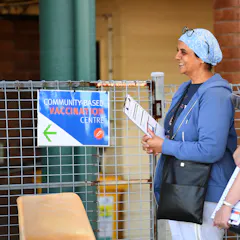
Australia is now rolling out the Pfizer vaccine to people aged under 50, with the 40-49 age group newly eligible. Here’s what you can expect.
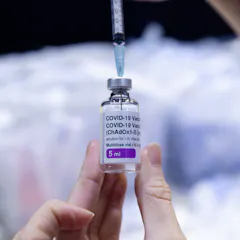
The TGA has reported a handful of cases of the autoimmune disorder Guillain-Barré syndrome following the AstraZeneca vaccine.

Many people are unsure if their condition qualifies as an underlying medical condition. They may not realise they’re already eligible for the COVID vaccine.

A serious event such as a blood clot could be caused by an underlying medical condition, a medication the person was taking at the time, or some other factor unrelated to the vaccine.
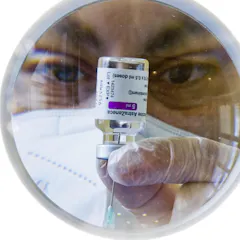
Both the AstraZeneca and Johnson & Johnson vaccines are now being investigated for links to rare blood disorders.
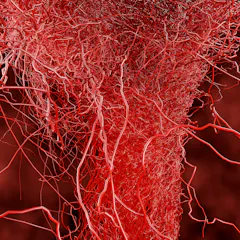
European regulators are investigating a possible link between the vaccine and a second rare blood disorder.
Top contributors
-

Professor, The Children's Hospital at Westmead Clinical School and Sydney Infectious Diseases Institute, University of Sydney
-
Professor, School of Public Health, University of Sydney
-
Associate Professor of Health Law, Policy and Management, Boston University
-
Professor, Discipline of Paediatrics and Child Health, University of Sydney
-
Assistant Professor of Political Science, University of South Carolina
-
Assistant Professor of Pediatrics, University of Pittsburgh
-
Professor of Medicine, University of Virginia
-
Assistant Professor of Behavioral and Community Health Sciences, University of Pittsburgh
-
Professor of Paediatrics and vaccinologist, Royal Childrens Hospital, University of Melbourne and Murdoch Childrens Research Institute (MCRI); Associate Dean International, University of Melbourne, Murdoch Children's Research Institute
-
Professor, School of Biomedical Sciences and Pharmacy, University of Newcastle
-
Assistant Professor of Public Health, University of Pittsburgh
-
Professor of Research Ethics, University of Portsmouth
-
Director of the School of Journalism & Strategic Media, Professor of Media Studies, Middle Tennessee State University
-
Professor of Biology, Hebrew University of Jerusalem
-
Vice-Chancellor's Research Fellow, School of Health and Biomedical Sciences, RMIT University