
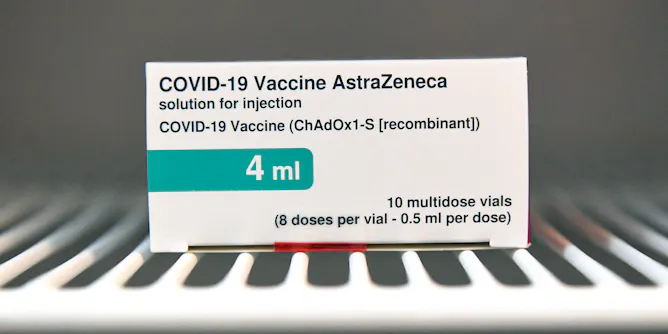
The challenge now is to address the understandable concerns and prevent them from contaminating the broader public dialogue on COVID-19 vaccination.
Articles on Vaccine safety
Displaying 21 - 40 of 50 articles
All vaccines and medications come with risks. But the risks of delaying vaccination are far higher.

Vaccine manufacturing is complex, with lots of potential points for errors. But it also has extensive quality control checks and approvals.
Many people never experience the least bit of discomfort from the COVID-19 vaccines, but mild side effects are common. They include swelling in the affected arm, nausea and chills.
So far, most vaccines in the US are mRNA vaccines. These represent a new technology and are likely to take over the vaccine world. But how do they work? What are their weaknesses? Five experts explain.

Vaccination has been controversial from its beginning. Gaining people’s trust in vaccines has been crucial. An important part of that is a strong communications plan.
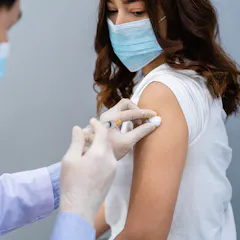
Years of vaccine research tells us that, if side effects are going to occur, they normally occur within the first months after getting a vaccine.
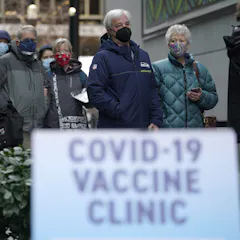
How will governments convince enough people to get vaccinated to achieve herd immunity?
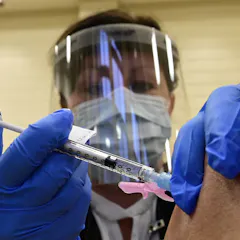
The arrival of COVID-19 vaccines has raised hope for an end to the pandemic. Hopefully that’s true, but there are variables. Here are some factors that could affect the success of the vaccine rollout.
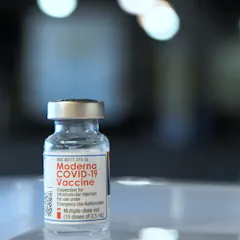
Two in five Americans say they don’t want a COVID-19 vaccine, which is a problem. Finding out what Americans do want from a vaccine might help.
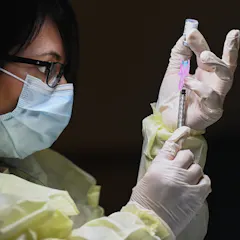
Employers could require their workers to get vaccinated against COVID-19 via both workplace policies and existing laws. Neither option, however, is simple or straightforward.
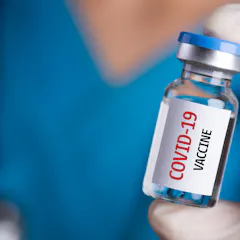
There are three promising COVID-19 trials.
The United Nations recently asked a group of experts across the world to recommend ways to persuade people to take a COVID-19 vaccine. Here is a summary of their suggestions.
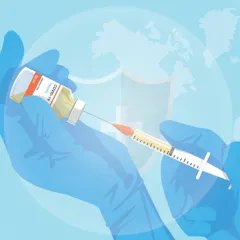
Two more COVID-19 vaccines may now be on the cards for Australia, should they pass clinical trials. But, as with earlier vaccine deals, there are no guarantees.
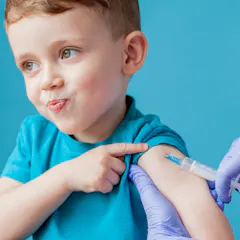
Any COVID-19 vaccine is likely to be given first to higher risk groups before it is given to children. But we still need vaccines that are safe and effective for them too.
Details are sketchy. But it looks like people would still need to go through the legal system to get compensation. There are better ways.
Several vaccines are in Phase 3 trials. So when will we know whether any of these will protect against COVID-19?

Will a vaccine for COVID-19 be safe? Animal testing, human clinical trials and post-approval surveillance give us good grounds to believe that a future approved vaccine will work and be safe.
A public health lawyer and ethicist explores the thorny issue of whether requiring people to be vaccinated against COVID-19 might be necessary. And if so, can people object citing their faith?
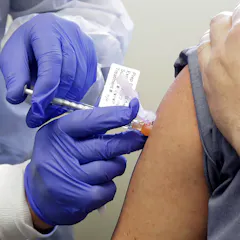
Conventional trials to test coronavirus vaccines are paradoxically slowed down by actions to curb the disease’s spread. Human challenge trials are more controversial, but could speed up the process.
Top contributors
-

Professor, The Children's Hospital at Westmead Clinical School and Sydney Infectious Diseases Institute, University of Sydney
-
Professor, School of Public Health, University of Sydney
-
Associate Professor of Health Law, Policy and Management, Boston University
-
Professor, Discipline of Paediatrics and Child Health, University of Sydney
-
Assistant Professor of Political Science, University of South Carolina
-
Assistant Professor of Pediatrics, University of Pittsburgh
-
Professor of Medicine, University of Virginia
-
Assistant Professor of Behavioral and Community Health Sciences, University of Pittsburgh
-
Professor of Paediatrics and vaccinologist, Royal Childrens Hospital, University of Melbourne and Murdoch Childrens Research Institute (MCRI); Associate Dean International, University of Melbourne, Murdoch Children's Research Institute
-
Professor, School of Biomedical Sciences and Pharmacy, University of Newcastle
-
Assistant Professor of Public Health, University of Pittsburgh
-
Professor of Research Ethics, University of Portsmouth
-
Director of the School of Journalism & Strategic Media, Professor of Media Studies, Middle Tennessee State University
-
Professor of Biology, Hebrew University of Jerusalem
-
Vice-Chancellor's Research Fellow, School of Health and Biomedical Sciences, RMIT University