
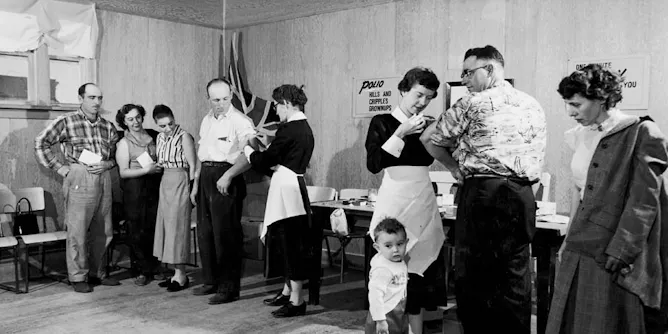
At the height of polio and H1N1, Canadians were keen to get vaccinated, but vaccine enthusiasm waned once the crisis had passed — what does that mean for COVID-19?
Articles on Vaccine trials
Displaying 1 - 20 of 29 articles

A transcript of episode 14 of The Conversation Weekly podcast, including how people make their life’s biggest decisions.

It sounds too good to be true, a vaccine that can protect against future virus variants. But governments around the world are keen to learn more.
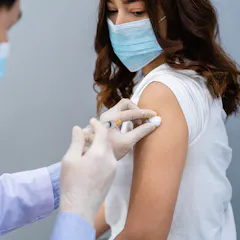
Years of vaccine research tells us that, if side effects are going to occur, they normally occur within the first months after getting a vaccine.
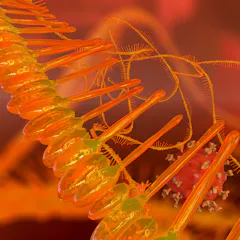
Researchers are already working to improve the current crop of mRNA vaccines. Hopefully this will help them become more practical and affordable for the entire world, not just first-world countries.

Results from individual studies are very precise, and not always the best grounds for making policy decisions.
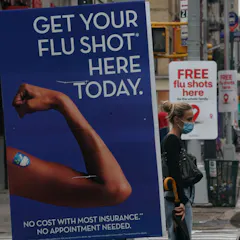
You need a new shot every year because current flu vaccines provide limited and temporary protection. But researchers’ new strategy could mean a one-and-done influenza vaccine is on the way.
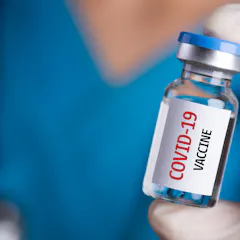
There are three promising COVID-19 trials.
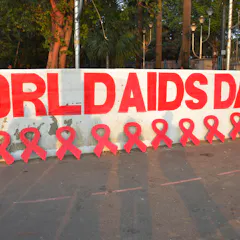
The HIV/AIDS response played out over a much longer trajectory than COVID-19. But it is, in some respects, a shining example of what can be achieved when countries and people work together.
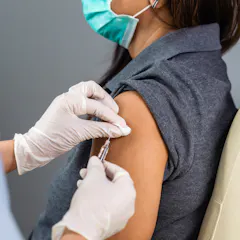
Pfizer and BioNTech have announced 95% efficacy for their mRNA vaccine, having met the final target they need to before seeking regulatory approval.
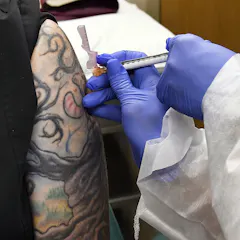
Two pharma companies have announced early COVID-19 vaccine trial results with over 90 per cent effectiveness. What does that mean for getting back to normal?
Two more COVID-19 vaccines may now be on the cards for Australia, should they pass clinical trials. But, as with earlier vaccine deals, there are no guarantees.
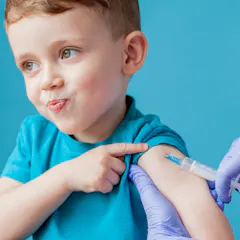
Any COVID-19 vaccine is likely to be given first to higher risk groups before it is given to children. But we still need vaccines that are safe and effective for them too.
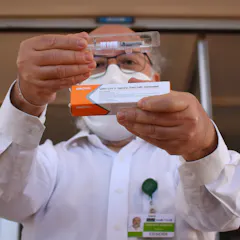
Coronavirus trial protocols have only recently been released. This is what they show.
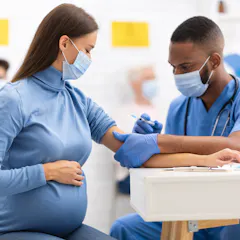
Pregnant women are at increased risk for serious COVID-19 complications and should be a high-priority group for vaccination. Excluding them from vaccine trials puts them and their offspring at risk.
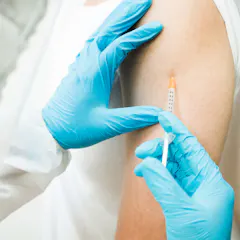
There are many scientific and ethical challenges ahead. But these types of trials have helped in the development of vaccines against a few diseases. Could they do the same for COVID-19?
Several vaccines are in Phase 3 trials. So when will we know whether any of these will protect against COVID-19?

Will a vaccine for COVID-19 be safe? Animal testing, human clinical trials and post-approval surveillance give us good grounds to believe that a future approved vaccine will work and be safe.
CC BY-NC-ND3.79 MB (download)
The vaccines being tested in South Africa have been included on the World Health Organization’s list of 26 most viable candidate vaccines to enter human clinical trials.

Thousands of people around the world have said they are willing to be exposed to COVID-19 to test new vaccines. Since we don’t fully understand the long-term effects of the disease, is this ethical?
Top contributors
-

Professor, The Children's Hospital at Westmead Clinical School and Sydney Infectious Diseases Institute, University of Sydney
-
Professor of medicine and deputy director of the Desmond Tutu HIV Centre at the Institute of Infectious Disease and Molecular Medicine, University of Cape Town
-
Professor of medicine, epidemiology & biostatistics, and philosophy, Western University
-
Professor, Discipline of Paediatrics and Child Health, University of Sydney
-
Early Career Research Leader, Emerging Viruses, Inflammation and Therapeutics Group, Menzies Health Institute Queensland, Griffith University
-
Medical Scientist at the National Institute for Communicable Diseases; Research Associate at CAPRISA; Research Professor in the School of Pathology, University of the Witwatersrand
-
Paediatrician, Infectious Diseases Physician and Clinical Microbiologist, The Kids Research Institute Australia, The University of Western Australia
-
Professor, School of Public Health, University of Sydney
-
Head of the Division of Pulmonology, University of Cape Town
-
Senior Visiting Research Fellow in Bioethics, National University of Singapore
-
Associate Professor and ARC Future Fellow, The University of Western Australia
-
FAPESP-Postdoctoral Researcher at the Laboratory of Structural Biology and Zoochemistry, IB/RC (UNESP), University of São Paulo State
-
Postdoctoral fellow, McGill University
-
Professor of Research Ethics, University of Portsmouth
-
Medical Scientist, National Institute for Communicable Diseases