
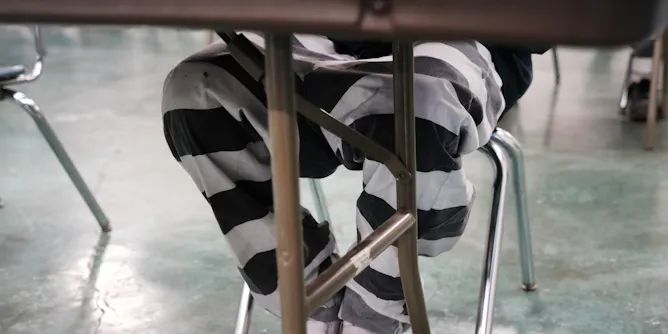
A quarter of prisoners report a cognitive, intellectual or developmental disability. But the true figure could be even higher.
Articles on US prisons
Displaying 21 - 40 of 51 articles
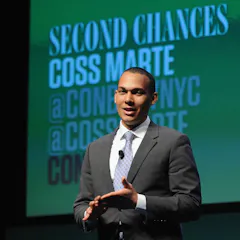
Nearly half of formerly incarcerated Americans remain jobless for at least a year. But there are some creative solutions to this problem.
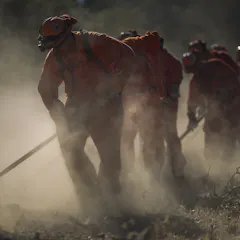
Relying on incarcerated workers in emergencies such as the wildfires ravaging parts of the US is a cheap alternative for states. But what protections are there for prisoners?
Research shows supporting newly released prisoners to move to a new area can slash reincarceration rates.
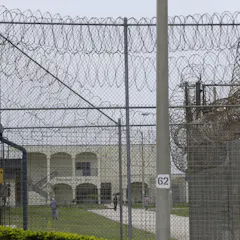
Violence in the criminal-justice system isn’t limited to police. It’s time to pay more attention to violent deaths within state prisons.
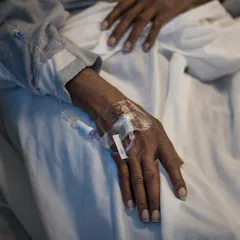
In the 10 years leading up to 2016, the rate of prisoner mortality rose by 15%. End-of-life options can be limited for inmates.
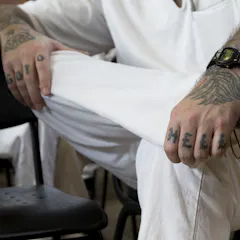
Gangs are still a significant reality in US prisons. But most inmates say that their power has been watered down, and they no longer rule facilities with an iron fist.
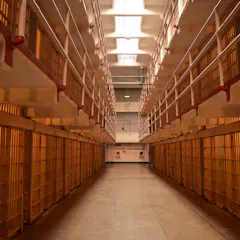
Education for those behind bars is gaining more attention. In these four articles, scholars take an up-close look at efforts to provide – and restrict – higher education in prison.

A scholar who has taught in prison weighs in on ‘College Behind Bars,’ which airs Nov. 25 and 26 on PBS. The documentary prompts viewers to consider the importance of higher education in prison.
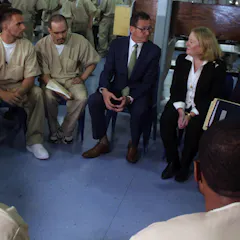
In a pilot program, older prisoners sentenced to life mentor younger prisoners who have a chance to lead productive, lawful lives when they get out. The focus is on healing trauma.
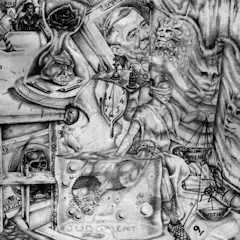
From solitary confinement, Moliere Dimanche started drawing on anything he could find. The result was a series of fantastical, allegorical images that depict abuse, racism and profound isolation.
CC BY-ND39.8 MB (download)
A podcast all about nothing. From the importance of doing nothing to the ill-effects of time spent in solitary confinement and what nothing means in space.
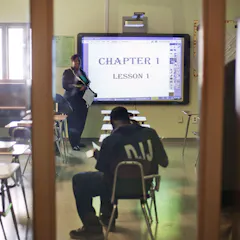
Research reveals that the factors that put youth at risk of sexual assault while in custody are significantly different from those that put adults at risk in prison.
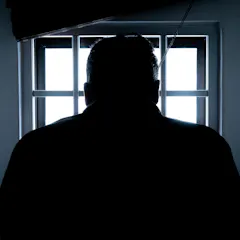
Hollywood pushes a fantasy version of what neuroscience can do in the courtroom. But the field does have real benefits to offer, right now: solid evidence on what would improve prisons.
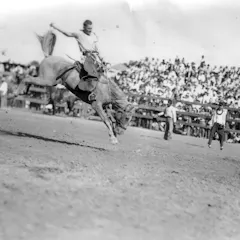
Racial barriers that existed in the free world were toppled as black and white convicts competed for the Top Hand Prize.

Australian jurisdictions should enact permanent solutions to juvenile justice crises that replace large and ineffective youth prisons with a safer, more decent alternative.
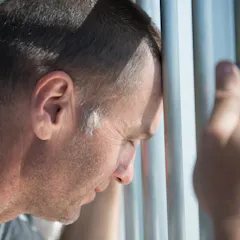
As prison populations rise this hidden issue is only making things worse.

Criminal justice experts suggest one way to change the system to eliminate racial bias.

No federal database provides reliable info on deaths that occur in police custody. It’s the same situation in 48 states. But now California and Texas are offering new models of accountability.
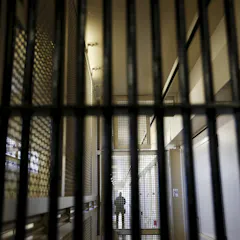
Case management from nurses combined with peer coaching from ex-offenders helps recently released parolees avoid the behavior that got them locked up in the first place.
Top contributors
-

Associate Professor of Law, Rutgers University - Newark
-
Associate Professor, Boston University
-
Assistant Professor of Sociology, University of Houston
-
William Nelson Cromwell Professor of Jurisprudence and Political Science, Amherst College
-
Senior Lecturer, Center for Study of Human Health, Emory University
-
Associate Professor of Political Science, Emerson College
-
Associate Professor of Political Science, Emory University
-
Senior Lecturer in Criminology & Criminal Justice, University of South Wales
-
Associate Professor of Psychology, Yale University
-
Assistant Professor of Pediatrics and Adolescent Health, University of Minnesota
-
Associate Professor, Criminal Justice, Penn State
-
Associate Professor of American Studies, Rutgers University
-
Co-Director, Columbia University Justice Lab, Senior Research Scientist, Columbia School of Social Work, Columbia University
-
Associate Professor of Social Work, New York University
-
Professor of Criminal Justice, Sam Houston State University