
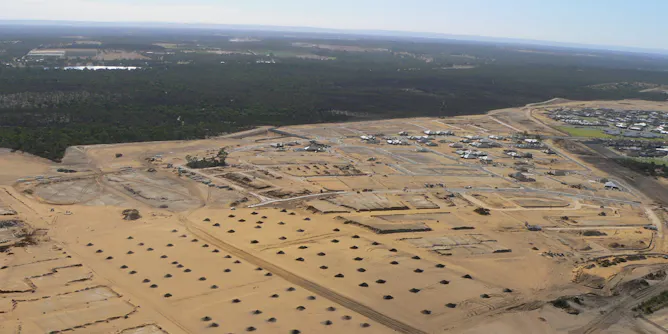
If Perth can preserve the rich biodiversity of its setting, it will become a model for sustainable city development that fully connects with the value of natural ecosystem services.
Articles on Urban sprawl
Displaying 41 - 56 of 56 articles
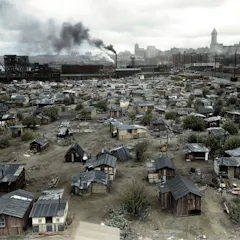
Like Brazil’s favela dwellers, America’s working poor felt a sense of pride and community in their shantytowns – and desperately resisted the powerful interests that sought to demolish them.

The Banksia woodlands of the Swan Coastal Plain are home to thousands of species, many unique. But they are gradually being swallowed by Perth, one of the world’s most sprawling cities.
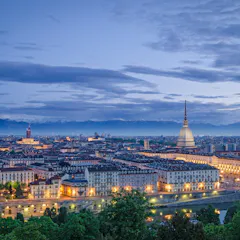
The likes of Sheffield, Bilbao and Leipzig have staged a spectacular comeback.
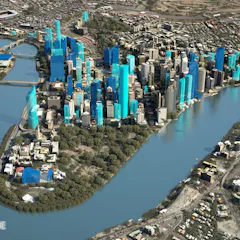
In the media, urban consolidation is often depicted as a threat to Australian suburban life. In reality, it’s a result of managed planning processes to ensure growing cities remain liveable.
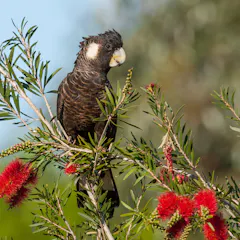
Plans for managing Perth’s rapid urban growth have been touted as green. But they still look like robbing the iconic Carnaby’s black cockatoo of yet more crucial habitat.
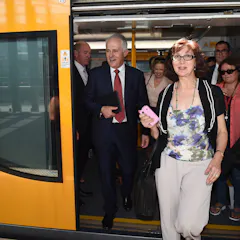
The ‘30-minute city’ goal is about more than urban rail and other transit projects. It means transforming our cities into centres of activity where work, study and services are all close by.

Farms on Sydney’s fringes supply 20% of the city’s food. That could drop by more than half if urban sprawl isn’t kept in check.

Australians may need to get used to coping with more disruptions to their food supply and rising food prices in a warming climate.

Melbourne’s farms currently supply over 40% of the city’s food. But a growing population and urban sprawl mean by 2050 they’ll supply half as much.
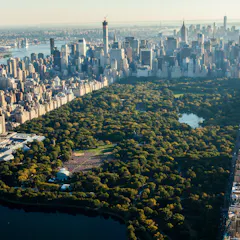
Having all your green in one place or not has been taxing urban planners for some time.
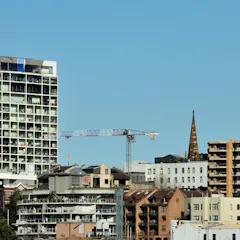
Speaking with: Hazel Easthope on high density living and design
Higher density housing provides unique challenges that make the mix of design, build and social considerations all the more important in creating sustainable and enjoyable living environments.
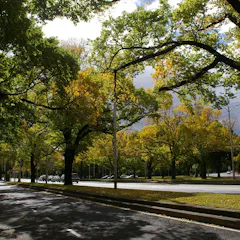
When you look out of your window in the morning, how many trees do you see? Your answer might depend on what suburb you live in. As you go further from the city centre, the amount of tree cover in a suburb…
Our world is becoming increasingly urbanised. In 1950, just 30% of the world’s population lived in urban areas. This number is now over 50% and rising. By 2050, two-thirds of the world’s population are…
Is there a universal law that can accurately predict the seemingly random growth of a city? Patterns in urban migration are…
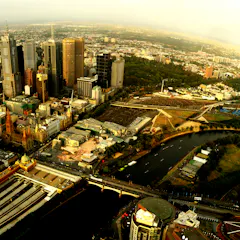
It’s a debate that’s been raging for decades and dominates academic and popular urban planning discourse: urban sprawl versus urban densification. Is it better to increase density or to expand at the edges…
Top contributors
-

Associate Professor in Food Systems, The University of Melbourne
-
Food Systems Research and Partnerships, The University of Melbourne
-
Researcher in sustainable food systems, The University of Melbourne
-
Associate Professor in Wildlife Conservation, Edith Cowan University
-
Lecturer, UNSW
-
Senior Research Fellow, School of Biological Sciences and Oceans Institute, The University of Western Australia
-
Head of Urbanism and Associate Professor of Urban Studies, School of Architecture, Design and Planning, University of Sydney
-
Deputy Director, Australian Urban Design Research Centre, The University of Western Australia
-
Research Fellow in Restoration Ecology, Curtin University
-
Professor of Law, University of Florida
-
Professor of Environmental Management, The University of Queensland
-
Postdoctoral Fellow in Public Finance Policy, Tulane University
-
Associate professor, UNSW
-
Professor, Director Australian Urban Observatory, Centre for Urban Research, RMIT University
-
Professor of Architecture, The University of Western Australia