
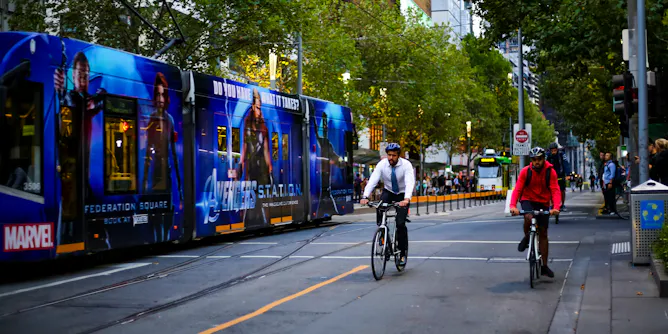
Before the pandemic, the country was making great strides towards creating more compact, sustainable and liveable cities.
Articles on Urban sprawl
Displaying 21 - 40 of 56 articles

Cities can learn from past pandemics to see how communities and lifestyles are shaped by outbreaks.
The demands on land and resources from our fast-growing cities are unsustainable, as are the wastes they produce. Yet still our leaders act as if unlimited growth is possible.
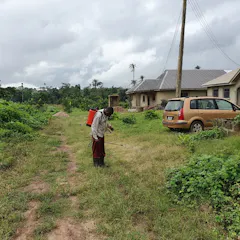
City officials have not considered how approaches like mixed-use developments closer to the city centre might alleviate the housing shortage as well as protect Akure’s green spaces.

When we build marinas, ports, jetties and coastal defences we introduce hard structures that weren’t there before, and which reduce the amount of sunlight hitting the water.
State and local governments can’t do much about the rapid population growth in Melbourne, but they can take steps to reduce the costs of growing disparities between the outer suburbs and inner city.
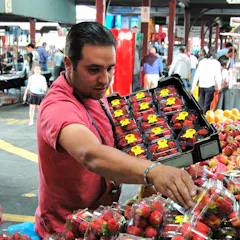
City fringe foodbowls supply much of our fresh produce and can increase climate resilience by making better use of wastewater and organic waste. A new roadmap outlines how to protect these foodbowls.
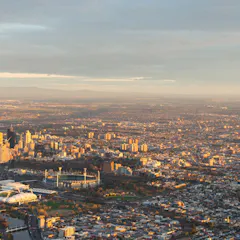
Planning innovations around the world offer inspiration, but ultimately the innovations needed to make Australia’s sprawling cities more sustainable must be shaped by local conditions.

To improve access to locally grown food and help prevent disruptions to supply chains caused by climate change, we need to support farming on the fringes of cities.
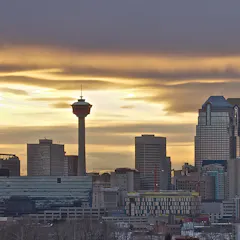
Vancouver lost out to Calgary as Canada’s most livable city this year. Why? Is it the high cost of housing or is it the city’s ‘neighbourhood first’ method that sometimes creates business instability?
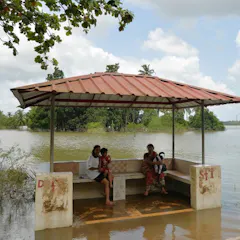
Uncontrolled growth at the expense of the environment will severely exacerbate the impacts of climate change. As shown with tragic floods in India, our cities are not prepared for extreme events.
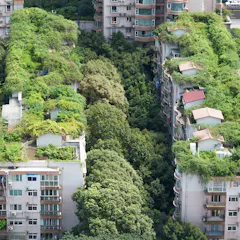
Dense, high buildings limit the space available for urban greenery. But imaginative projects that involve the community can ensure nature and the city go hand in hand.

Self-driving, shared, electric vehicles and increasing urban density represent four disruptions that will transform city life. But a transport utopia isn’t a guaranteed outcome of their interactions.
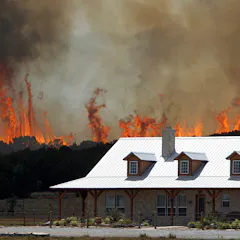
Many countries around the world are vulnerable to wildfires, but a fire engineer warns that most are not spending enough on research into how fires spread and ways to reduce risks.
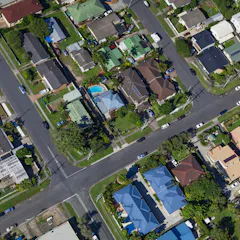
Residents of established middle suburbs are slowly coming round to the idea, but governments and the property sector lack the capacity to deliver compact cities that are acceptable to the community.

Autonomous vehicles have many benefits, but they may be bad news for nature conservation.

How do you prevent urban sprawl? Researchers look to a program in New Mexico for an answer.
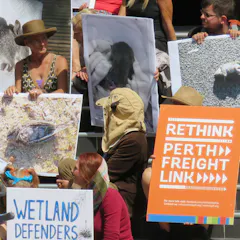
Campaigners in Perth are fighting the destruction of bushland for a new highway. They have two of three historically important factors on their side.
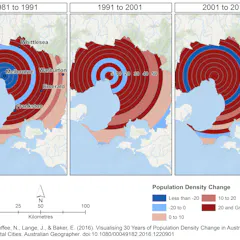
Many factors have influenced population density change in Australian cities over the past 30 years. Melbourne has led the way in inner-city rebirth as a way to help manage future growth.
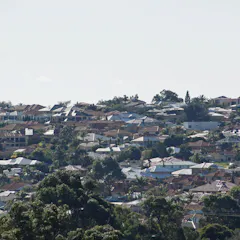
Government and industry need to demonstrate the benefits of well-designed higher-density housing. Rich residential display projects may be the ideal catalyst for creating smarter cities.
Top contributors
-

Associate Professor in Food Systems, The University of Melbourne
-
Food Systems Research and Partnerships, The University of Melbourne
-
Researcher in sustainable food systems, The University of Melbourne
-
Associate Professor in Wildlife Conservation, Edith Cowan University
-
Lecturer, UNSW
-
Senior Research Fellow, School of Biological Sciences and Oceans Institute, The University of Western Australia
-
Head of Urbanism and Associate Professor of Urban Studies, School of Architecture, Design and Planning, University of Sydney
-
Deputy Director, Australian Urban Design Research Centre, The University of Western Australia
-
Research Fellow in Restoration Ecology, Curtin University
-
Professor of Law, University of Florida
-
Professor of Environmental Management, The University of Queensland
-
Postdoctoral Fellow in Public Finance Policy, Tulane University
-
Associate professor, UNSW
-
Professor, Director Australian Urban Observatory, Centre for Urban Research, RMIT University
-
Professor of Architecture, The University of Western Australia