
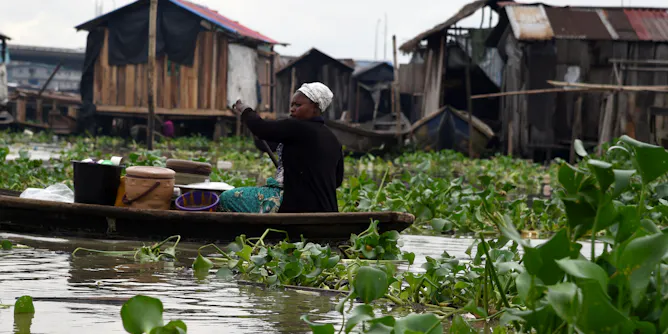
Social inclusion gives slum dwellers a voice to advocate for their rights and interests, leading to more inclusive and equitable policies and practices.
Articles on urban poor
Displaying all articles

COVID-19-related support only reduced the negative impact of the pandemic on financial capital, and not on the other forms of capital

When communities face security challenges and lack legal protection, they find innovative ways to respond.

Many urban residents live in dire poverty, lack shelter, and have limited access to basic services.
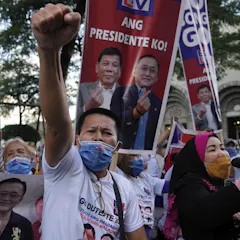
Research suggests that communities need jobs, food and health care, not political acts that hijack the spirit of bayanihan.
If we learn from COVID-19, there are three key areas to tackle to make cities safer from outbreaks of future infectious diseases.
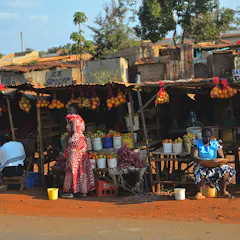
Kenya’s urban poor lack enough food and the little they can afford is often unsafe and of poor nutritional value.
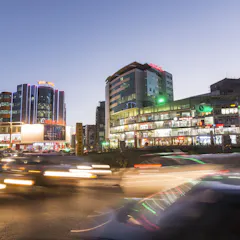
Abiy Ahmed has a vision to upgrade Ethiopia’s capital city but his ambitious megaprojects do not take the majority of Addis Ababa’s residents into account
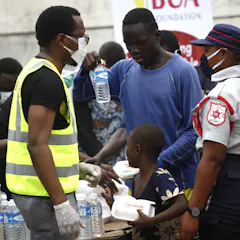
The Nigerian government must adopt a process that is open in implementing its social assistance programmes.

The Lagos state government must go beyond food packages as stimulus, and build capacity for poor people.
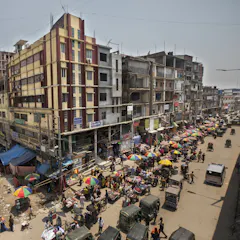
COVID-19 is spreading fast through not only the world’s richest cities but also its poorest, ravaging slum areas where risk factors like overcrowding and poverty accelerate disease transmission.
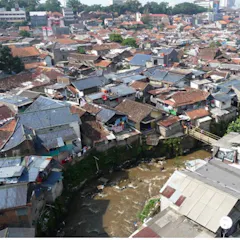
The plight of the urban poor affected by COVID-19 highlights the need to to reaffirm that adequate housing, water supply and sanitation are basic human rights.

Cities can learn from past pandemics to see how communities and lifestyles are shaped by outbreaks.
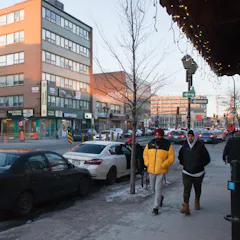
Gentrification often leads to the eviction of poor and largely racialized populations. When a university campus drives the change, they can choose to do something about it.
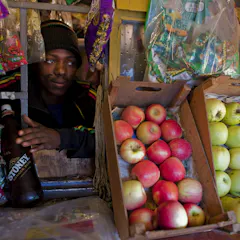
By better understanding the politics and governance of African cities and variations across cities, we can identify feasible opportunities to improve informal traders’ livelihoods.
Top contributors
-

Research Officer, African Population and Health Research Center
-
African Population and Health Research Center
-
Senior Communications Officer, African Population and Health Research Center
-
African Population and Health Research Center
-
Development Geographer, Team Lead, Lagos Urban Studies Group (LUSG) & Senior Lecturer, Department of Geography, University of Lagos
-
Lecturer in criminology, Edinburgh Napier University
-
Lecturer of International Relations and African Political Economy, University of Hargeisa
-
Programme Administrator/ researcher, University of Hargeisa
-
Teaching Assistant Professor, University of Pittsburg and Visiting Associate Professor, The University of Osaka, University of Pittsburgh
-
Lecturer, Crawford University
-
Assistant professor, University of Notre Dame
-
Postdoctoral researcher, Institute of Development Policy, University of Antwerp
-
PhD Candidate, Film, Media, and Cultural Studies, Birkbeck, University of London
-
Research fellow, University of Southern Queensland
-
Senior Research Scientist, African Population and Health Research Center