
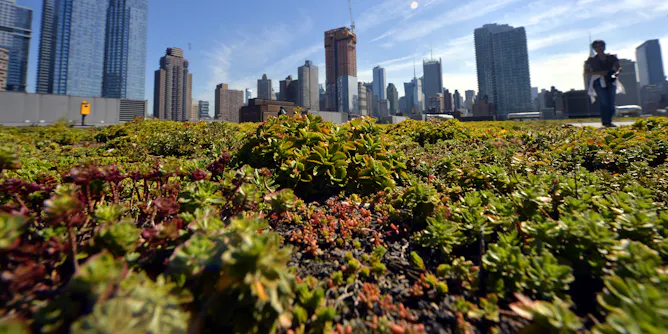
The success of green roofs depends on more than just good intentions and engineering – they need long-term love and care.
Articles on Urban parks
Displaying all articles

Sometimes the best escape isn’t a weekend away. It’s the park just down the road.
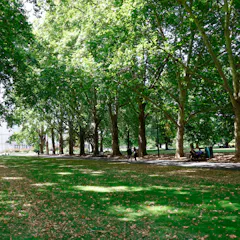
A new study has shown that more vegetation is not automatically better.
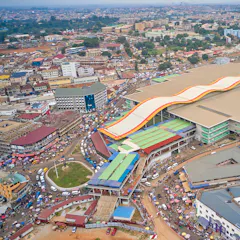
Kumasi was once considered among west Africa’s greenest cities.
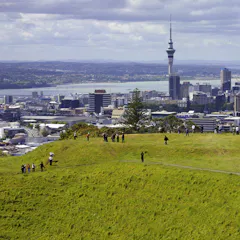
It’s not enough to have parks in city outskirts or urban green belts. Green spaces must be accessible for residents and placed to provide effective flood protection for cities.
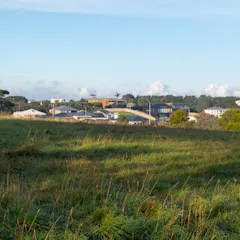
The tangle of greenery along railway lines, flowers growing on vacant lots, or unmown grassy patches under power lines, it turns out people in cities engage with nature in all these spaces.
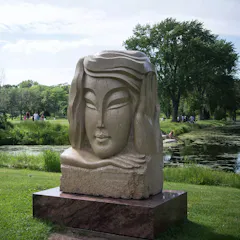
City parks are like outdoor living rooms: If people feel welcome and relaxed, they will settle in.
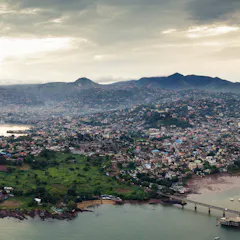
Freetown, the capital city of Sierra Leone, has a chief heat officer, the first in Africa. She has her work cut out for her.
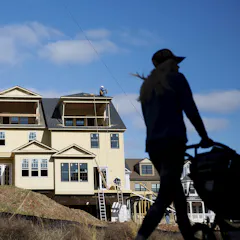
A longtime critic of Atlanta’s BeltLine explains how the popular network of parks has increased inequality in the city and driven out lower-income residents.
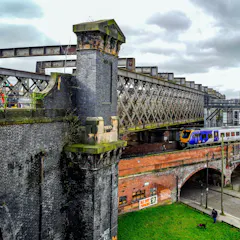
Turning a disused Victorian railway bridge into an elevated walkway and garden has the potential to rejuvenate a forgotten part of the city.

In cities across Europe, 62% of the population doesn’t have access to the amount of nature the World Health Organisation recommends.

Park policy must reimagine parks as more than a contributor to property value and consider how they can be used as community resources.
Top contributors
-

Associate Professor of Sport Management, Brock University
-
Professor of Geography, Macalester College
-
Professor of Urban Studies, Georgia State University
-
Researcher Associate, Centre for Urban Research, RMIT University
-
Senior Lecturer, Department of Architecture, Federal University of Technology, Akure
-
Professor in Environmental & Landscape Planning, University of Manchester
-
Lecturer in urban planning and design, University of Manchester
-
Associate Professor & ARC Industry Fellow, Urban Ecology, Curtin University
-
Research Professor ISGlobal Barcelona and Professorial Fellow, ACU Melbourne, Australian Catholic University
-
Associate Professor, Recreation and Leisure Studies, Brock University
-
Associate Professor in Environmental Studies, Te Herenga Waka — Victoria University of Wellington
-
Research Fellow at the NZ Centre for Sustainable Cities, University of Otago
-
Sesquicentennial Distinguished Professor of Public Health, University of Otago
-
Honorary Research Associate, Te Herenga Waka — Victoria University of Wellington
-
Associate Professor in Regenerative Architecture, Auckland University of Technology