
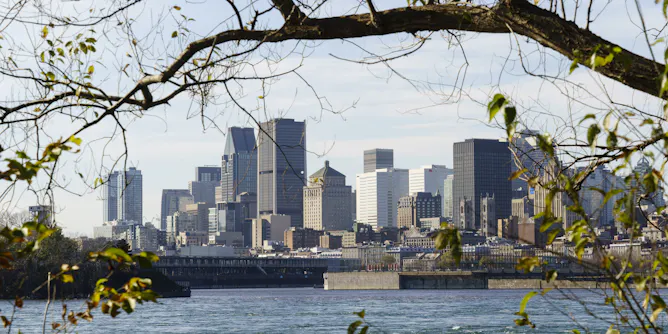
Urban green spaces should be better managed to provide places too cool off for the most underserved communities.
Articles on City parks
Displaying 1 - 20 of 24 articles
How designing better parks can help gender equality.
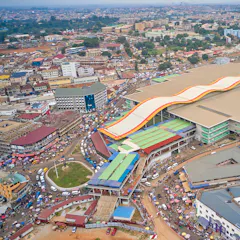
Kumasi was once considered among west Africa’s greenest cities.

Although many US cities have recovered from economic downturns during the COVID-19 pandemic, they still are losing young families in large numbers. Here’s how that trend degrades urban life.
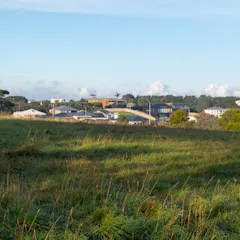
The tangle of greenery along railway lines, flowers growing on vacant lots, or unmown grassy patches under power lines, it turns out people in cities engage with nature in all these spaces.
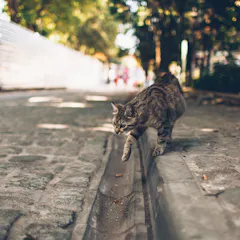
A new study shows that when free-ranging cats are more than a few blocks from forested areas in cities, such as parks, they’re more likely to prey on rats than on native wildlife.

Park policy must reimagine parks as more than a contributor to property value and consider how they can be used as community resources.

The more our cities grow, the more we need access to enjoy — and be in relationship with — urban forests to maintain our well-being.
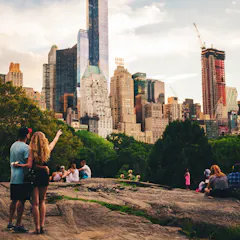
The earth our towns and cities are built on is teeming with potential. It is under threat too

Access to parks and green space in England’s cities is far from equal.

Decades after the Good Friday Agreement, urban space in Belfast is still divided.
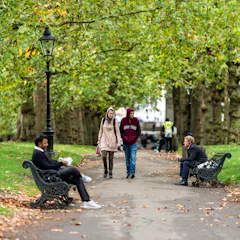
Politicians are keen to talk up the benefits of parks and other outdoor spaces – but less eager to spend money on their upkeep.
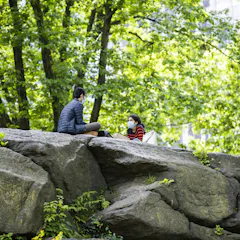
Research that measures the public mood based on Twitter posts shows that it’s currently at its lowest point in a decade. One exception: when people visit parks and green spaces.
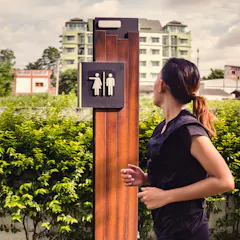
Public washrooms are an essential service and the people who maintain them are essential workers. But what happens when a pandemic closes public bathrooms and a civil rights protest breaks out?
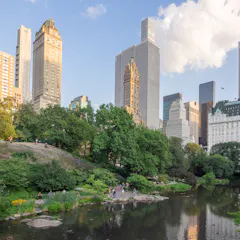
Frederick Law Olmsted, the designer of many great North American city parks, understood that ready access to nature made cities healthier places to live.
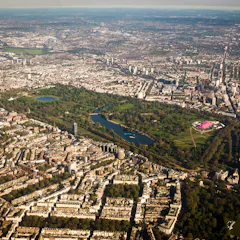
Parks have a vital role to play for both physical and mental wellbeing.
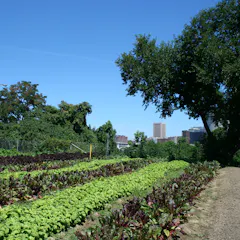
Four out of 5 Americans live in cities, so urban planning can make a big difference in our lifestyles – especially if it promotes healthy diets and physical activity.

Residents of the ‘leafy suburbs’ will continue to fear what they might lose to increasing urban density without an explicit planning approach that enhances green space in affected neighbourhoods.

Some might scoff at the free-ranging ideas sparked by a competition to design future parks for Melbourne. But the legacy of a radical idea to green a CBD street in 1985 shows why we need such thinking.
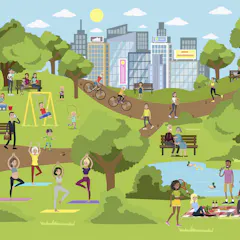
Some parks reduce violence in the local vicinity. Other parks attract crime. The difference has to do with how these urban green spaces are designed, programmed and managed, experts say.
Top contributors
-

Professor in Environmental & Landscape Planning, University of Manchester
-
Associate Professor of Sport Management, Brock University
-
Senior Research Fellow, Sheffield Hallam University
-
Research fellow, The University of Western Australia
-
Postdoctoral Scholar, North Carolina State University
-
Associate Professor & ARC Industry Fellow, Urban Ecology, Curtin University
-
Associate Professor, Recreation and Leisure Studies, Brock University
-
PhD Candidate, Soil and Ecosystem Services, Lancaster University
-
John Rennie Short is a Friend of The Conversation.
Professor Emeritus of Public Policy, University of Maryland, Baltimore County
-
Assistant Professor of Urban Wildlife Ecology and Conservation, George Mason University
-
PhD Candidate, Department of Sociology, University of Guelph
-
Professor, Landscape Architecture, History, and Evans School of Public Policy and Governance, University of Washington
-
Lecturer in Landscape Architecture, The University of Melbourne
-
Senior Lecturer in Landscape Architecture, University of Sheffield
-
Director, XYX Lab, and Professor, Faculty of Art, Design and Architecture, Monash University