
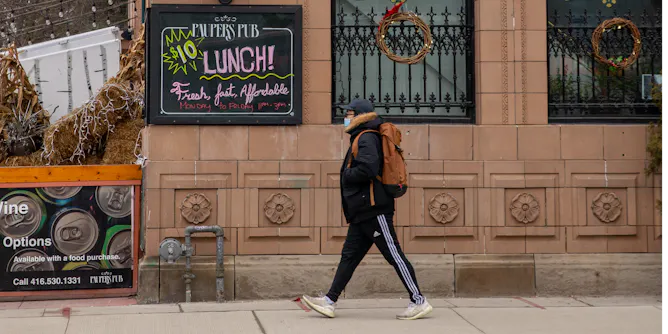
A new report looks at how the ongoing coronavirus pandemic is changing Toronto’s patterns.
Articles on Urban life
Displaying 21 - 40 of 115 articles

Walking all parts of Melbourne before and after the pandemic hit was eye-opening. It brought home just how much change is possible if we wish for a better, more sustainable way of living.

An increase in cyclists due to the COVID-19 pandemic means that cities need to look at what it means to develop and maintain inclusive bicycle infrastructure.
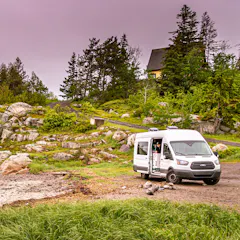
Understanding the experiences of van dwellers is important not just for those looking to cut their ties to rents and mortgages, but also for community planners and employers.

Nature is a promise of escape, a moment of relief and a relationship worth cherishing.
Politicians are keen to talk up the benefits of parks and other outdoor spaces – but less eager to spend money on their upkeep.

Rich and diverse microbiomes in our local environment are important for keeping us healthy.

City dwellers love their homes but there are different types of love that shape how cities are viewed and how they work.

First trains, then cars and, now, COVID-19 have all spurred New York to reimagine how its scarce space should be used – and what residents need to survive.
Tourists and homeless people share many common spaces, but homeless people are seen as being out of place.
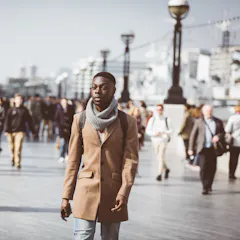
People moving to new cities build new connections and develop resources to meet their needs. But the pandemic has cut off access to the spaces and facilities that enable this.
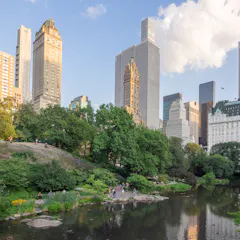
Frederick Law Olmsted, the designer of many great North American city parks, understood that ready access to nature made cities healthier places to live.
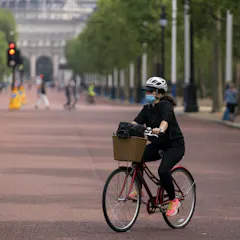
As lockdowns ease off, there is a danger that the old city traffic jams will soon be back with a vengeance.
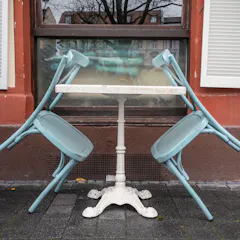
We sorely miss our regular haunts during the coronavirus lockdown not only because we like them but also because a healthy society needs places where people can gather, mix and mingle.

Cities can learn from past pandemics to see how communities and lifestyles are shaped by outbreaks.
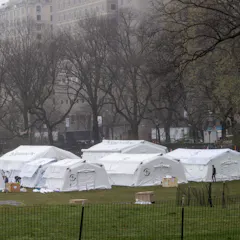
The impacts of coronavirus on cities are extraordinarily difficult. Yet around the world, cities are responding rapidly and decisively to the crisis and its implications for urban life.
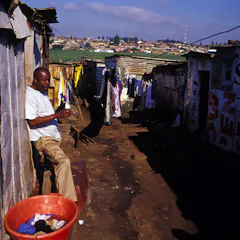
Lockdown should be nuanced to the South African context of overcrowded accommodation and high levels of domestic violence. Permitting cigarette purchases and exercise might assist.
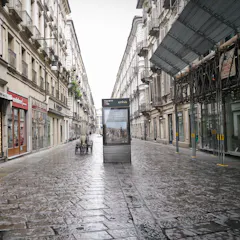
The lockdown has seen Italy’s urban life shift to new spaces.
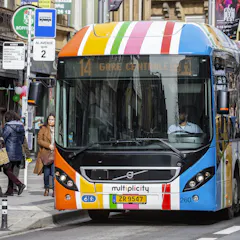
Fare free public transport exists in at least 98 cities and towns around the world.
Traffic congestion causes more problems than just being stuck in traffic. There are real effects on the health, quality of life and wallets of taxpayers.
Top contributors
-

Professor, Institute for Management & Innovation, University of Toronto
-
Professor of Architecture and Urban Design, The University of Melbourne
-
Associate Professor, Human Resources, Thompson Rivers University
-
Associate Professor, School of Built Environment, UNSW
-
Lecturer, Kumasi Technical University
-
Senior Lecturer in Urban Planning and Urban Design, The University of Melbourne
-
Co-Director, Initiative on Cities, Boston University
-
M.S. Candidate, Community and Regional Planning, The University of Texas at Austin
-
Director, Melbourne Sustainable Society Institute, The University of Melbourne
-
Assistant Professor of Community and Regional Planning and Director, Urban Information Lab, The University of Texas at Austin
-
Professor of Urban Policy and Director, Urban Futures Enabling Impact Platform, RMIT University
-
Adjunct Professor, Global, Urban and Social Studies, RMIT University
-
Associate Professor in Urban and Regional Planning, University of Sydney
-
Lecturer in Quantitative Social Sciences, University of Sheffield
-
Professor Sustainability and Urban Governance, RMIT University