
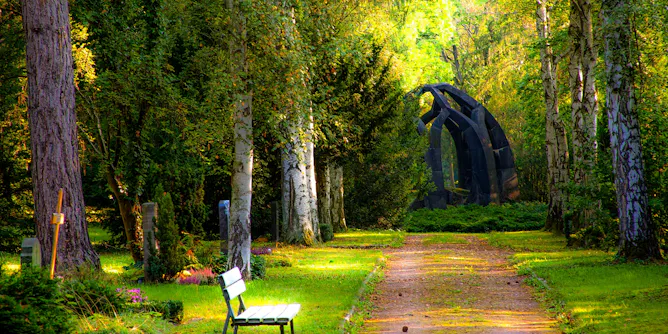
Research shows tranquility can help to boost levels of relaxation, reduce stress and even provide pain relief.
Articles on Urban life
Displaying 61 - 80 of 115 articles
Research shows planners and built environment professionals have surprisingly poor knowledge about how cities might harm mental health. The good news is that simple steps can make a big difference.
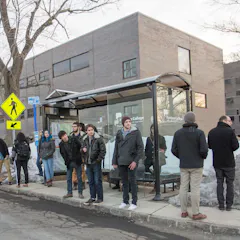
Many Americans live in transit deserts – areas where demand for transit exceeds the supply. To fix these gaps, we need to find and map them so agencies can add transit options in the right places.
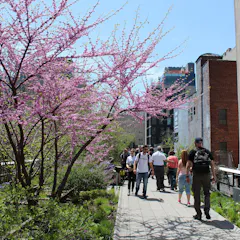
In an urbanizing world, people increasingly are seeking out nature in cities. Research shows that diverse species of animals, plants and insects can thrive in areas that humans have altered.
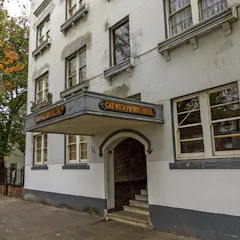
When wealth accumulation becomes the driver of urban regeneration, residents who already have little or no say in the future of our cities are further marginalised by gentrification.

Communities have an increasing desire to be informed and included in local art, design and infrastructure projects. This has inspired new ways of dealing with noise-afflicted areas.

Pollution, poverty, disease and death: future cities will be grim places, unless we do things differently.
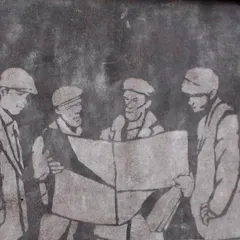
Over the past 15 years, community groups in a rundown inner-city district have created public murals as part of a successful process of reversing decades of stagnation.
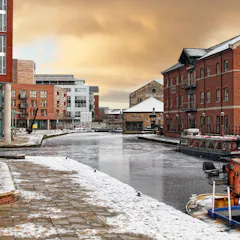
Toxic industrial processes put a distance between work, home and leisure. Now, in the post-industrial era, these functions are being reunited.

In contrast to perceptions of other homeless people sleeping rough, Darwin’s “long-grassers” are applying a long cultural tradition to deal with the situation in which they find themselves.
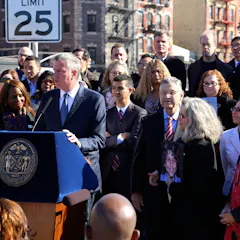
Hillary Clinton and Donald Trump have painted starkly different views of U.S. cities during the campaign. Will the next president deliver the funding and political support mayors are seeking?
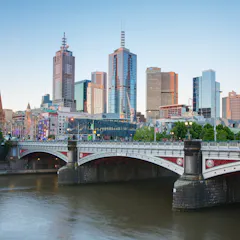
We’re still in the early days of understanding how cities work. But we do know that creative, healthy and productive cities have certain things in common – and it’s all to do with their ‘urban DMA’.
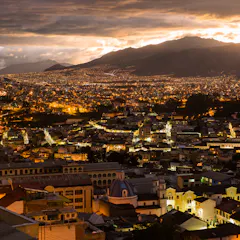
As many as 30,000 delegates gathered to decide the future of cities for the next 20 years – here’s how it played out.

Scholars of urban studies are acknowledging that the discipline is characterised by a fear of the dark and the night. But artists are giving us a creative language to engage with the darkness.
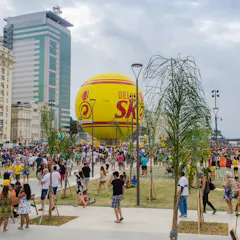
Corporations benefit from using public spaces during the Olympic Games – but Rio made sure local businesses also got a slice of the pie.
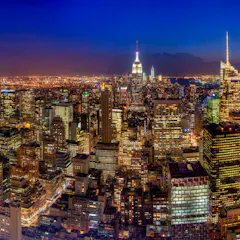
Worldwide real estate makes up 60% of the value of all global assets. But it’s being concentrated into the hands of a wealthy few.
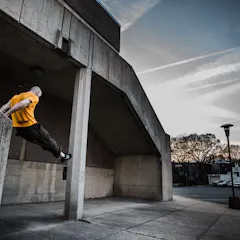
This playful form of rebellion is empowering people all over the world to move freely around their cities.
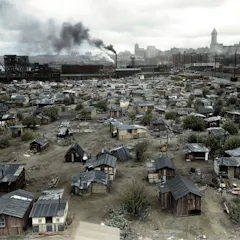
Like Brazil’s favela dwellers, America’s working poor felt a sense of pride and community in their shantytowns – and desperately resisted the powerful interests that sought to demolish them.
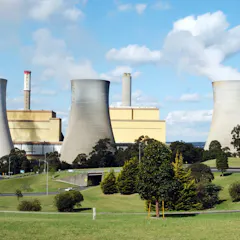
City-centric thinking arguably obscures connections between ‘humans’ and ‘nature’, and ‘urban’ and ‘rural’ or ‘wild’. Growing evidence of the depths of these links is testing the concept of ‘urban’.

The rhetoric of ‘smart cities’ is dominated by the economic, with little reference to the natural world and its plight. Truly smart and resilient cities need to be more in tune with the planet.
Top contributors
-

Professor, Institute for Management & Innovation, University of Toronto
-
Professor of Architecture and Urban Design, The University of Melbourne
-
Associate Professor, Human Resources, Thompson Rivers University
-
Associate Professor, School of Built Environment, UNSW
-
Lecturer, Kumasi Technical University
-
Senior Lecturer in Urban Planning and Urban Design, The University of Melbourne
-
Co-Director, Initiative on Cities, Boston University
-
M.S. Candidate, Community and Regional Planning, The University of Texas at Austin
-
Director, Melbourne Sustainable Society Institute, The University of Melbourne
-
Assistant Professor of Community and Regional Planning and Director, Urban Information Lab, The University of Texas at Austin
-
Professor of Urban Policy and Director, Urban Futures Enabling Impact Platform, RMIT University
-
Adjunct Professor, Global, Urban and Social Studies, RMIT University
-
Associate Professor in Urban and Regional Planning, University of Sydney
-
Lecturer in Quantitative Social Sciences, University of Sheffield
-
Professor Sustainability and Urban Governance, RMIT University