

In a busy city like London, green space is a valuable commodity.
Articles on Urban infrastructure
Displaying 61 - 80 of 96 articles
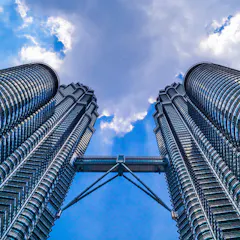
Like a 5D movie on speed, the city today defies conventional boundaries. This raises new questions about what we imagine to be ‘the city’ – and how we as a democratic community can shape it.
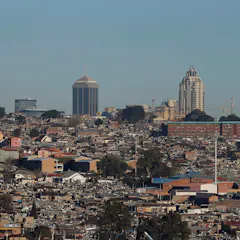
Populations revolt when lives are improving but not fast enough to meet their rising expectations.

Bigger cities increase wages, output and innovation, but also problems of congestion and pollution. Congestion charges can minimise these problems by dramatically improving traffic flows.
The Coalition, Labor, and the Greens are making substantial commitments to projects that not only lack proper business cases, but are not even on the Infrastructure Australia priority list at all.

Labor says that public sector infrastructure investment has fallen 20% under the Abbott-Turnbull government. Is that right?

Cities are home to many different people who will not always agree. We need to learn to embrace public debate as an ongoing, constructive process for working through diverse views and values.
The Turnbull government’s cities policy is the latest incarnation of ‘the-Commonwealth-knows-best’ approach, with little regard for whether urban issues are best resolved at the metropolitan level.
Using elements of game play, we can create incentives for people to change how and when they make various transport choices in ways that enable the whole system to work better.

Early residents in new communities are known as ‘pioneers’ – they arrive before many services are in place. A five-year study points to the many benefits of putting in good services early on.
The budget paints a picture of higher debt, little relief for growing cities crying out for infrastructure investment, and no detail of how City Deals might work to fix this.
How can we tell whether we have an infrastructure deficit? And if we do, how big is it?
Cycling could be a major part of the solution to London’s transport problems – it’s a shame the main mayoral candidates don’t see it that way.
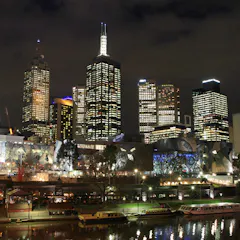
With the failures of past planning now apparent, the unruly threat of a damaged and depleting planet is ushering us toward a fourth era of urban restructuring. What might City v4.0 look like?
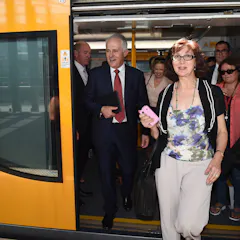
The ‘30-minute city’ goal is about more than urban rail and other transit projects. It means transforming our cities into centres of activity where work, study and services are all close by.

Would you take a longer route to work for the good of all?
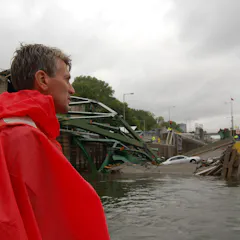
What do U.S. mayors worry about? A recent survey finds that aging infrastructure is a top concern – and many mayors say state and federal agencies hinder their efforts instead of helping.
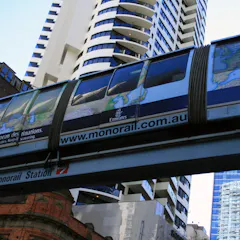
Infrastructure Australia’s latest report is substantial but, critically, it fails to incorporate the transport thinking needed to develop more compact cities that work better for everyone.
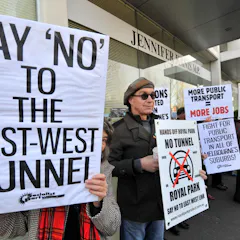
Communities want urban policy to deliver the right projects at the right time in the right place. Governments should embrace local citizens and interest groups as key players in crafting such policy.
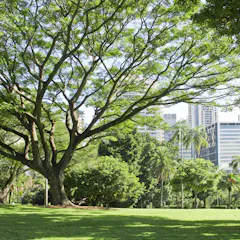
When communities are surveyed, green infrastructure is usually high on their list of urban planning priorities. But until now planners have lacked tools to quantify the long-term benefits.
Top contributors
-

Associate Professor of Urban Planning, The University of Melbourne
-
Transport and Cities Program Director, Grattan Institute
-
Professor of Urban Policy and Director, Urban Futures Enabling Impact Platform, RMIT University
-
Professor of Sustainability, Curtin University
-
Senior Associate, Disability Program, Grattan Institute
-
Associate, Grattan Institute
-
Senior Associate, Grattan Institute
-
Professor Sustainability and Urban Governance, RMIT University
-
Director, Centre for Western Sydney, Western Sydney University
-
Adjunct Professor, Institute of Transport and Logistics Studies, University of Sydney Business School, University of Sydney
-
Program Director, Housing and Economic Security, Grattan Institute
-
Professor of Housing Economics and Director, UK Collaborative Centre for Housing Evidence, University of Glasgow
-
Proprietor - Hale Consulting, The University of Melbourne
-
Collaborative Research Fellow, Sustainable Industries and Liveable Cities (ISILC), Victoria University
-
Lecturer, Australian Urban Design Research Centre, The University of Western Australia