
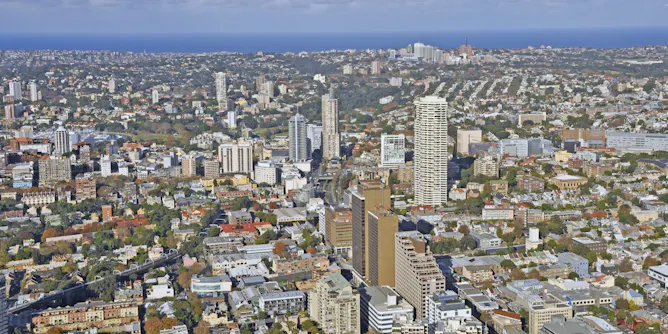
Scholars and planners have long pointed out the need in Australia’s big cities for democratic governance structures that operate at a citywide scale. Now Infrastructure Australia has weighed in.
Articles on Urban infrastructure
Displaying 41 - 60 of 96 articles
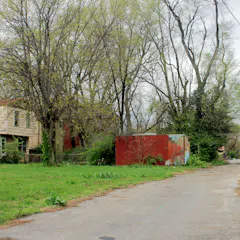
Urbanisation has been a well-established trend and for some countries will continue to be. But some others experience the opposite, resulting in underused and abandoned infrastructure.

Traditionally, new communities first get hard infrastructure – schools, hospitals, transport – and ‘soft’ social infrastructure comes later. Liveability and public health suffer as a result.

Drains take up precious but inaccessible open space in our cities. Converting these to living streams running through the suburbs could make for healthier places in multiple ways.
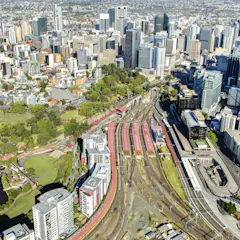
The rail project may well help get more commuters into the CBD, but offers few benefits for the parts of the broader metro area where most population growth is occurring.

A variable special rate on new residential housing developments in selected centres could be used to create a local incentive to supply more affordable dwellings at higher density.
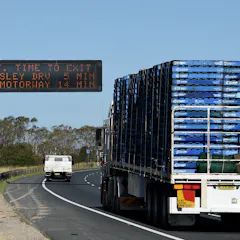
Australia should follow the lead of other nations like New Zealand and Switzerland and increase the charges for heavy vehicles on roads, proportionate to the amount of wear and tear they cause.
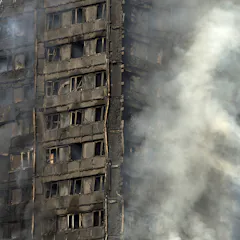
There are three key principles: prevent risk, evacuate users and minimise damage – in that order.
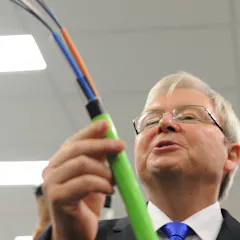
The highly politicised nature of the NBN has led to a lack of transparency that makes it even harder to fix the mess that has been made of this vital national infrastructure.
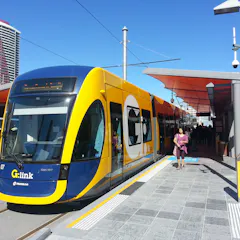
The light rail project pushed up property values within 800 metres of the stations by over 30% from 1996 to 2016. Gains on this scale offer a potential source of finance for public transport.
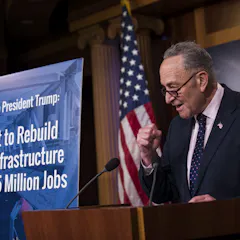
The trillions of dollars spent on infrastructure demands democratic transparency and accountability. This applies to both the investment and to the effects on cities, societies and the environment.
Suburban areas feel infrastructure stress most acutely. Having to deal with severe inadequacies, suburbs offer fertile ground for infrastructure experimentation and innovation.
Long-term privatisation contracts, most of them closed to scrutiny, lock urban infrastructure into 20th-century formats unsuited for a climate-threatened planet.
Politicised transport projects that flout proper process lead to hostility between residents and governments, and give planners a bad name.

Australia has lagged behind some other countries in its investment in smart cities, but in retrospect that may not have been such a bad thing.
Critical infrastructure is our means of survival as an urban species. So, we must identify what is critical, for whom and how it might fail us.

Building a second Sydney airport will be a demanding engineering project. But the real challenge will be one of governance needed to choreograph the mix of old and new city that will surround it.
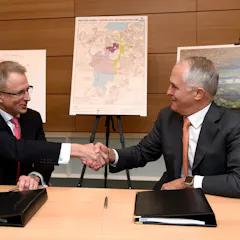
Consider these home truths: value capture is a tax, it would need to apply to the family home and deciding which areas it covers would be politically contentious. A broad-based land tax is simpler.
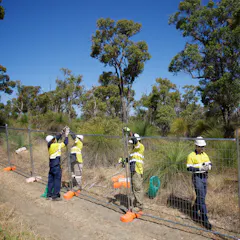
Perth’s Roe 8 project illustrates all that is wrong with how we are planning and managing infrastructure in our cities.
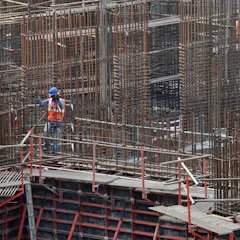
Future population growth is expected to take place almost entirely in cities. We won’t fight climate change without them.
Top contributors
-

Associate Professor of Urban Planning, The University of Melbourne
-
Transport and Cities Program Director, Grattan Institute
-
Professor of Urban Policy and Director, Urban Futures Enabling Impact Platform, RMIT University
-
Professor of Sustainability, Curtin University
-
Senior Associate, Disability Program, Grattan Institute
-
Associate, Grattan Institute
-
Senior Associate, Grattan Institute
-
Professor Sustainability and Urban Governance, RMIT University
-
Director, Centre for Western Sydney, Western Sydney University
-
Adjunct Professor, Institute of Transport and Logistics Studies, University of Sydney Business School, University of Sydney
-
Program Director, Housing and Economic Security, Grattan Institute
-
Professor of Housing Economics and Director, UK Collaborative Centre for Housing Evidence, University of Glasgow
-
Proprietor - Hale Consulting, The University of Melbourne
-
Collaborative Research Fellow, Sustainable Industries and Liveable Cities (ISILC), Victoria University
-
Lecturer, Australian Urban Design Research Centre, The University of Western Australia