

Linguistic rights are human rights that apply to majorities and minorities alike, not just at the discretion of those who hold power.
Articles on UNDRIP
Displaying 21 - 33 of 33 articles

Reconciliation can help address the interrelated global problems of climate crisis, interspecies displacement, gendered and racialized violence and white supremacist structures.
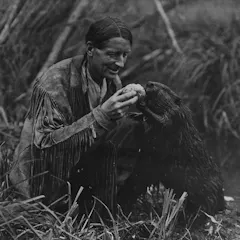
Those quick to call-out are often not clamouring for Indigenous nations’ jurisdiction over citizenship, nor are they demanding “pretendians” be held accountable to Indigenous nations.
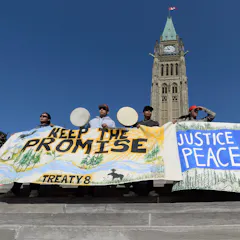
Is this decision a real ‘bombshell,’ as it has been depicted? Or does it represent an important step towards the implementation of UNDRIP within provincial and federal legal framework?
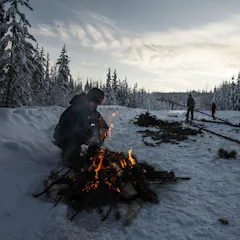
Indigenous land defenders: Don’t Call Me Resilient EP 6 transcript.

In this episode of our podcast, we take a look at Indigenous land rights and the people on the frontlines of these battles.
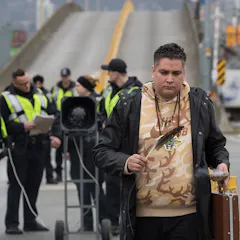
Canada is at a critical crossroads. The Wet’suwet’en conflict brings us to a deciding moment in Canada, one that will shape the future of the nation.

Indigenous land stewardship, resource extraction and corporate interests remain critical issues to addressing large-scale environmental concerns such as pollinator loss in Canada and beyond.
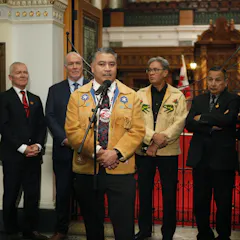
British Columbia recently introduced groundbreaking legislation to implement the rights of Indigenous Peoples. It’s impossible to overstate the importance of this historic achievement.
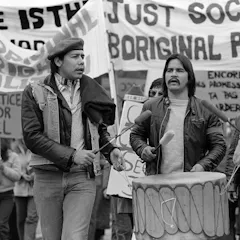
It’s the 12th anniversary of the UN Declaration on the Rights of Indigenous Peoples. Canada has yet to implement this declaration even though the TRC says the road to reconciliation needs to start here.
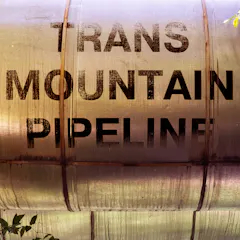
An Indigenous-led initiative to acquire partial ownership of the Trans Mountain pipeline could be a step towards reconciliation.
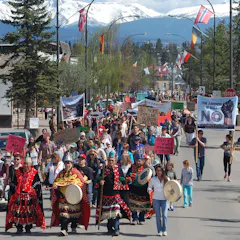
The We'suwet'en First Nation is fighting the Coastal GasLink pipeline project, which would stretch nearly 700 kilometres across northern B.C. through their unceded land.

The headlines suggest the Supreme Court of Canada has ruled against Indigenous consultation. But its recent ruling is much more nuanced and complex than that.
Top contributors
-

UN Expert Mechanism on the Rights of Indigenous Peoples (EMRIP) and Professor in Political Science, Global Affairs and Public Policy, University of Toronto
-
Assistant professor in Indigenous Governance, École nationale d'administration publique (ENAP)
-
Senior Lecturer of Indigenous Studies, Indigenous Education and Research Centre, James Cook University
-
PhD Student, University of Guelph
-
Executive Co-Director, UNU Hub on Empowering Communities to Adapt to Environmental Change, United Nations University; University of Calgary
-
Grand Council Chief of the Anishinabek Nation
-
Adjunct professor, Monash University
-
Director of Environment for Chiefs of Ontario
-
Associate Professor of Economics, University of Manitoba
-
Professor; Director, Indigenous Rights and Resource Governance Research Group; Faculty at the Balsillie School of International Affairs, Wilfrid Laurier University
-
Associate Professor of Geography, University of Guelph
-
Research Associate, Finding Flowers Project, Faculty of Environmental Studies, York University, Canada
-
Vice President Research and Public Policy, Canadian Council for Aboriginal Business
-
Assistant Professor, College of Law, University of Saskatchewan
-
Chair of the Board for Community Circle