

A number of recent studies indicate people who have had COVID are more likely to be diagnosed with diabetes.
Articles on Type 1 diabetes
Displaying 21 - 40 of 47 articles

With such a sharp increase in global prevalence, it’s clear that diabetes is spiralling out of control. It can no longer be ignored.

The rapid rise in diabetes mustn’t be overlooked, as it could have devastating health and economic effects. Most national health systems are already struggling with infectious diseases.

How a seaweed extract could help treat type 1 diabetes.

New data shows the threat posed by COVID-19 differs significantly between people with type 1 and type 2 diabetes.

A drug created to target this gene was found to be effective in treating autoimmune conditions like lupus and psoriasis.

Women with diabetes are at high risk of pregnancy complications. But there is a lot women can do to have a healthy pregnancy and a healthy baby.

World Diabetes Day provides an opportunity to look at the messaging around Walmart insulin, touted as a solution to soaring insulin prices. Cheaper insulins may not work as well for many people.

Many couples share exercise, eating and weight patterns. Families of women with gestational diabetes and gestational hypertension more likely to develop Type 2 diabetes in the future.

A small patch allows people with diabetes to measure their blood glucose levels easily. But this technology isn’t currently subsidised, so many everyday Australians who could benefit are missing out.

First, scientists wanted to decode all three billions units of the human genome. Now, a new effort will identify all the cell types in the human body to discover the roots of diseases, like diabetes.

The diabetes epidemic can be fought through new therapies, prevention programmes and effective junk food legislation.

Nutrition expert – sugar does not cause type 2 diabetes on its own.

Humble hydrogels could one day replace hypodermic needles and repair damaged hearts.

We are seeing increasing numbers of young, slim children with type 2 diabetes. This means obesity and lifestyle factors may not be the whole story behind the disease’s rising rates.

As people with chronic conditions age or as their health changes, they sometimes need less medication. So when, should a person’s drugs be scaled down?
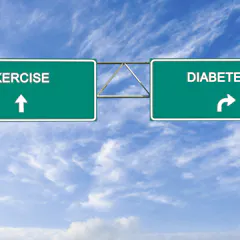
Many diabetics avoid exercise because it upsets their insulin levels, and there is little medical advice on how to keep them safe. Here is an attempt to redress the balance.

As more and more babies are delivered by cesarean section, we need to start investigating what that means for their long-term health.

A British woman has become the first diabetic to give birth naturally using an artificial pancreas.

Death rates for young men with type 1 diabetes in the UK have shot past similar figures for Western Europe. Greater focus on adolescents could save lives.
Top contributors
-

Assistant Professor of Health Promotion and Policy, UMass Amherst
-
Associate Professor, Health Sciences, University of Waikato
-
Associate Professor in Experimental Diabetes, University of Exeter
-
Reader in Molecular Medicine, University of Bristol
-
Lecturer in Diabetes Care, Edinburgh Napier University
-
Assistant Professor of Internal Medicine, University of Michigan
-
Reader School of Medicine, University of Dundee
-
Professor of Medicine , University of Florida
-
Senior Lecturer in Pharmaceutical Sciences, Queen's University Belfast
-
Professor of Paediatric Surgery, University of Oxford
-
Professor of Pharmaceutics, De Montfort University
-
Professor of Health Policy and Population Health, New York University
-
Nutritional Science, University of Leeds
-
Professor of Medicine, Monash University
-
Professor of Internal Medicine, University of Michigan