
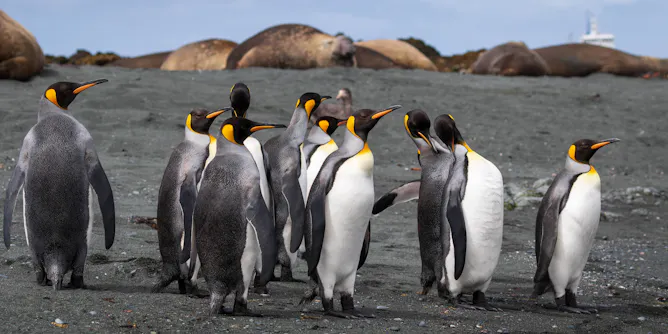
Understanding the true magnitude of the current H5N1 outbreak is key to curbing its spread.
Articles on Disease risk
Displaying 1 - 20 of 25 articles

Genetics may only partially determine a newborn’s risk of developing Type 1 diabetes. Screening umbilical cord blood could lead to earlier treatments to prevent or reduce disease.

Cleaning up after a flood can be time-consuming and confronting. It can also be risky. Here’s what to keep in mind when you return home.

It’s easy to get caught up in the promise of quick health fixes, but they are generally too good to be true.

A new study in mice suggests fasting could increase the risk of cancer. Yet previous research has said the opposite. Here’s what to make of these conflicting findings.
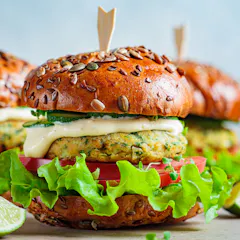
When we look at the study itself, it seems the media coverage has focused on a tiny aspect of the research, and is misleading.
It turns out that, although such measurements are important, waist circumference and ratio to height are not the whole story when it comes to your risk of disease and death.
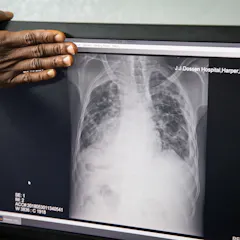
Seven African countries have managed to reduce TB deaths by a third.

Potassium-enriched salt tastes like regular salt and you don’t need to change how you cook or season your food. You just need to switch the type of salt you buy.

Racial threats and slights take a toll on health, but the continual invalidation and questioning of whether those so-called microaggressions exist has an even more insidious effect, research shows.

High levels of diarrhea, scabies and respiratory infections have been reported as bombing campaign progresses – and children are the most vulnerable.
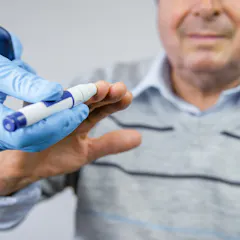
Diabetes rates worldwide have been rising steadily since the early 1990s when these data were first estimated. This trend is only going up.
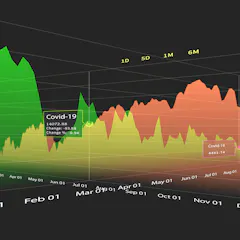
It’s not entirely accurate to say that you’re more likely to die in a car accident than in a plane crash. Chances are, you’re not the average person.

Genes and environments almost always combine to influence our risk of diseases. Research in twins has helped us understand how.
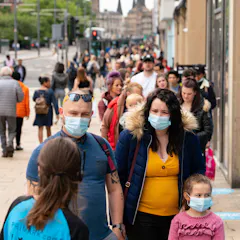
The freedom to do as you please impinges on the freedom of others to protect themselves from COVID-19.

The public and the media need to be careful not to jump to conclusions when assessing new research.
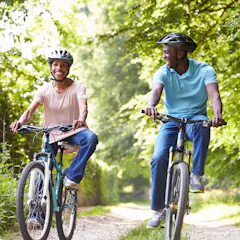
New research suggests people who exercise for 150 minutes a week are half as likely to die from COVID-19 compared to those who are consistently inactive.

Age, obesity and being male all increase the risk of COVID, but being wealthy is a protective factor.

The cutting-edge tools could greatly expand our understanding of different species’ immune systems, and also help humans prepare for future disease outbreaks.

New data shows the threat posed by COVID-19 differs significantly between people with type 1 and type 2 diabetes.
Top contributors
-

Assistant Professor of Health Promotion and Policy, UMass Amherst
-
Assistant Professor of Global Health Management and Informatics, University of Central Florida
-
Professor of Public Health, Teesside University
-
University of Tasmania
-
Lead Research Scientist at the Institute for Health Metrics and Evaluation, University of Washington
-
PhD student in Nutritional Epidemiology, University of British Columbia
-
Director of The Vaccine Centre, London School of Hygiene & Tropical Medicine
-
Professional Research Fellow, University of Tasmania
-
University of Tasmania
-
Extraordinary Senior Lecture in the Department of Global Health, Stellenbosch University
-
Associate Professor, Faculty of Pharmaceutical Sciences, University of British Columbia
-
Program Director of Nutrition and Food Sciences, Accredited Practising Dietitian, Adelaide University
-
Executive Director, George Institute Australia; Professor of Medicine, UNSW
-
Associate Professor of Psychiatry and Neuroscience, Emory University
-
Assistant professor, University of Guelph