
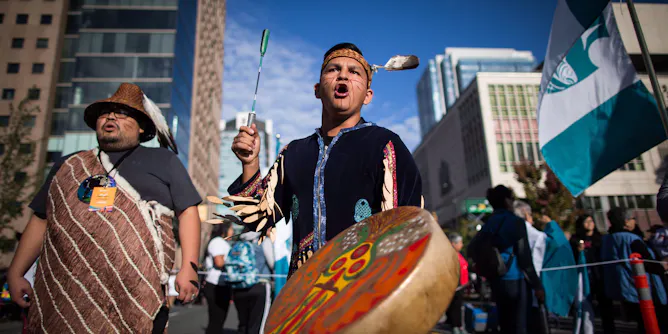
It’s been three years since the TRC released its report on the lasting impact of residential schools in Canada but responses to the 94 Calls to Action have been slow. A new framework hopes to change that.
Articles on Truth and Reconciliation Commission
Displaying 41 - 60 of 61 articles
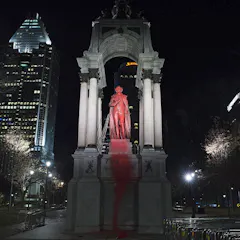
Removing statues of historical figures may be important symbolic statements when it comes to reconciliation, but action on important Indigenous issues like land claims and education are needed more.
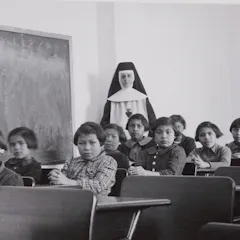
Ontario’s move to ignore the calls of the Truth and Reconciliation Commission to add Indigenous content to its history and social studies curriculum is foolish and dangerous.
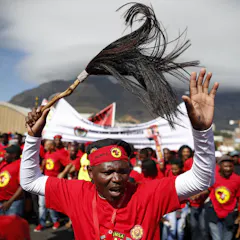
South Africa marks 24 years of freedom amid continuous contests over over governance, economic justice as well as reconciliation and inclusion.

The role of universities in the shameful Indian residential school system needs to be addressed. The president of one of Canada’s leading universities explains why it’s time to apologize.
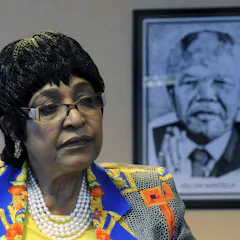
Winnie Madikizela-Mandela’s struggle was for humanity, oftentimes waged in an inhuman way.
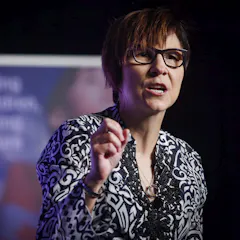
No project for reconciliation can succeed unless the federal and provincial governments roll back their power and create space for Indigenous control over their own self-determining futures.
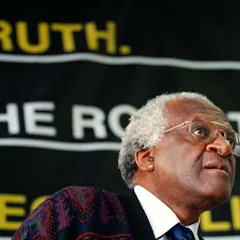
Inquests into atrocities committed under apartheid are important because many South Africans are beginning to question whether justice was done under the country’s truth and reconciliation process.
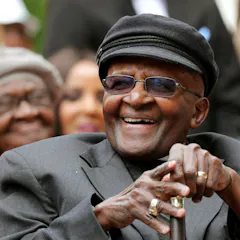
Emeritus Archbishop Desmond Tutu embraces everything noble in Aristotelian virtue ethics and African philosophical systems alike.
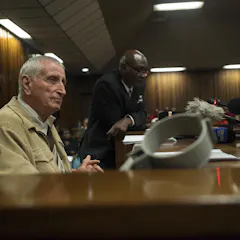
Will the Timol case create the necessary political will to open dozens more inquests into apartheid deaths? Maybe, but government machinery has proven to be rusty and extremely slow.
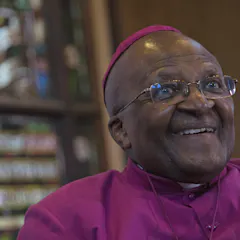
Archbishop Desmond Tutu is first and foremost, a spiritual leader, a man of deep prayer. This motivated his participation in supporting South Africa’s liberation struggle.
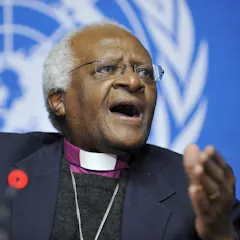
Archbishop Bishop Desmond Tutu is well known for having invoked an ubuntu ethic to evaluate South African society, and he can take substantial credit for having made the term familiar.
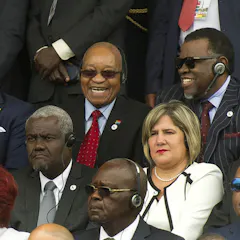
Raising the status of the African languages to that of official languages in South Africa post-1994 led to an explosion of translation and interpreting work in local and foreign languages.
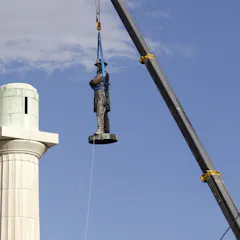
Monuments to the Confederacy in New Orleans and many other cities are problematic. But a mere erasure will not address the issues around racism and racial inequality.
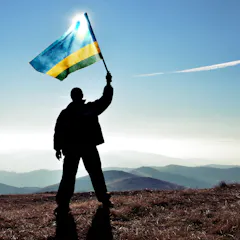
The road to reconciliation doesn’t begin and end with truth commissions or trials. Change must occur at a systemic level, and communities must commit to rebuilding relationships.

The first US Truth and Reconciliation Commission was set up in 1999. Here’s why truth commissions matter today.
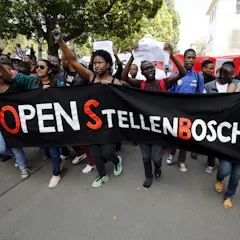
Next year South Africa’s Stellenbosch University will celebrate its centenary. A recent conference to discuss the anniversary has reminded everyone present that knowledge is a fickle mistress.

Since the future is so uncertain, South Africa’s best response to Trump’s election is to learn the lessons of its causes.
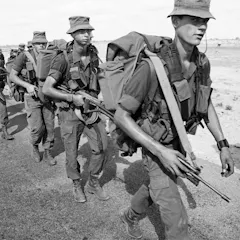
The impact that the system of conscription had on the roughly 600,000 white men who became both pawns and agents of the apartheid state has seldom been publicly acknowledged.
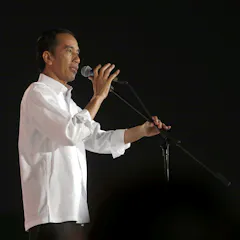
Activists and victims of human rights abuses in Indonesia are worried that a new rights committee will not stop the culture of impunity.
Top contributors
-

Professor of Journalism and Media Studies, Rhodes University
-
Professor of Geography and Senior Research Associate in the Rock Ethics Institute, Penn State
-
Professor, Faculty of Education, University of Manitoba
-
Assistant Professor, Political Science, Brock University
-
Senior Lecturer (Radical Humanities Laboratory, University College Cork), University College Cork
-
Senior Lecturer, Department of Historical and Heritage Studies, University of Pretoria
-
Professor of Political Studies, University of Johannesburg
-
Post-doctoral fellow in History, University of South Africa
-
Professor of Divinity, Harvard University
-
Research Chair in Studies in Historical Trauma and Transformation, Stellenbosch University
-
Professor Emeritus of History, University of Saskatchewan
-
Professor, History of Education, Queen's University, Ontario
-
Derek H. Alderman is a Friend of The Conversation.
Chancellor's Professor of Geography, University of Tennessee
-
Senior Research Fellow, Centre for the Advancement of Scholarship, University of Pretoria., University of Pretoria
-
Senior Lecturer, Edge Hill University