
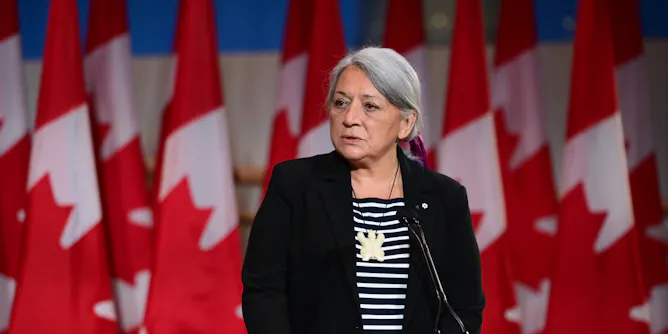
Being Canada’s next governor general will be Mary Simon’s most challenging diplomatic mission yet.
Articles on Truth and Reconciliation Commission
Displaying 21 - 40 of 61 articles
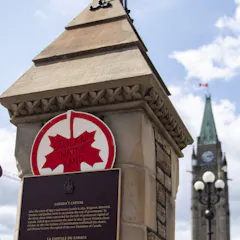
Considering our relationships to stories about the past and looking at learning as a process of encounter can help Canadians to become better treaty partners.
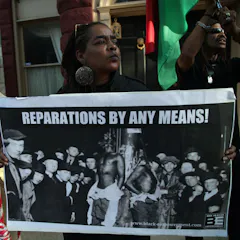
As the US debates reparations for descendants of slavery, cases in Africa help illustrate the limits of programs focused solely in financial restitution.
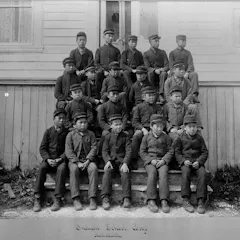
The destruction of IAP residential school records and media reports that continually emphasize compensation will ensure that if remembered, the process will be remembered through a colonial gaze.

Narratives that historicize colonialism are not new. Canadians and our leaders have a long history of denying our settler colonial present.

The first of a series of fatal flaws in the idea is about where to draw the line.
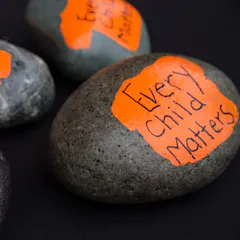
A study in one Alberta school board found racism contributes to poor attendance of on-reserve Indigenous students in public schools, despite educators not recognizing this as a barrier.

In each of his novels, he explored questions that shifted South Africa’s cultural debates, especially about memory and race.

His appearance on behalf of the families of mine workers shot by the police at the Marikana Commission of Inquiry was just one of his efforts to seek justice for the poor and marginalised.
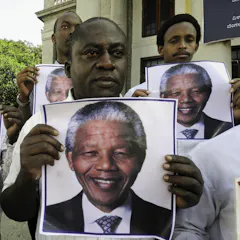
Mandela left at the right time in 1999, when the country still seemed in a healthy state, after which he consolidated his international reputation.
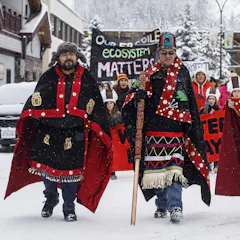
Reconciliation cannot be achieved by the brute force of the RCMP or the self-interests of energy companies.
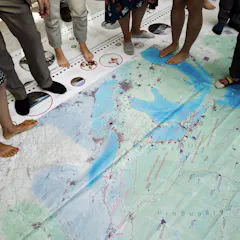
Decolonized education means working with settler teachers to overcome guilt and find the courage to acknowledge privilege, racism and colonialism to work in partnership for a better future.

The Timol ruling will not only have implications for crimes under apartheid, but also put the focus on torture within the South African Police Service.
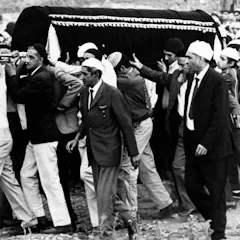
In South Africa’s criminal justice system post-1994, the Timol case is the first to enact what can be properly understood as restorative justice.
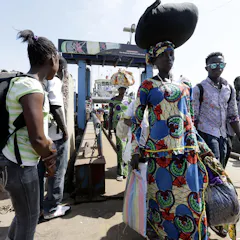
Criminal trials await those found responsible for the most serious crimes in The Gambia.
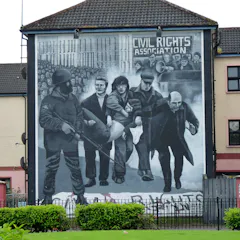
Why a broad amnesty for Northern Ireland’s Troubles remains unlikely.
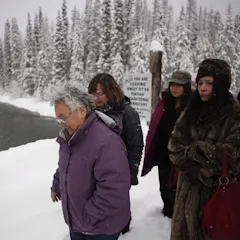
It’s time to engage with Indigenous people through the governance systems built prior to European settlement.

Hugh Lewin is best known for two books that arose from his early involvement in the anti-apartheid underground.

Twenty years after the final report of South Africa’s Truth Commission, dealing with the past will always remain “unfinished business”.

South African editors and journalists failed in their ethical contract with society.
Top contributors
-

Professor of Journalism and Media Studies, Rhodes University
-
Professor of Geography and Senior Research Associate in the Rock Ethics Institute, Penn State
-
Professor, Faculty of Education, University of Manitoba
-
Assistant Professor, Political Science, Brock University
-
Senior Lecturer (Radical Humanities Laboratory, University College Cork), University College Cork
-
Senior Lecturer, Department of Historical and Heritage Studies, University of Pretoria
-
Professor of Political Studies, University of Johannesburg
-
Post-doctoral fellow in History, University of South Africa
-
Professor of Divinity, Harvard University
-
Research Chair in Studies in Historical Trauma and Transformation, Stellenbosch University
-
Professor Emeritus of History, University of Saskatchewan
-
Professor, History of Education, Queen's University, Ontario
-
Derek H. Alderman is a Friend of The Conversation.
Chancellor's Professor of Geography, University of Tennessee
-
Senior Research Fellow, Centre for the Advancement of Scholarship, University of Pretoria., University of Pretoria
-
Senior Lecturer, Edge Hill University