
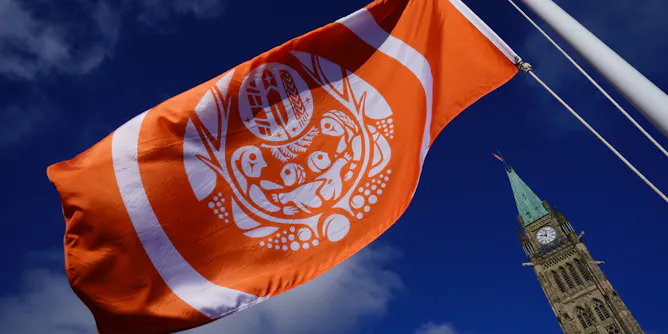
To fully implement the UN Declaration on the Rights of Indigenous Peoples, Canada must engage in genuine and inclusive law reform.
Articles on Truth and reconciliation
Displaying 21 - 40 of 57 articles
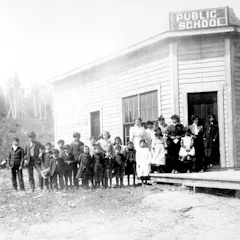
In B.C., residential school principals sat on public school boards, and some Indigenous children even attended public schools. Understanding such links matters for truth and reconciliation.

A Catholic theologian writes about why papal apologies can be meaningful, even when some may see them as mere words.
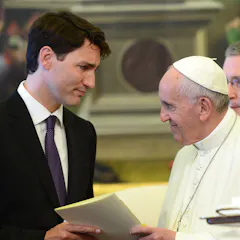
It is worth considering whether efforts to enlist the church in reconciliation have been helped or hindered by how settlers think about early written records.

Linguistic rights are human rights that apply to majorities and minorities alike, not just at the discretion of those who hold power.
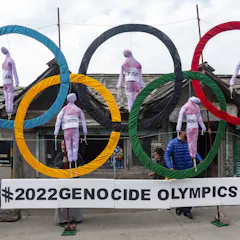
The similarities between ongoing settler-colonialism in China and the history of settler-colonialism in Canada are frighteningly similar.
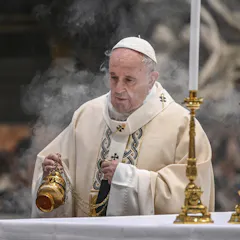
A papal apology, if done in ‘a good way,’ could help remove barriers to transforming harmful relationships between Indigenous Peoples and the Catholic Church.

A better understanding of what most genocide scholars believe can help people understand how Canada’s Indian Residential School system fits with the definition of genocide.

Whatever its flaws, it doesn’t mean the government action plan should be ignored or opposed. Rather, more needs to be done to achieve its goals.
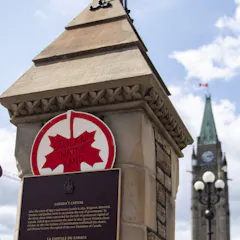
Considering our relationships to stories about the past and looking at learning as a process of encounter can help Canadians to become better treaty partners.
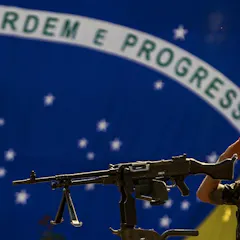
Don’t be fooled by the recent resignation of three members of the military in Brazil – the country is heading down an increasingly militarised path.
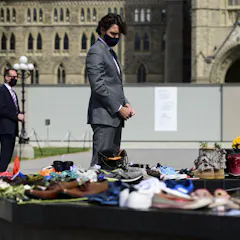
Canada has officially recognized eight genocides that have happened around the world. It has not done the same for its own treatment of Indigenous children who they sent to Indian Residential Schools.
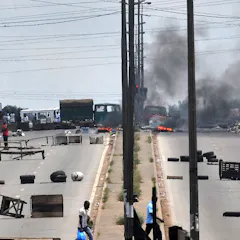
Based on the Cote d'Ivoire experience, the United Nations must reconsider its emphasis on coordinating reintegration and transitional justice irrespective of the post-war context.
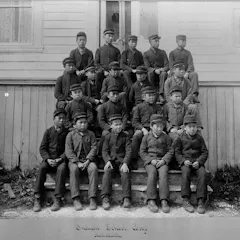
The destruction of IAP residential school records and media reports that continually emphasize compensation will ensure that if remembered, the process will be remembered through a colonial gaze.
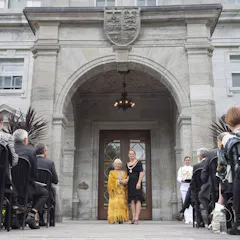
Canada’s new governor general will have to fuse the British, French, American and Indigenous elements of Canada that together are the core of the country.
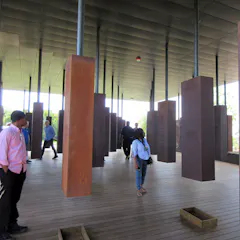
Research into how war-torn and fractured nations find justice and societal reconciliation finds ways to establish sustainable and lasting peace in divided societies.

The RCMP have long been responsible for violence against Indigenous people.
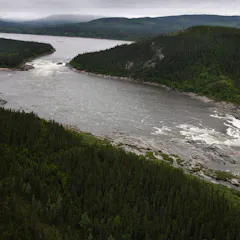
The mainstream news media has been biased in its reporting and portrayal of Indigenous Peoples on stories about renewable energy projects. What and how can they do better?
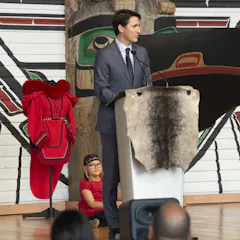
Political scientists concern themselves with ideas of democracy. Now that Canada’s PM has accepted the finding of genocide, this changes how and what political scientists need to discuss.
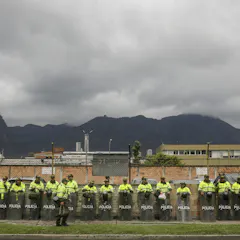
Colombia’s new president opposes the 2016 peace deal with the FARC guerrillas. As trust between the government and militants erodes, at least 1,700 former insurgents have returned to armed struggle.
Top contributors
-

Professor of Political Science, University of Guelph
-
Associate Professor, Departments of History and Indigenous Studies, University of Manitoba
-
Professor, Faculty of Education, University of Manitoba
-
Professor, Lancaster Law School, Lancaster University
-
Research fellow at the International Development Department, University of Birmingham
-
Senior Lecturer, Edge Hill University
-
Professor and Canada Research Chair in Children, Families and Armed Conflict, McGill University
-
Associate Professor, Design Anthropology, Swinburne University of Technology
-
Professor, School of International Relations, University of St Andrews
-
Lecturer in European Studies, University of Sydney
-
Assistant researcher, University of Sydney
-
Professor and Chair of Gender and Women's Same-Sex Relations Crossculturally, University of Amsterdam
-
Research fellow, Queen's University Belfast
-
Professeur associé/Adjunct professor, École nationale d'administration publique, École nationale d'administration publique (ENAP)
-
Lecturer, University of Aberdeen