
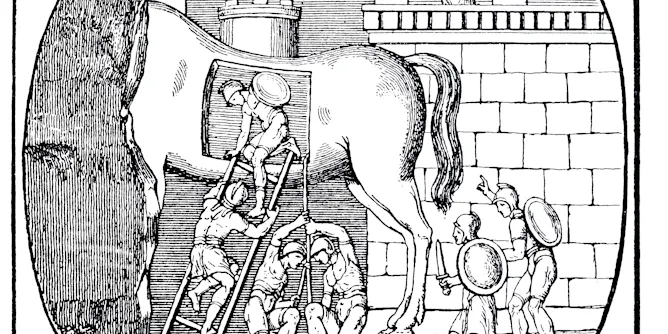
Most people think of trust as active – you place your trust in someone or you don’t. But weak cybersecurity, like leaving your front door unlocked, is a matter of trust, too.
Articles on Trust
Displaying 121 - 140 of 250 articles
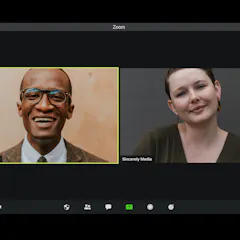
Eye contact is essential for building and developing trust. But after more than a year of working and socializing online, our ability to make and maintain eye contact has been diminished.

With distrust for school officials prevalent during the pandemic, an educational historian calls attention to the need for officials to have more positive relations with educators and parents.

Surveys suggest people trust companies more than government and the media, showing they have an important role in helping end the pandemic.

Narcissism is relatively common among managers and can damage their relationships with employees. Yet some narcissists can enourage trust despite their shortcomings. So how can they be detected?
A tweet led a scholar to consider how misinformation is changing the ways we evaluate information and trust others.

Creating a space where people feel safe to voice opinions, make mistakes and risk ridicule when offering an idea can have a significant effect on teams.
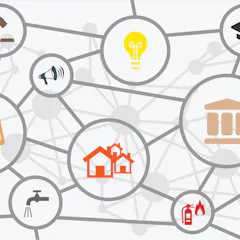
Recent survey results show the Australian public is becoming more satisfied with the federal public services.

Remote work has enabled us to have a new-found appreciation for the acquisition of skills and allowed us to witness manifestations of our shared values in a more transparent way.
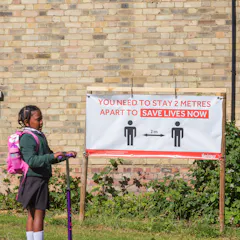
Success in tackling the coronavirus pandemic may rely on how well authorities maintain public trust.

A new report shows Australians on the whole don’t know a lot about how AI is used today, have little trust in the technology, and believe it should be carefully regulated.

Citizens feel disillusioned, but it’s not all bad news.
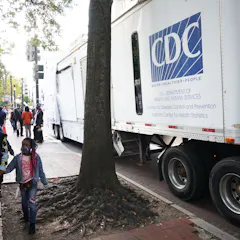
The CDC has released conflicting messages on masks and transmission of the coronavirus. A scholar explains the nature of trust and why institutions need to be careful.

On paper, WE Charity could have been the best partner to implement the federal government’s student grant program. But the failure to be transparent eroded the public’s trust and led to its demise.
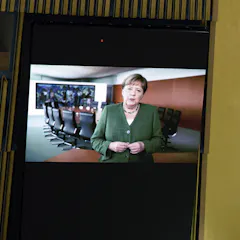
When diplomacy is done online, it’s hard to pick up on the gestures and micro-expressions that help create trust.
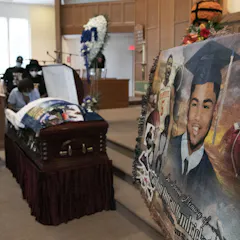
A new analysis shows that the many Americans who have experienced being threatened by a gun or suffering a gunshot wound are significantly less likely to believe most people can be trusted.
As people file their taxes in a year where many are going through financial hardships brought on by COVID-19, a scholar argues that cheating on one’s taxes would still be morally wrong.

Collecting, analyzing, aggregating and communicating data collected from businesses and industries can help consumers make purchasing decisions that align with their values.

Experts recommend adopted children be told about their origins, no matter how difficult the circumstances, but doing so is tricky for adoptive parents.
While trust in media has risen in both the US and Australia, a sharp partisan divide is apparent in Americans’ trust in media.
Top contributors
-

Professorial Fellow, University of Canberra
-
Adjunct professor, Charles Sturt University
-
Senior lecturer, University of Canberra
-
Director of the Center for Trust Studies, Professor of Management and Organizations, University of Arizona
-
Professor of Political Communication; Director CAJ, The University of Melbourne
-
Chair in Trust, Professor of Management, The University of Melbourne; Melbourne Business School
-
Dean of Global Business, The Fletcher School, Tufts University
-
Chair in Governance, University of Southampton
-
Professor of Public Relations, Michigan State University
-
Director, Vice-Chancellor's Centre of Public Ideas (CoPI) and Donald Horne Professor of History and Public Ideas, University of Canberra
-
Assistant Professor of Political Science, Iowa State University
-
RBC Professor in Responsible Organizations and Full Professor, Concordia University
-
Associate Professor of Management, York University, Canada
-
York Research Chair and Associate Professor, York University, Canada
-
Professor in Psychology, Keele University