
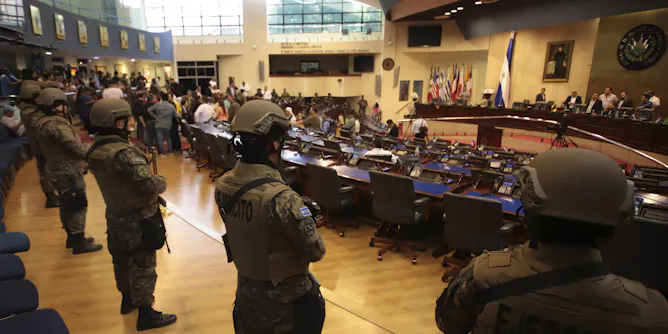
For the commitment to democracy to regain strength across the Americas, citizens need to become more confident in the integrity of their elections and their elected officials.
Articles on Trust
Displaying 101 - 120 of 250 articles
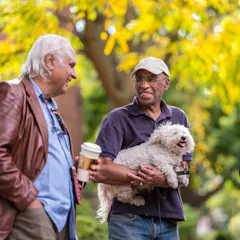
The presence of pets makes people seem more trustworthy, research has found. People are more likely to help a stranger with a dog or another pet than a person without one.

Despite the belief that people are deeply skeptical of strangers, study after study shows that humans are primed to trust one another.

People often try to seem confident and certain in their message so it will be trusted and acted upon. But when information is in flux, research suggests you should be open about what you don’t know.
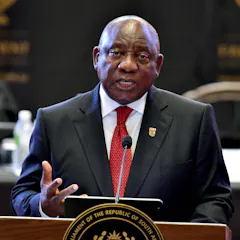
Reviving the capacity of the state is also crucial to shoring up support for democracy in the long term.
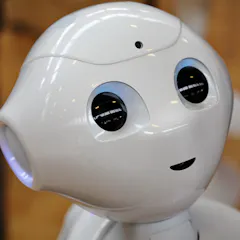
When it comes to trust, people like their robots to have human expressions – just not too human.

A panel of experts answer questions about vaccines, omicron and other COVID-related issues in a discussion with The Conversation.
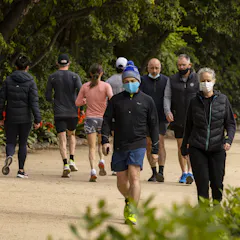
The Scanlon Foundation Research Institute’s 2021 Mapping Social Cohesion Report found that while concern about the pandemic ebbs and flows, COVID has not shaken the nation’s social cohesion.
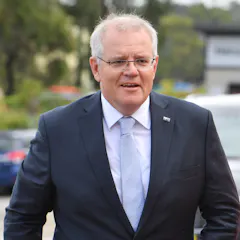
Michelle Grattan discusses the political week that was with Vice-Chancellor Paddy Nixon.

Two sociologists conducted interviews with atheist scientists and found that their views on religion are not as strident as the public perceives. Some even go to church.

A new study found that having a trusting manager made employees feel more positively about their work.

Trust is needed to curb vaccine hesitancy. Governments need to explain vaccines and other public health measures, while also speaking to the broader purpose of caring for the community we belong to.
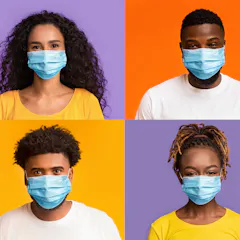
Without appropriate support, it’s more likely people will break COVID restrictions, for example go to work, or gather in family groups for support.
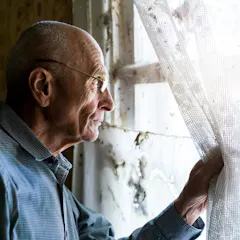
Over the course of the pandemic, there’s been an increase in many aspects of social cohesion.
But this may be slipping as lockdowns drag on. Here’s how we measured social cohesion, and why.
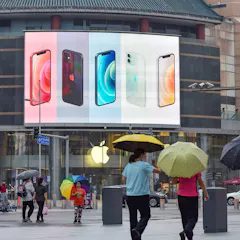
Big Tech makes a lot of promises about protecting privacy, but the reality is that using the industry’s products is a matter of trust.

Several studies found that using the excuse ‘I don’t have time’ when declining an invitation harmed the relationship with the person who extended it.
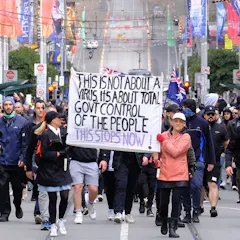
Equality and corruption perceptions appear to explain more than 80% of the differences in trust levels between nations.

The strong disapproval of the South African government’s handling of the pandemic is a warning that crafting persuasive pro-vaccine messages is not enough.
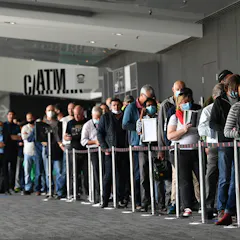
The federal government has had a patchy pandemic, to say the least. But COVID has also highlighted remarkable social discipline in the Australian people.

The new EU regulation is about to change the way we do artificial intelligence. The United Nations needs to follow suit.
Top contributors
-

Professorial Fellow, University of Canberra
-
Adjunct professor, Charles Sturt University
-
Senior lecturer, University of Canberra
-
Director of the Center for Trust Studies, Professor of Management and Organizations, University of Arizona
-
Professor of Political Communication; Director CAJ, The University of Melbourne
-
Chair in Trust, Professor of Management, The University of Melbourne; Melbourne Business School
-
Dean of Global Business, The Fletcher School, Tufts University
-
Chair in Governance, University of Southampton
-
Professor of Public Relations, Michigan State University
-
Director, Vice-Chancellor's Centre of Public Ideas (CoPI) and Donald Horne Professor of History and Public Ideas, University of Canberra
-
Assistant Professor of Political Science, Iowa State University
-
RBC Professor in Responsible Organizations and Full Professor, Concordia University
-
Associate Professor of Management, York University, Canada
-
York Research Chair and Associate Professor, York University, Canada
-
Professor in Psychology, Keele University