
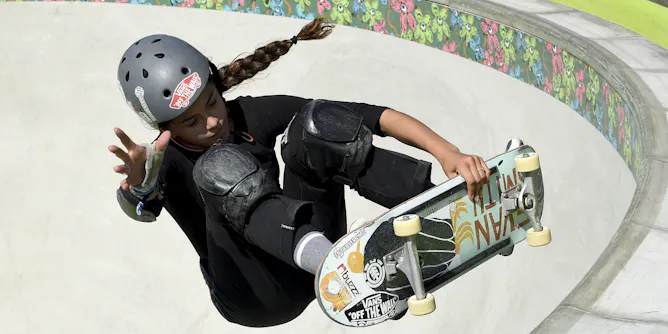
Skateboarding will make its Olympic debut in Tokyo but research shows female athletes are likely to cop abuse online when the competition starts.
Articles on Trolling
Displaying 21 - 40 of 90 articles
A gentle nudge to rethink our social media posting could significantly reduce online abuse.

People appear to victim-blame celebrities for the abuse they suffer on Twitter.
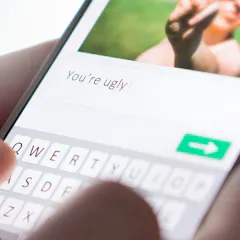
A new Australian study shows if a person has high levels of sadism and high self-esteem, they are more likely to troll.
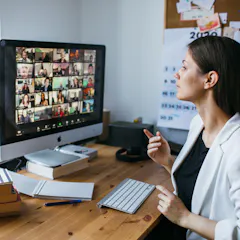
Zoom-bombing disrupts people’s use of the Zoom platform for work, study and socializing. Zoom-bombing events have included racist and misogynist attacks on users.

Incidents of racism have risen sharply but football institutions are failing to address the issue properly

We found about 300 suspicious Twitter accounts, which we suspect included a high proportion of bots and trolls pushing the #ArsonEmergency narrative.
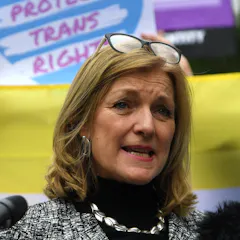
The proposed amendments would provide much-needed updates to Victoria’s vilification laws and bring the state in line with NSW, Queensland, Tasmania and the ACT.
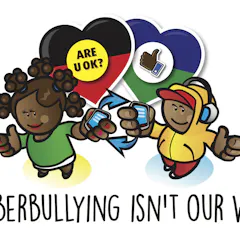
Online abuse has been in the spotlight during this election campaign and AFL season. But researchers and policy-makers alike need to do more to understand cyberbullying against Indigenous Australians.
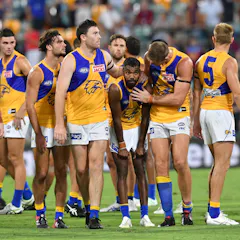
Online trolling is a workplace health and safety issue. The AFL must expose and sanction those responsible – anything less would not only be morally debatable, but also legally questionable.
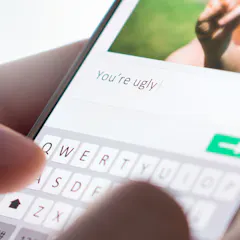
Some people still think “trolling” refers to harmless fun. If we want to reduce abusive online behaviour, let’s start by getting our definitions right.
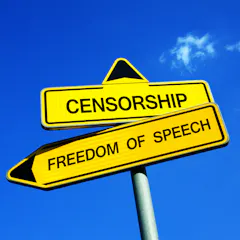
The borderless nature of the internet makes it hard to pull the plug on social media talk that crosses the line.
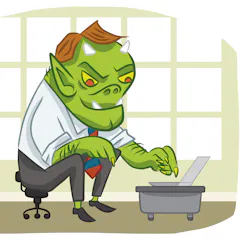
Some behaviors might help tell propaganda-spewing trolls apart from regular internet users, but the main protection is for people to think more critically about online information.

A lot of attention has been focused on Russia’s efforts to influence American politics, but Australia has also been a target – and continues to be a target – of covert foreign influence.

After following trails and speaking to a former professional troll, researchers have uncovered the tricks.

As Brazil’s black women become more conspicuous and powerful, they are bullied and threatened in social media’s modern-day pillory.

Cybersecurity experts in the US knew about Russian intelligence agencies’ activities, but may not have had any idea how comprehensive and integrated they were – until now.
Trust is the keystone of the entire Internet system: without it more connection and therefore more commerce. How to restore it?
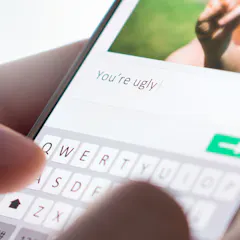
Eliminating anonymity is often touted as a solution to hostile online behaviour, but research shows that agreeable people who are more likely to leave positive comments prefer to do it anonymously.
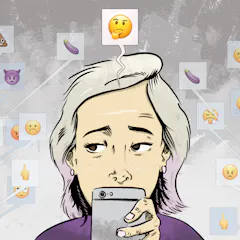
The online abuse of women by men is underpinned by the same gender norms and power structures as rape and sexual assault.
Top contributors
-

Associate Professor, Federation University Australia
-
Lecturer in Media and Communications, The University of Melbourne
-
Senior Lecturer in Forensic Linguistics, Lancaster University
-
Doctoral researcher investigating governance of social media platforms, Queensland University of Technology
-
Senior Lecturer in Law, University of Canterbury
-
Assistant Professor of Computer Science, West Virginia University
-
Senior Lecturer, Journalism and Digital Communication, University of Lancashire
-
Emeritus Professor of Cultural Research, Institute for Culture and Society, Western Sydney University
-
Lecturer in Psychology, University of Bradford
-
Associate Professor of Communication Studies, Northeastern University
-
Cherokee Nation citizen, Professor of Critical Indigenous Studies and English, University of British Columbia
-
Assistant Professor of Information Science, Cornell University
-
Research Fellow in Informatics, University of Sussex
-
Associate Professor of Computer Science, Stanford University
-
Professor of Criminal Justice, Michigan State University