
Whether the public rallies to defend journalists can depend on whether audiences believe they deserve that support.
Articles on Online harassment
Displaying 1 - 20 of 54 articles

If Canada wants to get ahead of the next health crisis, it needs to shield its scientists and researchers from online abuse.
A new survey reveals that almost a third of youth have been exposed to technology-facilitated sexual violence. Better protective and educational measures are needed.
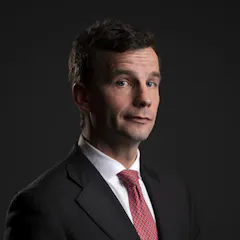
NZ Deputy Prime Minister David Seymour says his Victim of the Day posts are ‘a bit playful’. Yet not so long ago, he was demanding apologies for similar ‘jokes’.
Online harassment of journalists is becoming a serious problem in an age of social media.

The ban will affect platforms such as Facebook, Instagram, TikTok and Snapchat. But the bill is vague about how exactly these platforms must comply.

Our research found high rates of tech-based abuse – so our team is designing a new AI tool to detect and document toxic comments.

One in seven Australians say they have engaged in tech-based workplace harassment – and it’s often designed to offend, humiliate and distress the victim.
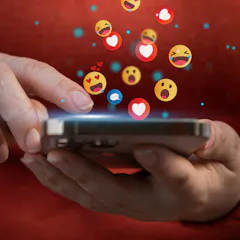
Hate is for the haters. Much of the thrill of posting toxic messages can come from the attention and social approval a poster gets from like-minded people.
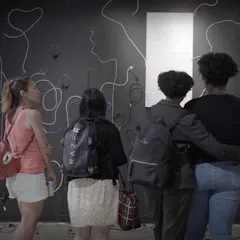
To inform university responses to online harassment affecting graduate students, artist-researchers created original artworks in response to interviews with their peers who experienced online hate.

Our online data is inevitably intertwined with the data of others. Current protections are ill-equipped to address this reality and manage the far-ranging impacts of data breaches.

Inaction on gendered abuse is making it an even more effective tool for discouraging women from taking public office.
New approaches are needed to address the scope of abuse young people can experience when online.
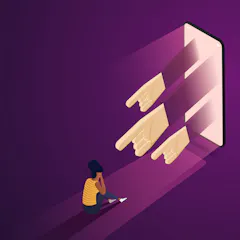
Women need better protection from online hate and misogyny, both while using social media and when working for technology companies.
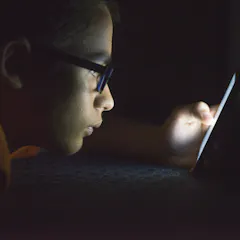
Depression and anxiety often follow when teenagers see or experience racial hostilities online.

One in 14 Premier League footballers receives online abuse every day.
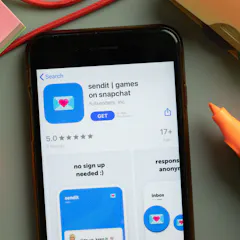
Anyone who has trawled through an internet forum will have seen how anonymity can change people. What happens when young people are thrown into the mix?

How we get the balance right between using social media to hold people to account versus the risk of invading people’s privacy depends on the context, of course, and is ultimately about power.

Elon Musk’s attempt to take over Twitter uses free speech as the motivation, but research shows that unregulated online spaces result in increased harassment for marginalized users.
We all have a role to play to address hostility online.
Top contributors
-

Professor of Family and Sexual Violence, RMIT University
-
Professor of Criminology, Monash University
-
Professor of Global & Language Studies, RMIT University
-
Reader in Psychology, Cyberpsychology Research Network Co-Director and ADM Forensic Editor, University of Huddersfield
-
Doctoral researcher investigating governance of social media platforms, Queensland University of Technology
-
Postdoctoral fellow, Sociology, Western University
-
PhD student, Sociology, Western University
-
Lecturer in Law, Keele University
-
Associate Professor of Interdisciplinary Studies, Royal Roads University
-
Associate Professor, School of Arts and Media, UNSW
-
Assistant Professor of Health Studies, Texas Woman's University
-
Lecturer in Criminology, University of Hertfordshire
-
Director of the Information Integrity Initiative, a project of TheNerve/Professor of Journalism, Chair of the Centre for Journalism and Democracy, City St George's, University of London
-
Lecturer in Media and Communications, The University of Melbourne
-
Senior Lecturer in Forensic Linguistics, Lancaster University